For an older adult, being taken to a doctor’s office may not be as simple as it sounds. They might require assistance getting out of the house, into a vehicle, through a medical facility, or to the pharmacy afterward.
Hence, senior transportation for Queens County families must be more than just transportation. The advantages of good support include helping older people to be part of the health care system and everyday life while also alleviating the transport aspect of family support.
Why Transportation Becomes a Bigger Issue With Age
As of July 1, 2025, the estimated population of Queens County was 2,358,182 people, with 18.4% of the population aged 65 and up. That equates to approximately 434,000 residents being 65 years and older, as estimated by the county.
A fraction of seniors become unable to drive. Some drive locally but don’t use the highways, night driving, or areas they don’t know. Getting in and out of a car or truck, vision changes, mobility restrictions, or fatigue can also make everyday trips more difficult.
When multiple appointments must be made in one day, transportation barriers become more apparent, for example, making a doctor’s appointment, picking up prescriptions, and running errands.
What Senior Transportation Support Can Include
Senior transportation isn’t always about getting someone to drive you to and from your appointments. Support may be in the form of:
- Planning transportation around medical appointments and daily routines
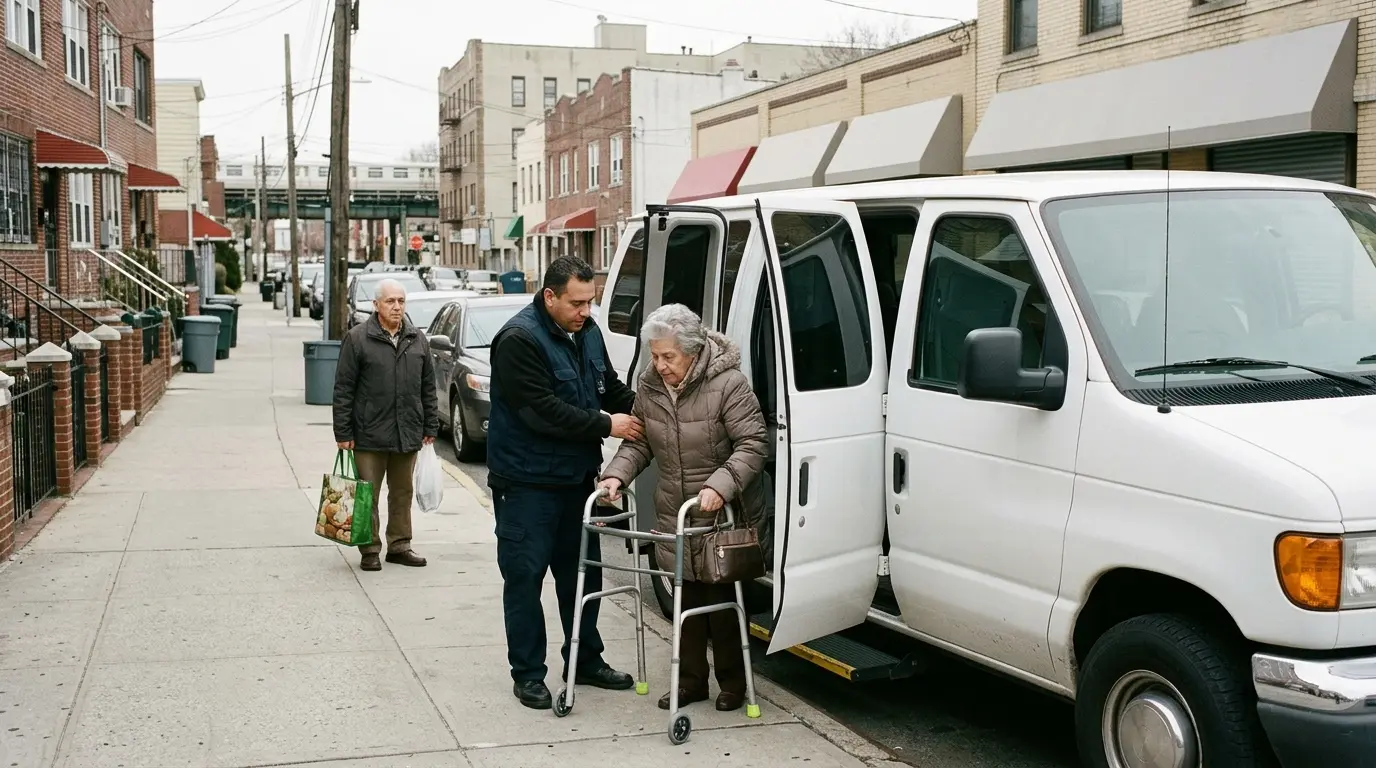
- Helping a senior get to and from the vehicle safely
- Providing walking assistance when appropriate
- Escorting the person into a doctor’s office or other destination
- Stopping at a pharmacy or grocery store as part of planned errands
- Helping family members coordinate transportation around a care plan
Someone who walks independently may only need a dependable ride. Another person might need assistance to exit the vehicle or walk through an entrance.
Medical Appointments Need More Than a Ride
One of the most obvious reasons families use transportation services for the elderly in Queens, NY, is to make doctor appointments. If transportation is an issue and the appointment is missed, a disruption to ongoing care and another scheduling issue can arise.
NYC Aging offers transportation for people who are age 60 and older and have no access to transportation or are unable to use public transportation. The program will schedule key medical and social service visits. NYC Aging states that its transportation program makes over 250,000 one-way trips annually throughout NYC.
For those who have disabilities that make it impossible to use regular public transportation, another option is Access-A-Ride. In 2026, the Access-A-Ride fare is $3.00 per trip. The MTA Reduced-Fare program is also available for seniors aged 65 and older to ride the subway or local bus.
These options do not all provide the same support. Families should consider whether the senior needs transportation only or also needs an escort or walking assistance.
Errands Matter Too
Daily errands have an impact on the independence of senior citizens, too. A senior who has a limited mobility range may start to ask their family members to do all their tasks.
Senior errand assistance Queens County may help with:
- Grocery shopping
- Prescription pickup
- Basic household errands
- Visits to community programs/senior centers
- Social outings
NYC 311 notes that some participating Older Adult Centers offer Market Ride, a free bus service to major supermarkets for members age 60 and older. Families must check the availability of the program before assuming it is available at a center. For some older adults, transportation is best when part of a comprehensive care plan that provides for other services, such as appointment assistance or errands.
How Transportation Support Helps Family Caregivers
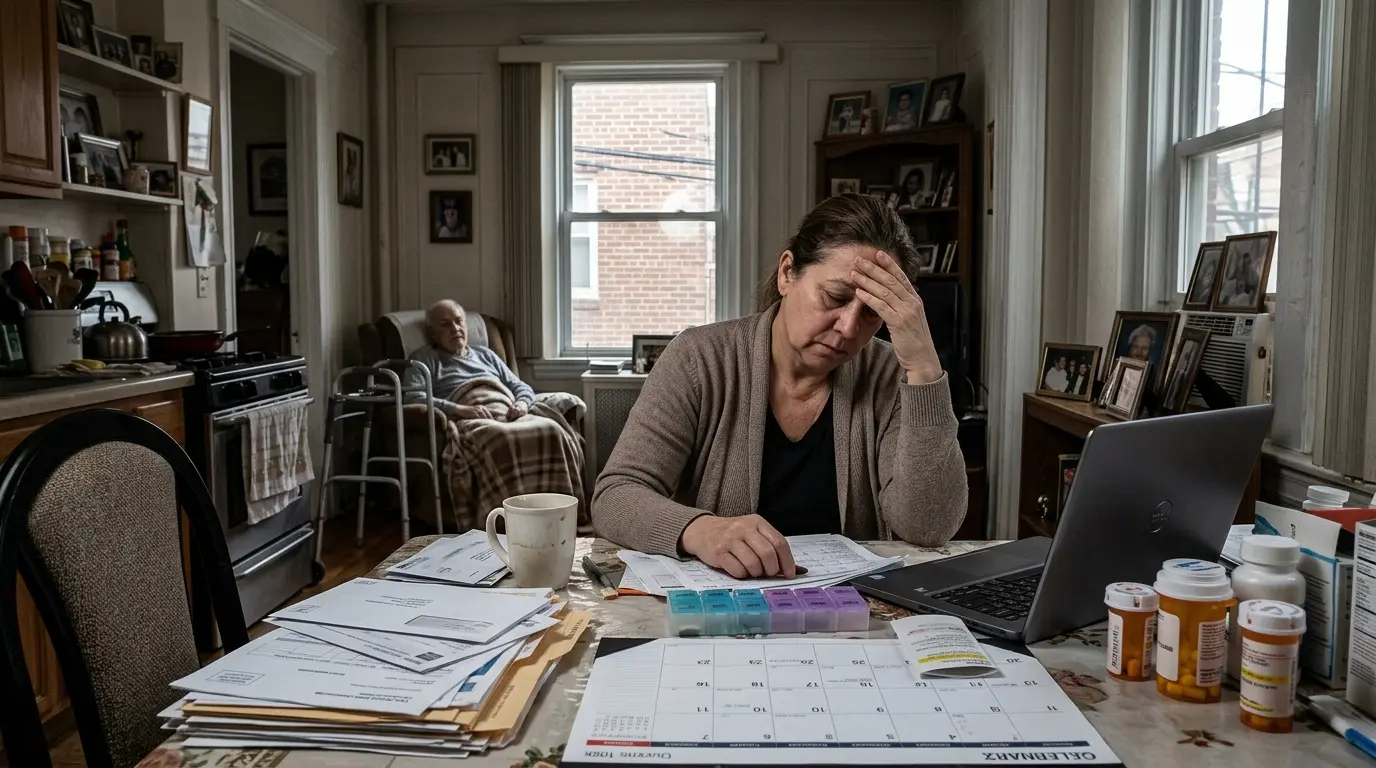
Transportation often becomes an invisible part of caregiving. A relative may spend hours booking rides, confirming appointment details, waiting at the clinic, and organizing the journey home.
Reliable transportation support can reduce that work. Ask:
- Does the training of drivers include older driver training?
- Do background checks take place?
- Does the service provide an escort or walks for caregivers?
- Is it possible to have transportation coordinated around a care plan?
- What happens if an appointment runs late?
- Is the vehicle suitable for the senior’s mobility needs?
Some seniors might require wheelchair access to cars, while others may only require more time or physical assistance to get in and out.
Choosing the Right Ride for a Senior
There is no single best transportation option for every older adult in Queens. For someone who is mobile and comfortable travelling independently, public transport could be a good choice. Lower fares also make it affordable for eligible seniors.
For individuals who may have more mobility or coordination issues, community transportation, Access-A-Ride, private senior transportation, and home care transportation support may be more appropriate. It is important to match the ride with the needs of the senior during the journey.
For families considering home care transportation support, Precious Pearls Home Health Care can be part of that conversation when transportation needs overlap with broader daily assistance. The focus should remain on safe travel, dependable coordination, and helping the senior stay involved in normal life.
When making a travel reservation, record the destination, appointment time, pick-up location, mobility requirements, and whether someone needs to accompany the senior. Think of what goes on afterwards, such as walking into a building or picking up a prescription.
Frequently Asked Questions
What is the best transportation option for seniors in Queens?
This will depend on the mobility, destination, and assistance required. For independent senior citizens, public transit can be the solution, but for those who are not able to use regular transit comfortably, it may be a better choice for seniors to have a caregiver or use Access-A-Ride or community transportation.
Does Medicare pay for senior transportation?
Coverage depends on the transportation type and circumstances. Some Medicare Advantage plans may provide transportation assistance, which can come in different forms depending on the plan. Families should check the senior’s current plan directly instead of assuming that all medical rides are covered.
How much does senior transportation cost in Queens County?
It does not have a single senior transportation cost. Private services and home care transportation services may charge different rates, and public transportation services may offer discounted rates. The Access-A-Ride fare is $3.00 per ride in 2026, and the MTA offers discounted fares for people who are 65 and older.
Final Thoughts: Keeping Seniors Connected in Queens
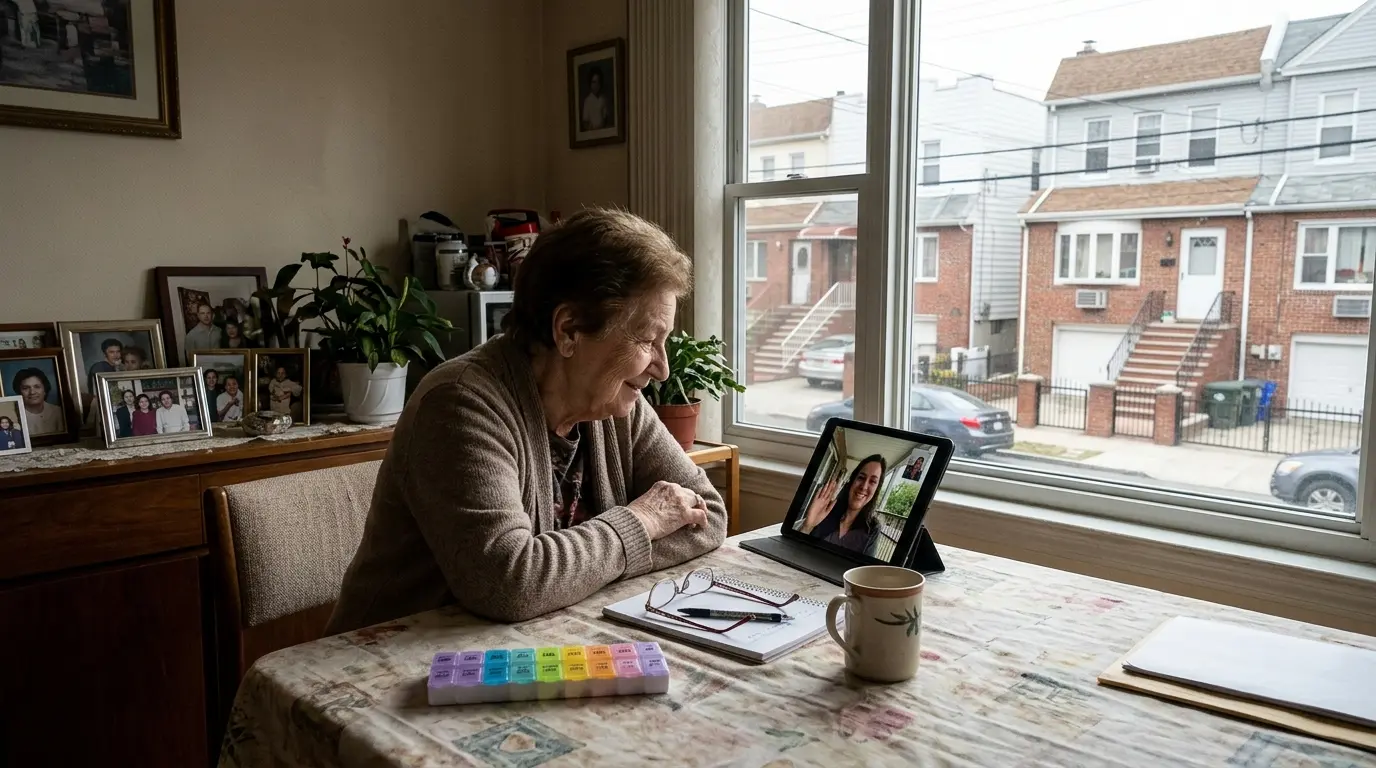
Transportation means more than just getting seniors from one place to another. It decides if they can see their doctor, pick up prescriptions, shop for groceries, join in community events, or stay close to the people around them.
Strong assistance makes caregiving easier, as well. Precious Pearls Home Health Care can help families look at transportation alongside other daily support needs, giving seniors a practical plan for getting where they need to go while maintaining as much independence as possible.