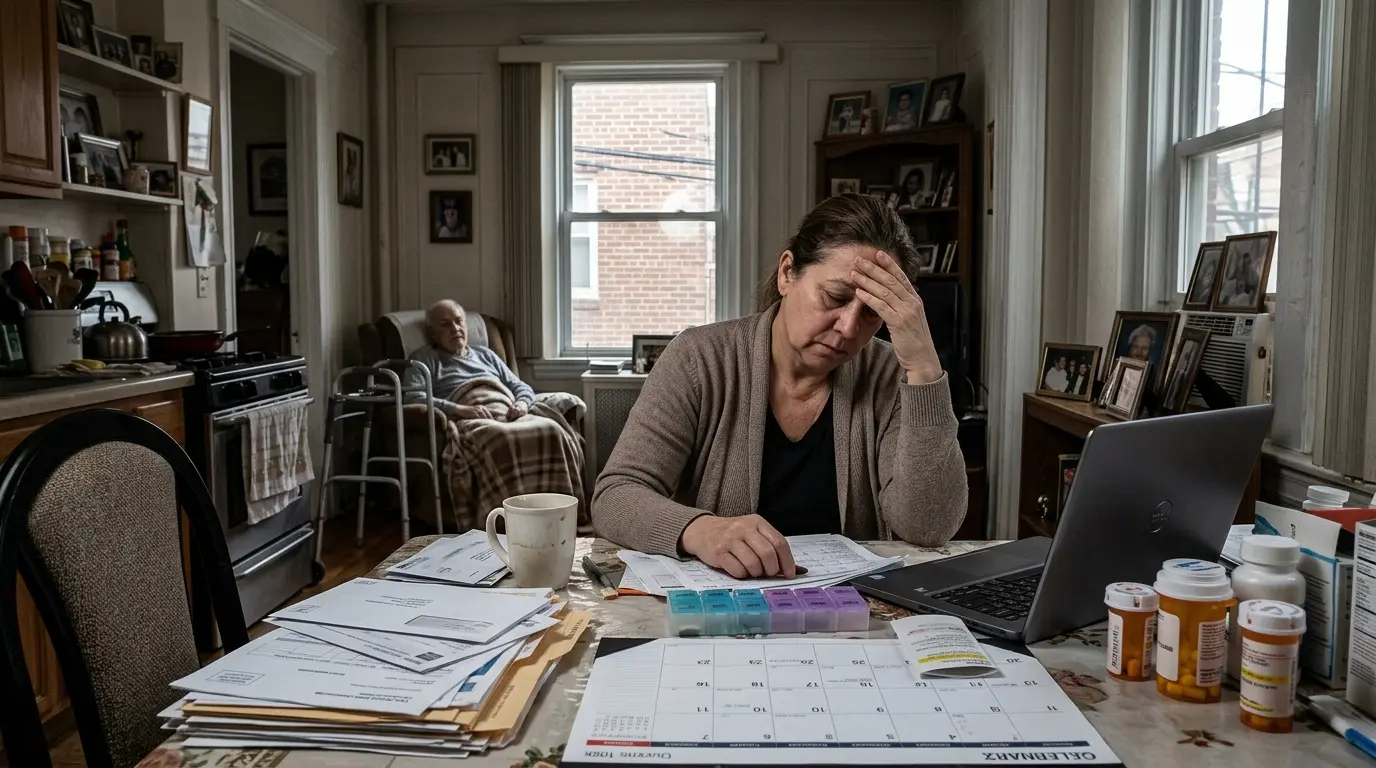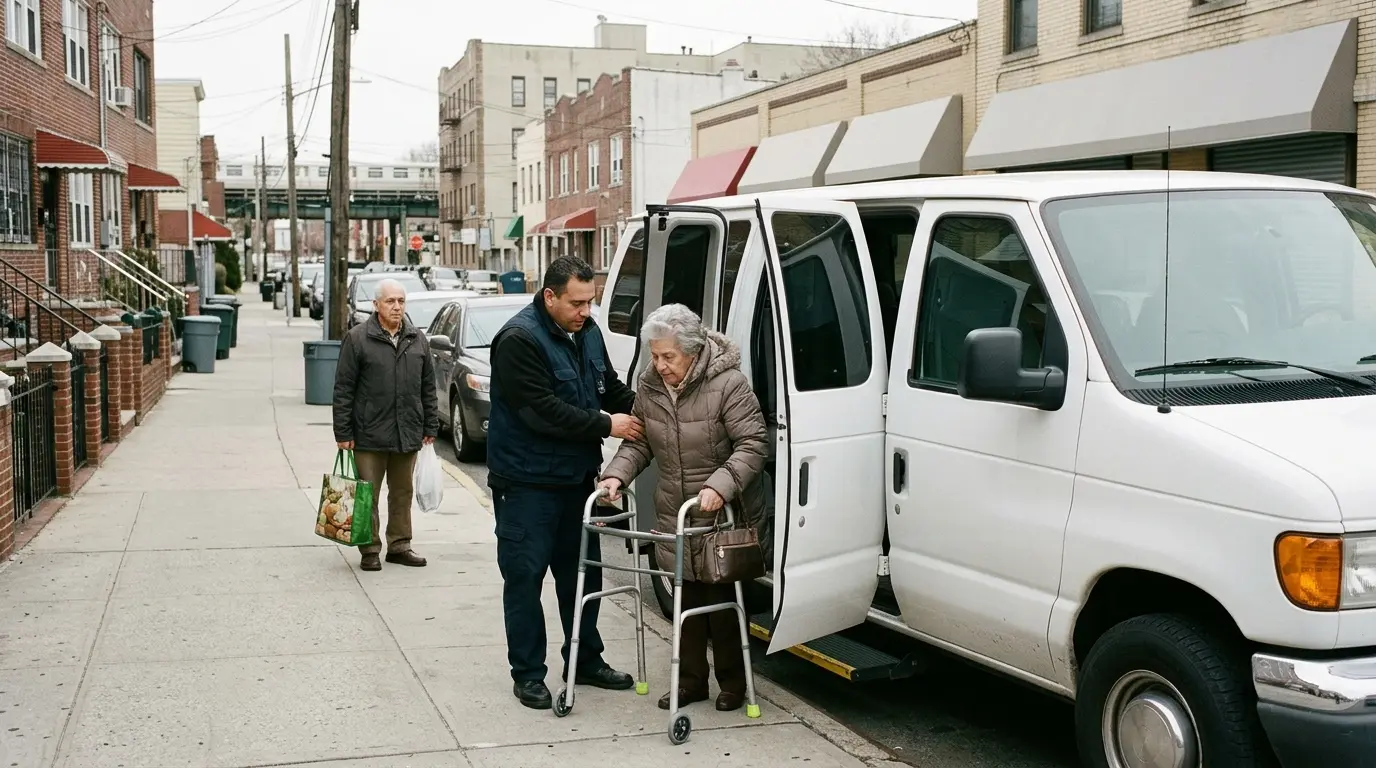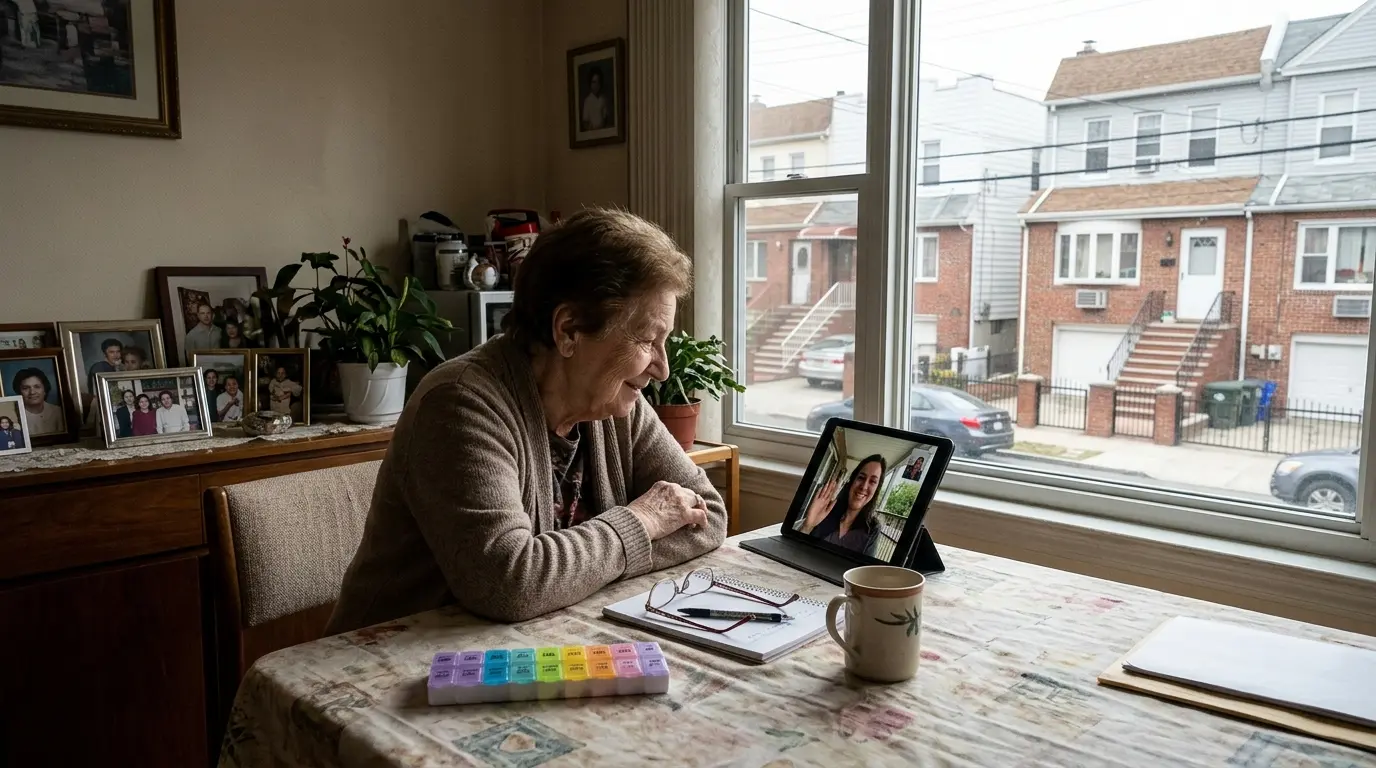
Nursing a parent successfully can be a more complex task for those who do not live close by. You may be trying to keep track of doctor visits, medications, meals, household needs, and sudden changes while relying on phone calls or occasional trips to Queens. Feeling responsible for everything is easy, but it is not easy to do everything on your own.
Long-distance caregiving does not mean you have to manage every part of your parent’s care personally. Instead, it is better to establish a local support network, keep up to date, and call in trusted help when daily requirements exceed what family members can deal with.
Start by Figuring Out What Your Parent Actually Needs
Before arranging long-term care or asking someone to visit every day, take a close look at your parent’s current routine. The aim is to differentiate between occasional and ongoing support needs.
Consider if your parent is experiencing difficulties with:
- Cooking, shopping for food
- Medications taken as prescribed
- Bathing, dressing or personal care
- Ensuring a secure and neat home.
- Getting to medical appointments
- Safety in the home.
- Organising chores and daily tasks
- Maintaining family and friends’ connections
There is a simple care list that can make things a lot easier to understand. Record what your parent can handle alone, what they can do only with some help, and what they cannot do at all. That list will provide you with something to discuss with family members and professional caregivers.
Distance Is Easier to Manage With a Clear Routine
You do not have to call your parent ten times a day in order to stay involved. It is more helpful to have a predictable communication schedule. For example, you may have a brief call in the morning, a video call a few times a week, and a longer call on the weekend. If a caregiver is visiting, decide how updates will be shared and what information you actually need.
Keep important details in one place, including:
| Information | What to Keep Track Of |
| Medical care | Doctor names, appointments, and upcoming visits |
| Medication | Current medicines and reminder schedule |
| Daily needs | Meals, personal care, mobility, and household tasks |
| Emergency planning | Local emergency contact and backup family member |
| Caregiver updates | Changes in routine, mood, appetite, or behavior |
| Family responsibilities | Who handles calls, appointments, errands, and decisions |
This prevents different family members from working with different information.
Build a Local Team Instead of Doing Everything Yourself
Long-distance caregiving becomes difficult when one person tries to be the entire care team from another state or another part of the country. Start identifying people who can help locally. This could be a family member, a trusted friend, neighbor, primary care physician, or professional care provider.
For more regular needs, home care services may provide support with daily routines while family members continue handling broader decisions and communication. The advantage is simple: your parent has someone nearby who can notice problems that a phone call may miss.
Queens Has a Large Older Adult Population
Planning for senior support is important to Queens County because of local demographics. According to the U.S. Census Bureau, the county’s population was an estimated 18.4% of its population age 65 or older as of July 1, 2025, or 2,358,182. This implies that a significant proportion of people is elderly.
Queens’s aging-services network is also part of a larger network in NYC. Today, NYC Aging maintains over 300 Older Adult Centers in the five boroughs, providing meals, activities, social services, health promotion, and other services to older adults (age 60 and above).
For families living far away, these local resources can be useful additions to a personal care plan. They do not replace individualized home care, but they can expand the support network around an older adult.
Know When Remote Care Is No Longer Enough
At first, a parent might only require a bit of support every now and then. However, their needs may shift over the years. If you see the same issues keep occurring, like taking medication or forgetting it, eating spoiled food, weight loss or gain, bills that are not paid, missing appointments, falling, poor personal care, or forgetfulness of familiar tasks, pay attention to these issues. When daily activities become difficult to manage independently, professional senior care services can provide additional support at home.
It is also important to consider changes in mood. Changes in a parent’s isolation, anxiety, or irritability, or a decrease in interest in normal activities may be a sign that your parent needs more social or emotional support.
A pattern is more important than one bad day. If there are multiple concerns that continue to arise, then it may be a good time to re-evaluate the care arrangement.
Make Emergency Planning Part of the Care Plan
If you are far away, an emergency may be more stressful since you can not just drive over. Planning ahead will minimize the guesswork in a crisis. Ensure your parent has an emergency contact list and trusted people around them know how to contact you. Store important medical records and ensure that family members know who to call first.
Have a conversation with your parent about what they would want if they suddenly needed assistance at home, if they needed to be driven somewhere, or if they needed medical care. Having these conversations before an emergency is much easier than trying to make decisions under pressure.
| Helpful Note: NYC Aging’s Connect can help older adults and families locate local services and resources. The current number is 212-AGING-NYC (212-244-6469), and families can also call 311 for assistance. |
Use Technology for Connection, Not Just Checking In
Technology is useful, but it should support personal contact rather than replace it. Video calls can give you a real-time look at how your parent is doing, and shared calendars can let everyone in the family know when appointments are. Medication reminder devices and emergency alert devices may also offer some assistance when needed.
The key is to select tools that your parent is comfortable with. There is no point in having a complicated system which nobody monitors, compared with a simple routine that everyone follows.
When Professional Home Care Becomes the Practical Choice
Sometimes, caring for an aging family member gets tough, especially when you live far away or have a busy job. Maybe you can not handle personal care and daily tasks on your own.
That is when professional home care steps in. It lets your loved one stay at home, surrounded by familiar things, while getting help nearby. Depending on the plan, they get support with personal care, meals, companionship, light chores, and whatever daily help they need.
Precious Pearls Home Health Care may be considered by Queens County families looking for professional support for an aging loved one while family caregivers remain involved from a distance.
A Better Way to Divide Family Responsibilities
Long-distance caregiving gets easier when everyone knows their role. One person might handle medical appointments, another may manage paperwork, and a nearby family member may check on the home. Do not assume everyone knows what needs to be done. Write down who’s doing what and update the plan whenever your parent’s needs change.
A useful family care plan should answer three basic questions:
- Who handles each regular task?
- Who should be contacted when something changes?
- What happens if the primary caregiver is unavailable?
This basic setup keeps things clear and eases the burden on any one person.
Frequently Asked Questions
How can I care for an elderly parent from another state?
First, figure out what they need day-to-day and find someone local who can lend a hand. Stay connected with regular calls, share medical info, work with a home care professional, and have an emergency plan, ensuring you stay updated if you are unable to visit regularly.
When should I consider professional home care?
Consult the experts when your parent needs consistent help bathing, meals, getting around, company, remembering medications, or handling the house, and you can not handle everything on your own.
How often should I check on an aging parent?
There is no universal schedule. It all depends on their health, how independent they are, and their living situation. Someone with new or changing health issues might need more check-ins or visits.
What should I include in a long-distance caregiving plan?
You should include doctor and pharmacy contacts, medications, emergency numbers, appointment details, daily routines, family roles, and details on local helpers so that if you are unavailable, someone else can step in.
Final Thoughts: Making Long-Distance Care More Manageable
You don’t need to be there every single day to make a difference. The trick is to build a reliable system around your loved one, keep yourself informed, and be aware of when it’s time for extra support.
For families dealing with long-distance caregiving in Queens County, regular communication, local resources, professional care, and solid emergency planning help keep everything running smoothly. Precious Pearls Home Health Care can be part of that local support system when an aging loved one needs dependable help at home.