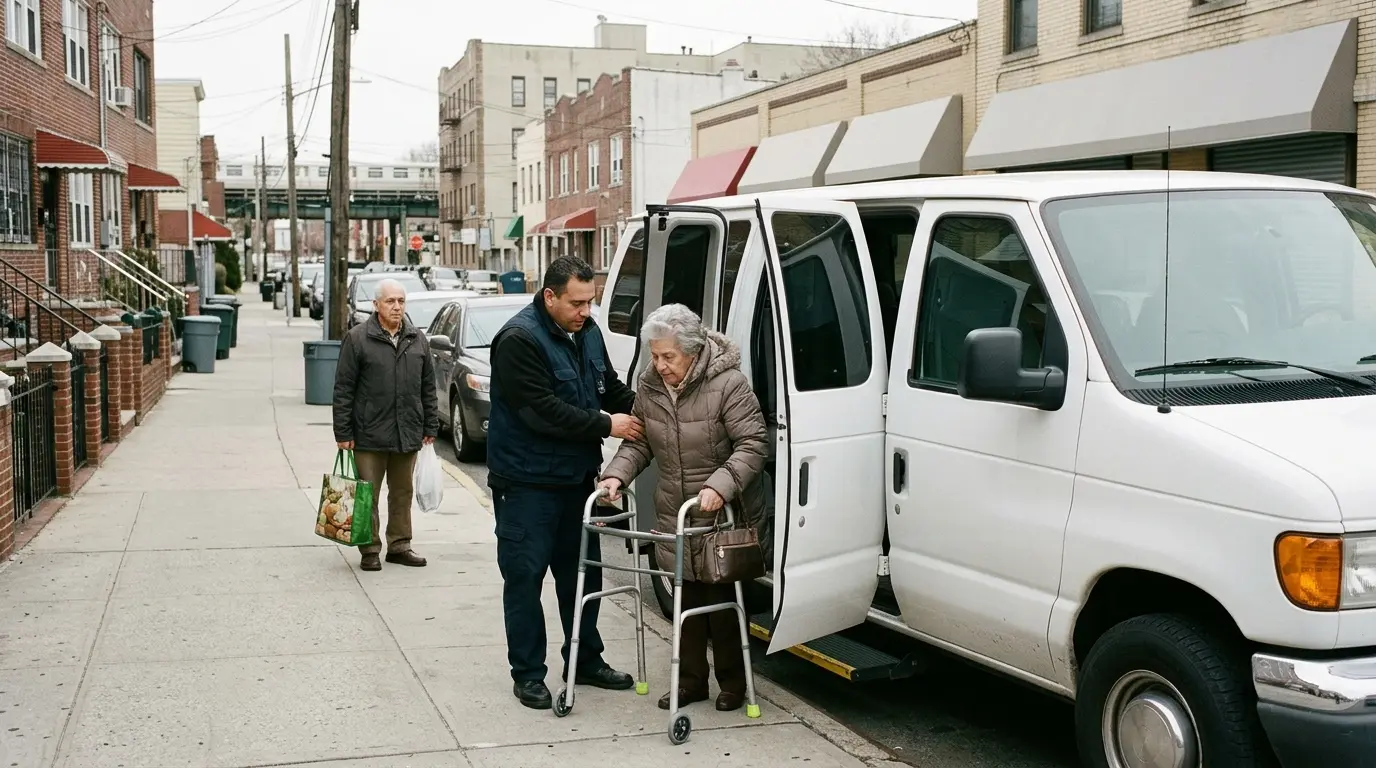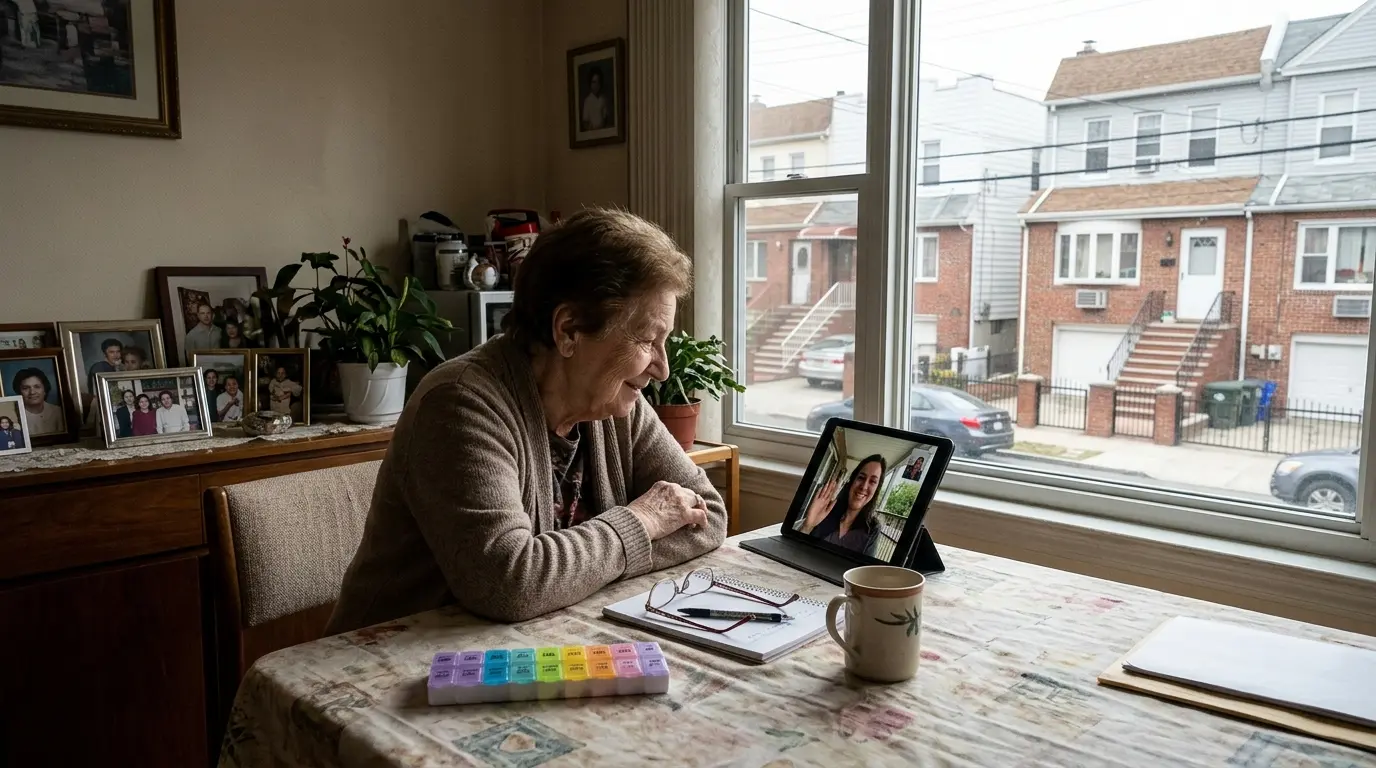
One simple act of caring for an aging parent can be as simple as taking them to the doctor or picking up groceries. But as time goes on, that support can escalate to cooking, taking medications, helping with hygiene, making appointments, being near just in case.
That is when caregiver stress can become difficult to ignore. A family member may still be handling everything, but sleep, work, relationships, and personal time start getting pushed aside. For families dealing with caregiver burnout in Queens County, respite support can provide a practical way to share some of that responsibility.
The Queens Caregiving Picture Is Larger Than It May Seem
As of July 1, 2025, there were an estimated 2,358,182 people in Queens County. Roughly 434,000 older people (65 years and older) made up 18.4% of the population. While not every older person requires help every day, the statistics reveal that families will need to consider how to care for the older person at some point.
The wider New York City picture is significant as well. NYC Aging now estimates that approximately 1.3 million family caregivers provide care for a loved one with aging, illness, disability, or other needs. They may be tasked with providing daily meals, medications, medical appointments, activities, and emotional support.
Many of these individuals don’t consider themselves to be caregivers. They are just providing what a parent, spouse, child, sibling, or close relative requires.
A Quick Look at Stress vs. Possible Burnout
Feeling tired after a difficult week does not automatically mean someone is experiencing burnout. It becomes a concern when the fatigue is ongoing and begins to impact the caregiver’s functioning.
| Temporary caregiver stress | Possible signs of burnout |
| Feeling tired after a busy day | Feeling exhausted most of the time |
| Wanting an occasional evening off | Feeling there is never time for yourself |
| Frustration during difficult moments | Frequent anger, guilt, or emotional exhaustion |
| Missing a social activity occasionally | Pulling away from friends and normal interests |
| Needing help with one task | Feeling unable to manage caregiving responsibilities at all |
The pattern matters more than one bad day. If it persists due to physical tiredness, lack of sleep, emotional stress, or ongoing anxiety, it may be time to consider further support.
What Does Respite Care Actually Change?
Respite care provides a temporary respite for a family caregiver while other people are responsible for providing appropriate care for the older individual. It does not mean the family is stepping away permanently.
The break might look very ordinary.
A caregiver could use those hours to:
- Go to their own medical appointment
- Work a full shift without worrying about the person at home
- Grocery shop or handle household responsibilities
- Sleep after several difficult nights
- Spend time with children or a spouse
- Take a few hours away without feeling that everything will fall apart
NYC Aging offers respite care as a caregiver service, and defines it as temporary care and relief. Additionally, its programs provide a link to counselling, training, support groups, long-term care planning, and referrals for caregivers.
Picture a Common Queens Family Situation
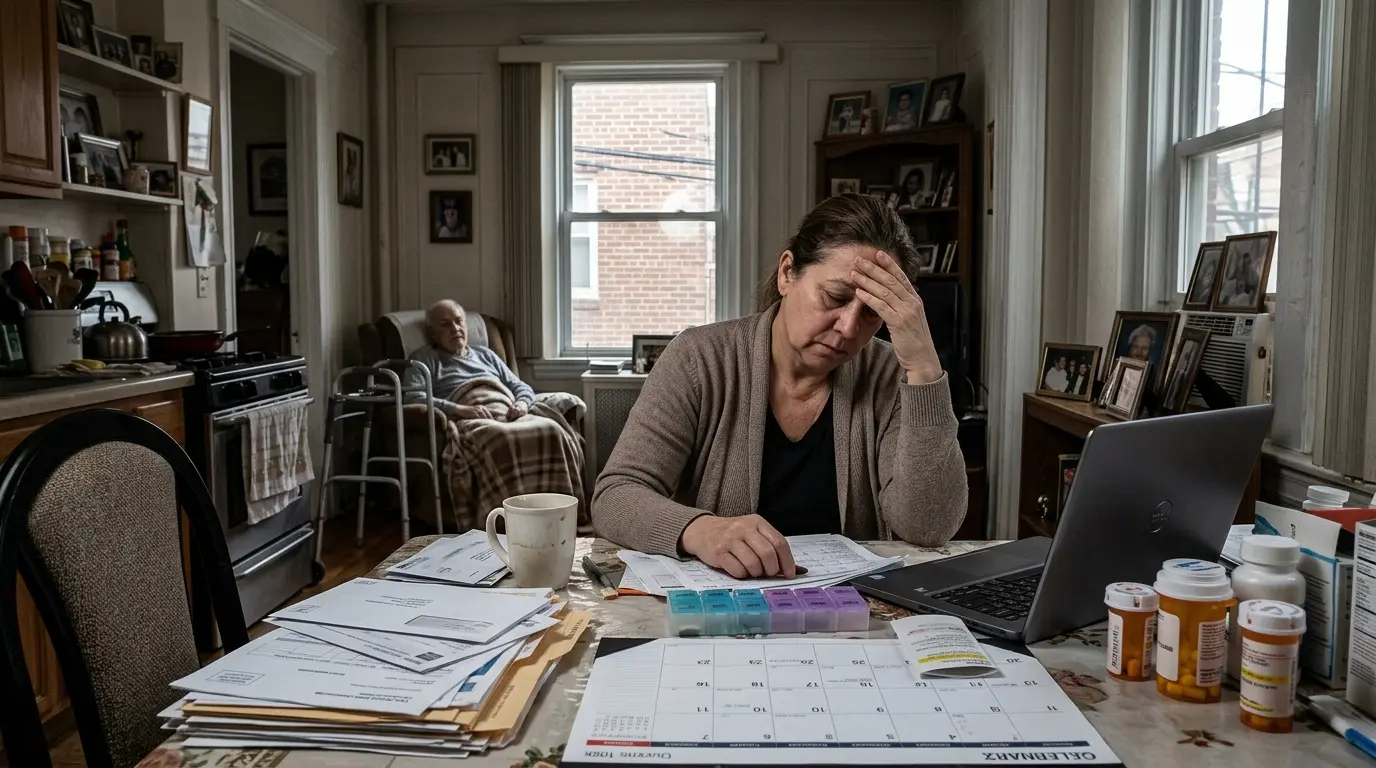
Consider a daughter caring for her mother at home in Queens. Her mom requires assistance with dressing in the morning, cooking, and navigating the house safely. The daughter takes the job on weekdays, runs her own home, and arranges medical appointments on her free days.
At first, she manages.
After that, she begins to have trouble sleeping. She can’t go out and meet friends; she feels guilty leaving her mother. She misses her doctor’s appointment twice. Even grocery shopping is something she has to fit into an already jam-packed schedule. Nothing dramatic happened. The workload simply became too large for one person.
That is often the point where temporary care support deserves consideration.
Respite Does Not Have to Mean Giving Up Control
Some families hesitate because they worry that another caregiver will not understand the older adult’s routines. That concern is reasonable. A good starting point is to write down the practical details before support begins:
Care plan checklist
- Normal meal and sleep schedule
- Personal care needs
- Mobility concerns
- Medication routines and reminders
- Important phone numbers
- Doctor and pharmacy information
- Preferred activities
- Household safety concerns
- What the caregiver should do if a problem occurs
This helps the temporary caregiver have a better understanding of the normal day in the person’s life. It also provides the family the opportunity to determine what responsibilities should be taken.
When Should a Family Start Looking for Help?
You do not have to wait until someone says, “I cannot do this anymore.” Instead, it’s a good practice to observe changes in behavior, health, or daily habits of the caregiver.
Consider discussing respite support when:
- Sleep is regularly disrupted.
- Work or family responsibilities are being neglected.
- The caregiver rarely gets personal time.
- Physical tasks are becoming difficult or unsafe.
- The caregiver feels guilty whenever they leave the older adult.
- Arguments or resentment are becoming more common.
- There is no backup person when the primary caregiver becomes sick.
Short-term home care may be appropriate if the family only requires coverage for certain hours and does not wish to change the older person’s home placement. Precious Pearls Home Health Care may be an option for families exploring in-home support that fits around an existing care routine.
Queens Families Have Local Resources to Explore
Families do not have to research every service alone. NYC Aging’s Aging Connect provides information and referrals for older adults and families. The current number is 212-244-6469, or families can call 311 outside its listed operating hours.
NY Connects is another useful starting point. The Queens office is operated by SelfHelp, and the listed phone number is 718-559-4400. NY Connects helps caregivers connect with long-term care services, support groups, home care, and other resources.
There is also a current NYC Aging service finder where families can search specifically for caregiver counseling, individual respite, group respite, home care, caregiver support groups, and other services available in Queens.
What to Ask Before Arranging Respite Care
Do not choose a service based only on whether someone is available on the requested day. Ask questions that relate directly to the older adult’s needs.
Before scheduling, ask:
- What type of personal care is included?
- How are caregiver qualifications verified?
- Can the schedule be adjusted when family needs change?
- Can the caregiver assist with mobility or daily routines?
- How is the care plan communicated?
- What happens if the assigned caregiver is unavailable?
- Are there minimum hours or scheduling requirements?
These answers will tell you if you’re looking at a service that truly fits your situation, not just what’s most convenient.
Frequently Asked Questions
What signs suggest that caregiving is causing burnout?
Pay attention if you notice a constant pattern of emotional exhaustion, trouble sleeping, physical fatigue, irritability, feeling alone, or just being overwhelmed. Burnout becomes a real problem when it starts affecting your own health, your job, relationships, or your capacity to manage everyday tasks.
How long can respite care last?
Respite is short-term, but the timing really depends on the service and your family’s situation. It could be just a few hours a week, planned daytime help, or another type of temporary coverage. If you’re using public programs, there might be specific limits and eligibility rules.
Do older adults need a serious illness to receive respite care?
No. Respite makes sense any time a family caregiver needs a break, and the older adult still needs support. The level of help should fit the person’s daily needs, how mobile or safe they are, and their overall care plan.
Where can Queens caregivers find respite support?
NYC Aging provides caregiver information, referrals, support groups, counseling, and respite resources. Families can call Aging Connect at 212-244-6469 or contact Queens NY Connects at 718-559-4400.
Final Thoughts: Making Caregiving Sustainable for the Family
Family caregiving works best when no single person is expected to do everything forever. Even a few hours of dependable help lets a worn-out caregiver sleep, work, manage their own stuff, or just get away for a bit without the stress of what’s happening at home.
Precious Pearls Home Health Care can be considered when a family is exploring temporary in-home assistance as part of a broader care plan. Needing respite does not mean a family has let anyone down. Sometimes, sharing the workload is what allows everyone to keep moving forward.