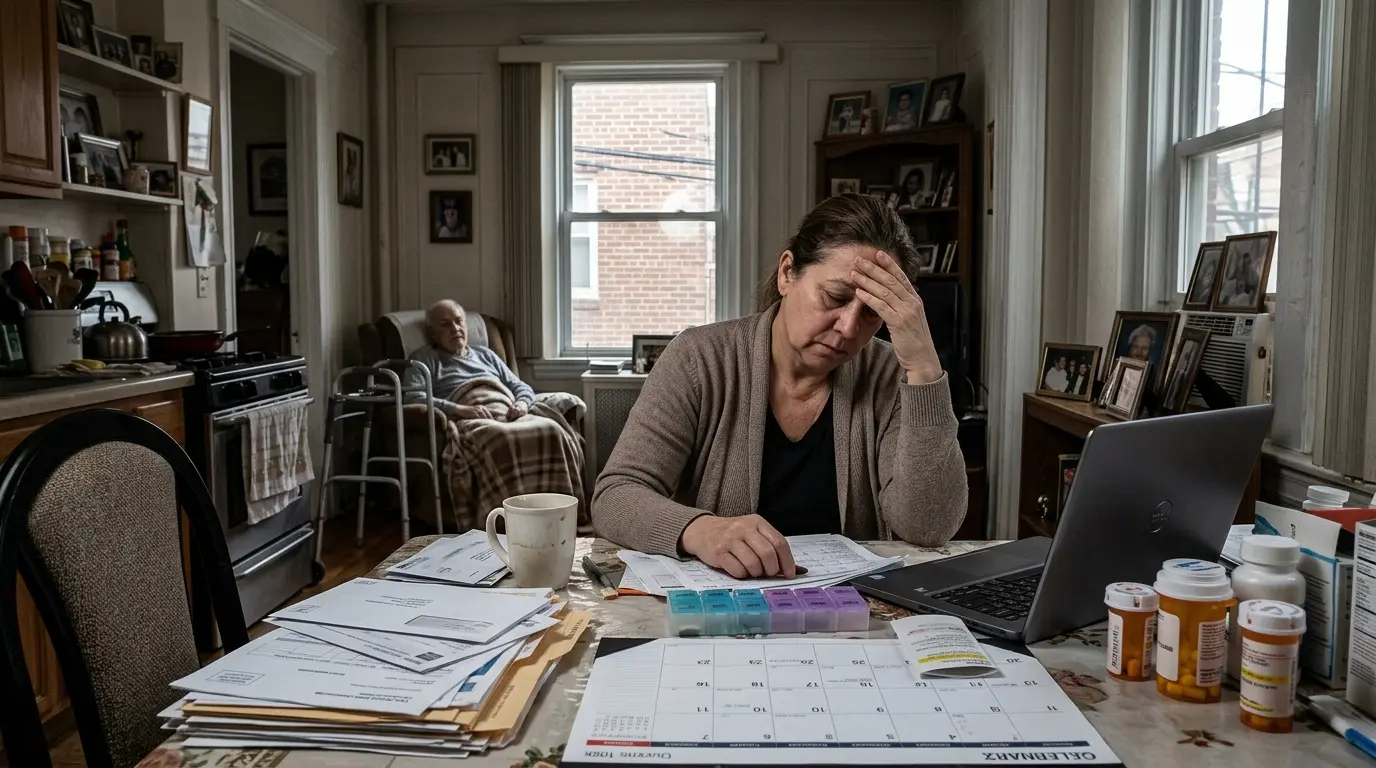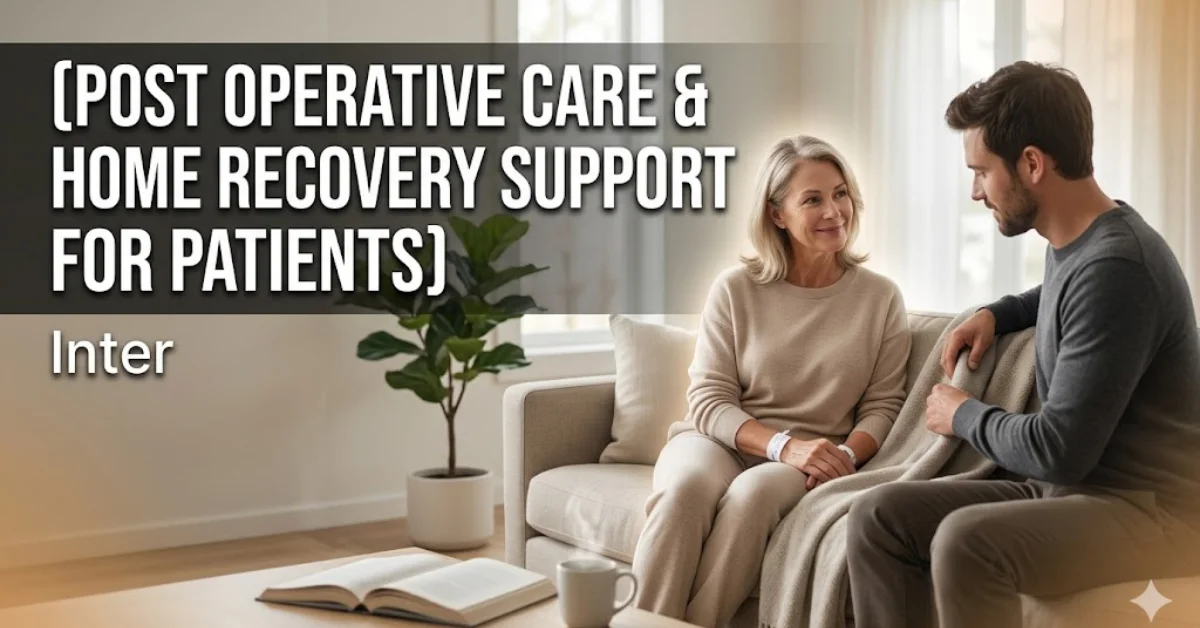
Recovering after surgery is not always easy. Many patients feel weak, tired, and dependent on others during this time. Pain, limited movement, and strict medication schedules can make daily life stressful. Families also feel pressure because they are suddenly responsible for medical care without proper training.
This is why post operative care at home has become so important today. Good post-surgery care helps patients heal safely in a familiar environment while still getting proper medical attention. With the right recovery support, patients can avoid complications and regain strength faster.
Modern healthcare now focuses more on home recovery care and patient care at home, so patients can heal with comfort, dignity, and safety instead of staying longer in the hospital.
Why Home Recovery Support Is Important After Surgery
After discharge from the hospital, patients still need close care. Many problems can happen at home if care is not proper, such as infection, pain increase, or slow healing.
A structured system of postoperative care helps patients stay safe and recover better. It also reduces stress for families and prevents unnecessary hospital visits.
Good home recovery care provides:
- Regular wound cleaning and dressing
- Timely medicines without missing doses
- Safe pain control methods
- Daily health monitoring
When patients receive proper patient care at home, they feel more relaxed and recover in a better emotional state.
Key Parts of Effective Home Recovery Care
1. Personalized Care Plan for Each Patient
Every patient heals differently. That is why caregivers first create a care plan based on surgery type, age, health condition, and home environment.
A proper care plan includes:
- Mobility level and movement limits
- Nutrition needs for faster healing
- Daily activity support
- Safety risks at home
This type of planning makes post-surgery care more effective and safe.
2. Medicine and Pain Control Management
After surgery, patients must take medicines on time. Missing doses or taking the wrong medicine can slow recovery or cause problems.
Trained caregivers help with:
- Medicine reminders and safe administration
- Pain level tracking throughout the day
- Reporting changes to doctors
- Avoiding medicine mistakes
This improves advanced home care and keeps recovery smooth and safe.
3. Wound Care and Infection Control
Wound care is one of the most important parts of postoperative care. If wounds are not cleaned properly, infection can develop quickly.
Caregivers ensure:
- Clean and safe dressing changes
- Regular wound checks
- Early signs of infection detection
- Hygiene support for patients and family
Proper infection control leads to faster healing and fewer complications.
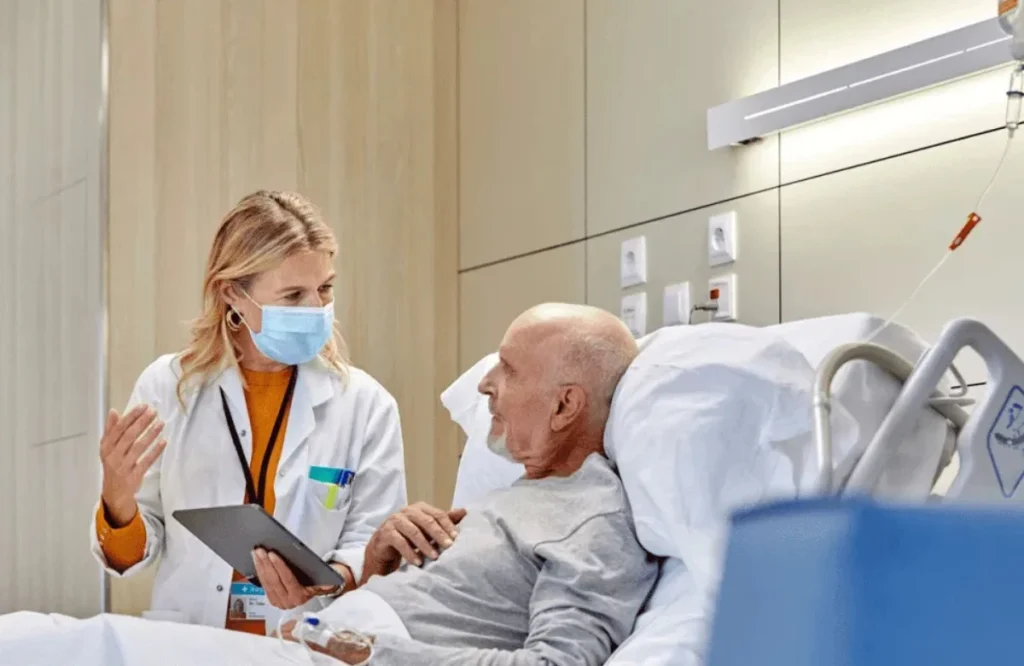
Role of Professional Caregivers in Recovery
Trained caregivers play a big role in helping patients recover safely at home. Services like those provided by Precious Pearls Home Care give patients skilled support during recovery.
Caregivers help with:
- Patient monitoring at home, including vital signs
- Help with walking and safe movement
- Support for daily activities (bathing, eating, dressing)
- Emotional care and companionship
They also follow structured caregiver training programs to handle different recovery situations confidently.
This level of patient care at home reduces pressure on family members and improves recovery results.
Safety and Monitoring During Recovery
Fall Prevention and Home Safety
After surgery, patients can feel weak or dizzy. This increases the risk of falling. A safe home environment is very important for recovery.
Caregivers help by:
- Removing obstacles from walking paths
- Installing support bars in bathrooms
- Improving lighting in rooms
- Suggesting walking aids when needed
These steps improve safety during home recovery care.
Continuous Health Monitoring
Regular health checks help detect problems early. With patient monitoring at home, caregivers track:
- Blood pressure
- Heart rate
- Temperature
- Oxygen levels when needed
If anything looks abnormal, caregivers inform doctors immediately. This works like a hospital-at-home system and keeps patients safe.
Helping Patients Move and Recover Strength
Recovery is not only about wound healing. Patients must also regain strength and movement.
Caregivers support rehabilitation by:
- Helping with light exercises
- Assisting walking and movement
- Supporting physiotherapy routines
- Encouraging independence step by step
This improves mobility and reduces long-term weakness.

Care for Elderly and Special Patients
Older patients need more attention after surgery because healing is slower and risks are higher.
Cognitive and Emotional Support
Some elderly patients may feel confused or anxious. Caregivers use simple cognitive stimulation therapy (CST) techniques to keep the mind active and calm.
Daily Living Support
They also help with activities of daily living (ADLs) such as eating, bathing, and dressing.
Family Relief Through Respite Care
Families often get tired during long recovery periods. Respite care services coordination gives families short breaks while trained caregivers continue care.
Why Professional Home Care Is Better for Recovery
Choosing professional post-operative care at home gives many benefits:
- Faster recovery in a comfortable environment
- Fewer hospital readmissions
- Safe and correct medical care
- Less stress for family members
- Continuous health monitoring
With advanced home care, patients receive both medical support and emotional comfort at the same time.
Better Healing Starts With the Right Support
Recovery after surgery needs patience, care, and proper guidance. Without support, small problems can turn into serious complications.
With structured home recovery care, patients get the right balance of medical attention and personal comfort. Families also feel confident knowing their loved ones are safe.
Services like Precious Pearls Home Care provide complete support from wound care and medication management to mobility help and emotional care—so patients can recover safely at home.
Conclusion
For post-operative care at home that is safe, reliable, and professional, select the expertise that understands you. About Precious Pearls Home Care Trusted recovery assistance – committed to helping patients heal more quickly and comfortably within their homes.
Provide your dear ones with the care they deserve, provide excellent home recovery care focused on safety, comfort, and complete healing.
FAQs
Home Post-Operative Care?
It is wound treatment and individual care provided to patients after surgery at a location other than the hospital. It covers medications, wound repair, and healing assistance.
What is the importance of home recovery care?
It allows patients to heal in a comfortable environment while continuing to receive medical care and observation from a distance.
Can caregivers help after surgery with elderly patients?
Yes, skilled caregivers assist elderly patients with all required daily living activities, along with mobility & medicines & emotional care.
What is Home Patient Monitoring?
It involves monitoring of important parameters such as temperature, blood pressure, and heart rate to confirm the safety of recovery.
Should we consider professional home care better than just family care?
Yes, since trained caregivers ensure accuracy in medical interventions, reduce risks, and facilitate a speedier and safer recovery.