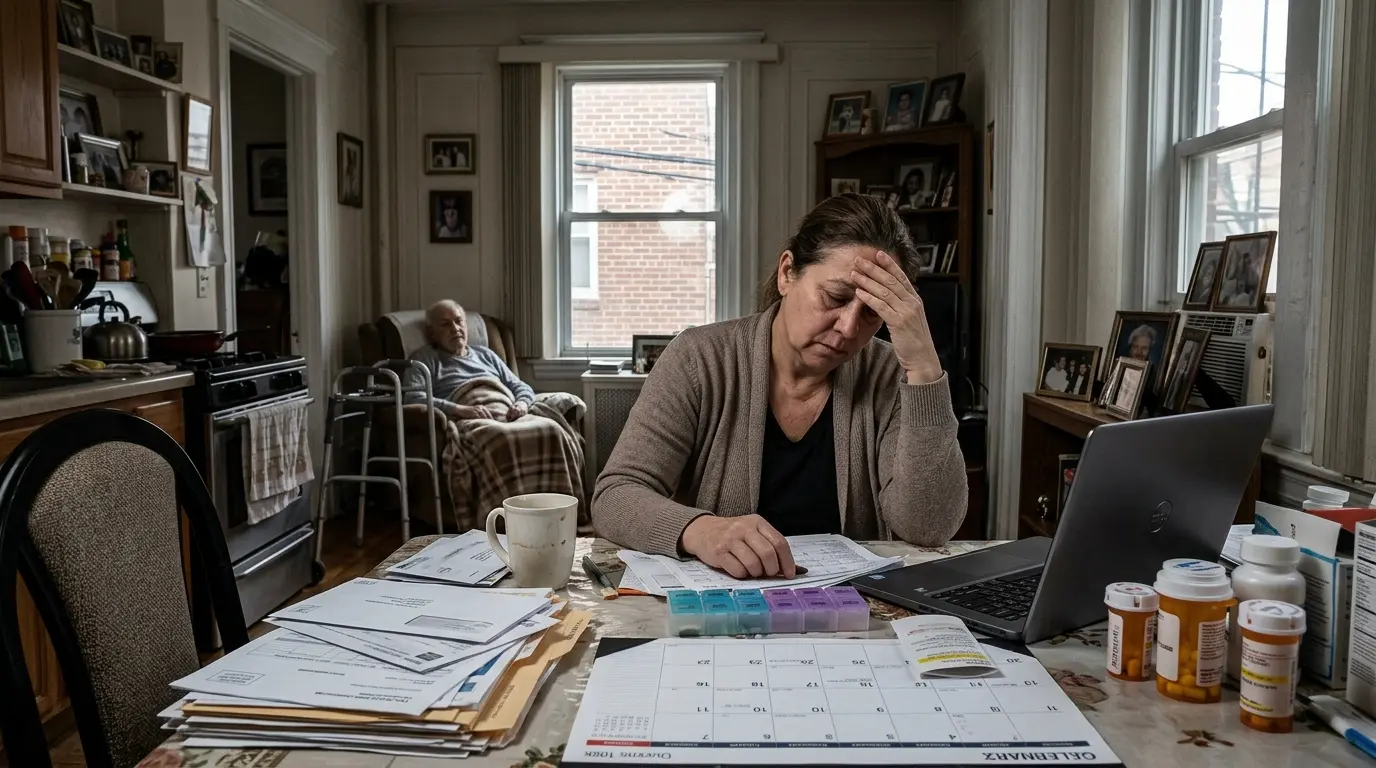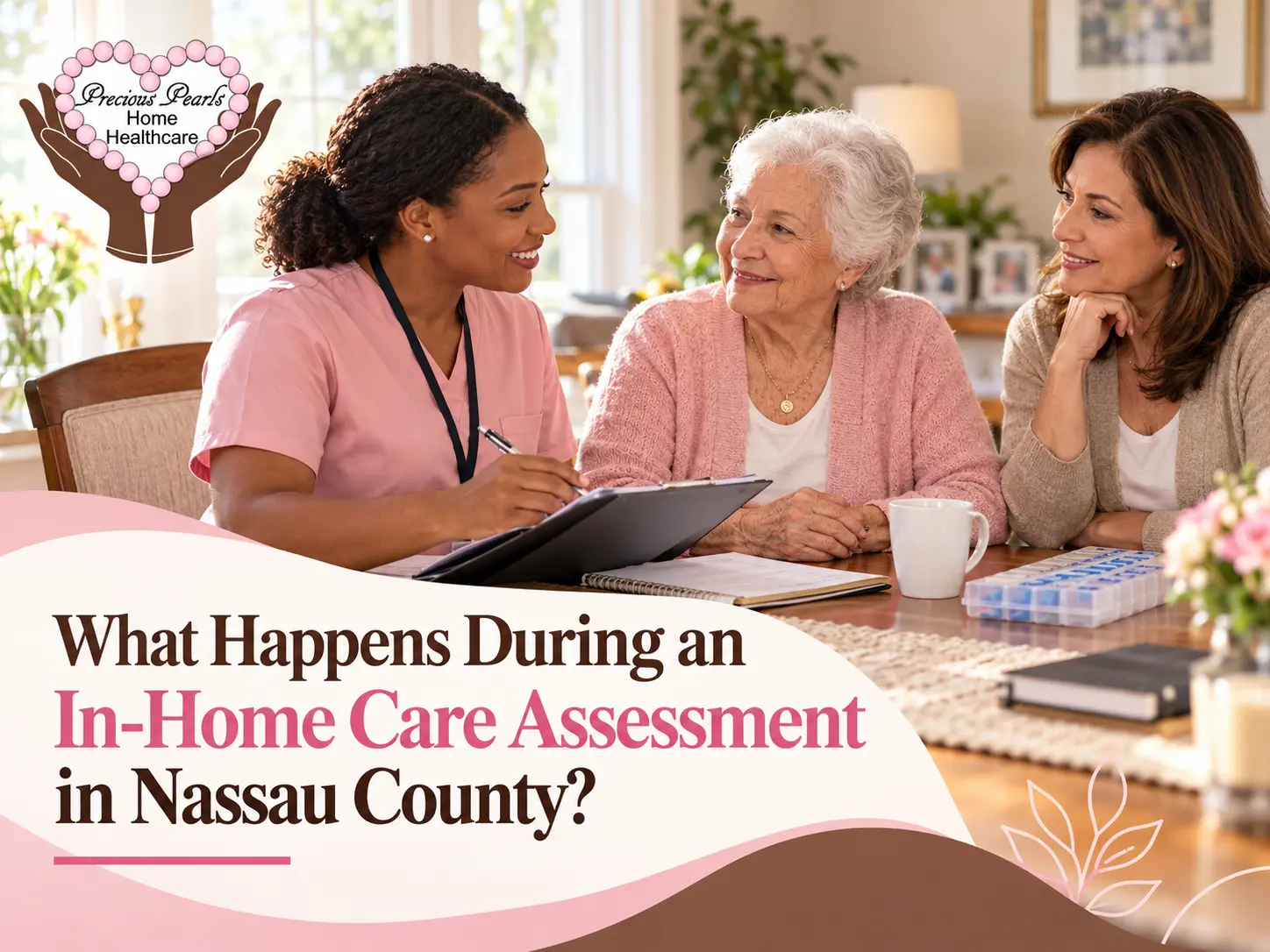
As an older family member starts requiring assistance with everyday activities, a family may be uncertain about the type of support that would help make life easier and safer. One way to determine the answer is to have an in-home care assessment; this involves examining the individual’s lifestyle, skills, and preferences, as well as any areas in which help is required.
For families arranging a home care assessment in Nassau County, the visit is an opportunity to discuss concerns openly and understand available services. It is not simply a checklist. The aim is to identify how support can aid an older person to remain independent and comfortable in their home.
What Is an In-Home Care Assessment?
In-home care assessment is a formal process of evaluating a person’s needs for care at home and what care is available to address those needs. Depending on the agency and type of service, a qualified care professional may ask about health history, mobility, personal care, household routines, and family concerns.
There are support services available in Nassau County that are publicly funded. It provides its Expanded In-home Services for the Elderly Program (EISEP) for eligible individuals 60 years of age or older who are functional and meet the program requirements. The county program consists of a detailed assessment, an individualized care plan, and continuous monitoring. Private home care assessments are carried out by each provider according to their method and criteria.
Who Conducts the Assessment?
The person making an assessment varies depending on the type of care being considered. A home care agency can make a referral to a suitable care provider, or some regulated programs may require a registered nurse or independent assessor to assess the person.
Family members may also be involved, especially if they are assisting with coordination of appointments, meals, transportation, and/or other daily activities. But the older adult’s preference should be at the heart of the conversation.
During the visit, the assessor may explore:
- Which tasks the person handles independently.
- Where assistance or supervision may be useful.
- What family members can realistically provide.
- Which services could address the identified needs.
What Happens During the Home Care Evaluation?
Typically, there are multiple domains assessed in daily life. The questions asked will depend upon the person’s situation and services being considered.
Health history and current needs
The assessor might inquire about the current health issues, hospital visits in the past, difficulties moving around, allergies, and how the person is functioning at home. Families should discuss any concerns that impact the person’s routine.
An assessment for nonmedical home care is not necessarily a physical examination or medical diagnosis. If medical assessment is required, the family may be referred to the person’s health care provider.
Activities of daily living
Activities of daily living (ADLs) refer to activities that are necessary for everyday functioning. The assessor may discuss the need of the older adult with assistance for:
- Bathing and personal hygiene.
- Dressing and grooming.
- Walking, transferring, or moving safely.
- Eating and using the toilet.
The discussion helps establish whether personal care assistance, supervision, or another type of support may be appropriate.
Household routines and home safety
Instrumental activities of daily living (IADLs) include the activities required to manage daily living. Tasks can include cooking, cleaning, going to the shops, washing clothes, and making appointments.
The assessor can also speak about fall risks, lighting, stairs, access to the bathroom, and obstacles in the areas that are used regularly. Families should note any recent falls or circumstances in which the individual had difficulty walking/carrying out activities of daily living.
How to Prepare for the Assessment
There are a few things you can do in advance to help make the most of your visit. Prior to the appointment, consider what your loved one struggles with and existing support.
Use this checklist to get ready:
- Gather relevant information: Prepare a list of health conditions, medications, allergies, and recent changes in daily functioning.
- Identify daily challenges: Note difficulties with bathing, dressing, mobility, meals, or household tasks.
- Include family concerns: Explain any gaps in support, caregiver stress, or scheduling difficulties.
- Prepare questions: Ask about available services, caregiver matching, scheduling, supervision, and costs.
- Involve your loved one: Explain the purpose of the visit and give them time to express their preferences.
You do not need to have every answer ready. Honest information assists the assessor to appreciate what support could be practical.
How Is the Personalized Care Plan Created?
Once the needs have been assessed, the agency or program can talk about appropriate services and make a plan based on its assessment process. The plan might include tasks that need support, a timeline, and the roles of caregivers and family members.
A plan can involve assistance with bathing and dressing on specific days, meal preparation, companionship, and reminders about following a routine. Medication assistance must remain within the caregiver’s permitted duties and the applicable service rules.
The plan should be based on the choices and preferences of the older adult and not be based on the assumption that all services are required. Families should also discuss backup care plans so they know how support may be handled if a regular caregiver is unavailable.
What Happens After the Assessment?
Recommendations, service options, availability, and the recommended timeline will generally be discussed next. Before services begin, families should understand what is included, what falls outside the caregiver’s role, and how concerns or changes should be reported.
Care needs can change over time. A new mobility problem, hospital discharge, or change in family availability may justify reviewing the plan. Nassau County’s EISEP program provides ongoing monitoring to ensure each care plan continues to meet the person’s needs.
Precious Pearls Home Health Care can help families discuss their loved one’s daily routines, personal care needs, and support preferences when exploring suitable home care services in Nassau County.
Local Support for Older Adults in Nassau County
Families can also contact the Nassau County Office for the Aging for information about local programs and eligibility. The office is located at 60 Charles Lindbergh Boulevard, Uniondale, NY 11553-3691, and its phone number is 516-227-8900.
The county’s EISEP program has specific eligibility criteria, including functional needs and the ability to remain safely at home. Contact the county directly to determine whether a loved one qualifies; private home care services may have different arrangements.
Frequently Asked Questions
How long does an in-home care assessment take?
It really depends on the person’s needs, the number of topics to discuss, and the approach the provider uses. Contact the agency directly; they will inform you how much time to set aside for the visit.
Does a family member need to attend?
Having a family member there can actually be helpful, especially when relatives are involved in coordinating care or notice changes in daily routines. If your loved one agrees, family can share important observations and ask their questions.
Does the assessment include a medical examination?
Not necessarily. Home care assessments usually focus on daily living needs and figuring out the right support. Medical exams and clinical assessments only happen if the service calls for it and the professional is qualified.
Can the care plan change later?
Yes. As your loved one’s health, abilities, preferences, or family support changes, the care plan should evolve, too. Just reach out to the provider if you want to talk about reassessment or making updates.
Final Thoughts: Start With Your Loved One’s Needs
An in-home care assessment gives families a clear picture of where an older adult needs help and which services can support daily comfort and independence. Gather the right info and get your loved one involved if you want things to run smoothly. Precious Pearls Home Health Care can help families explore home care options and discuss a support plan that reflects their loved one’s routines, preferences, and personal care needs.