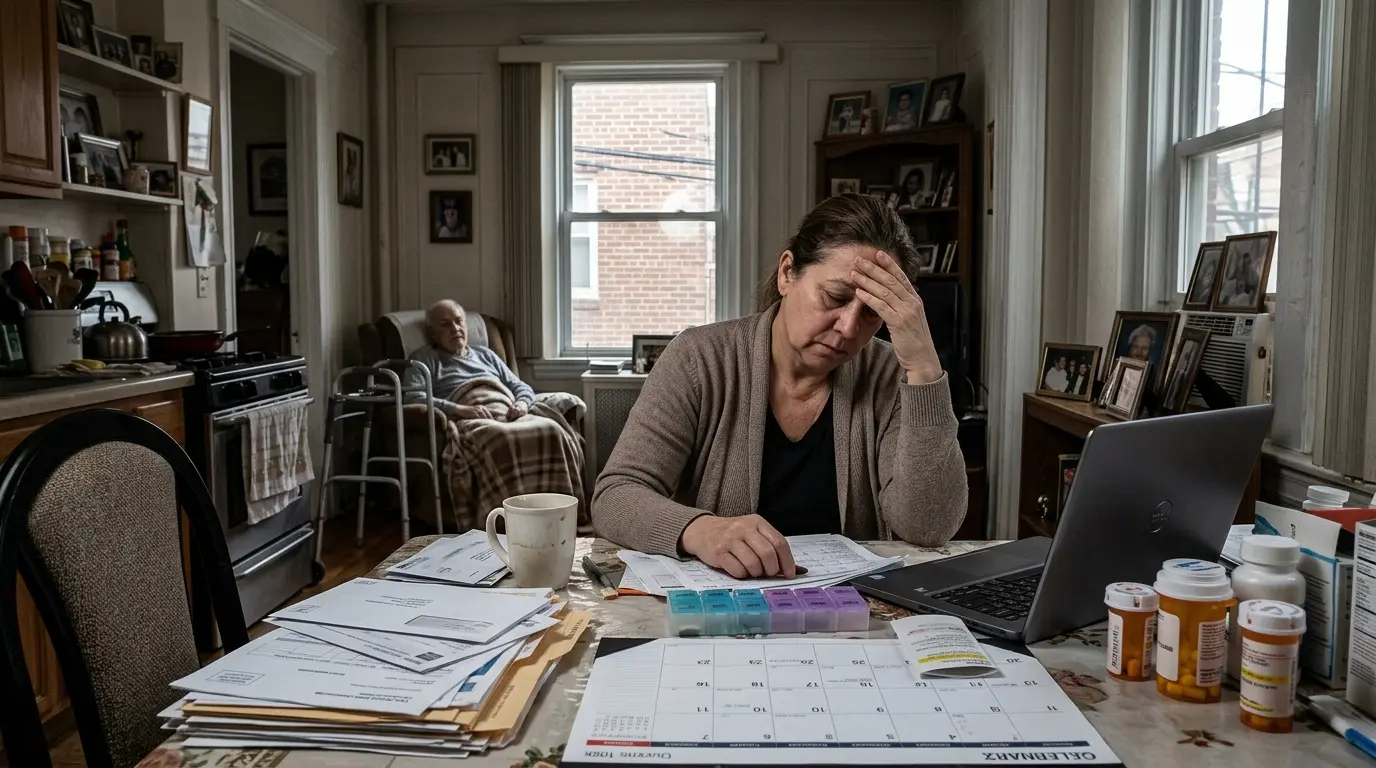
You’re worried about your parents. Maybe they live alone in Levittown or Great Neck. Small things pile up—missed meds, no meals, a fall risk. Nursing homes aren’t the only answer. Here’s the deal: in-home senior care lets older adults stay where they feel safe. Their own home. Many cases show this works for families across Nassau County, New York State. This guide walks you through the services, real benefits, and how it all actually works. No fluff.
What Exactly Is In-Home Senior Care?
In-home senior care means a trained caregiver comes to the senior’s home. They help with daily tasks. Bathing, dressing, meals, reminders. It’s not 24/7 medical care. Think of it as a helping hand. Families in Hempstead use it so mom doesn’t cook alone. Seniors stay independent longer. Caregivers handle the heavy lifting—literally and emotionally. You get peace of mind.
This type of senior care at home works for all stages. Early forgetfulness? Yes. Post-surgery recovery? Absolutely. Even just companionship. The goal is simple: keep life normal and safe.
Key Services in Home Care for Seniors
Every senior is different. So the services flex. Here’s what professional caretaker services typically include:
Personal care for seniors: Bathing, grooming, toileting, dressing.
Senior companion care: Conversation, games, walks, eating together.
Light housekeeping: Laundry, dishes, changing sheets.
Meal prep: Home-cooked food that fits dietary needs.
Medication reminders: Not giving meds, just gentle prompts.
Transportation: Rides to doctors in Mineola or grocery stores in Wantagh.
Respite care for seniors: Gives family caregivers a break. A few hours or a weekend.
You pick what’s needed. Nothing extra. That’s the beauty of caring for seniors at home. It’s a custom.
Why Families Choose Senior Care at Home Over Facilities
Let’s be real. Nursing homes cost a fortune. They also feel institutional. In Nassau County, New York State, a private room can run over $15,000 monthly. In home senior care? Often half that. Plus, seniors hate leaving their garden or their cat. Professionals have talked to adult children in Oyster Bay who tried assisted living. Their parents declined fast. They brought care home. Moods improved in weeks.

Another huge benefit: one-on-one attention. Facilities split staff across dozens of residents. At home, the caregiver focuses entirely on your loved one. That means safer showers, better meals, and someone who knows their coffee order.
How Does In-Home Senior Care Actually Work?
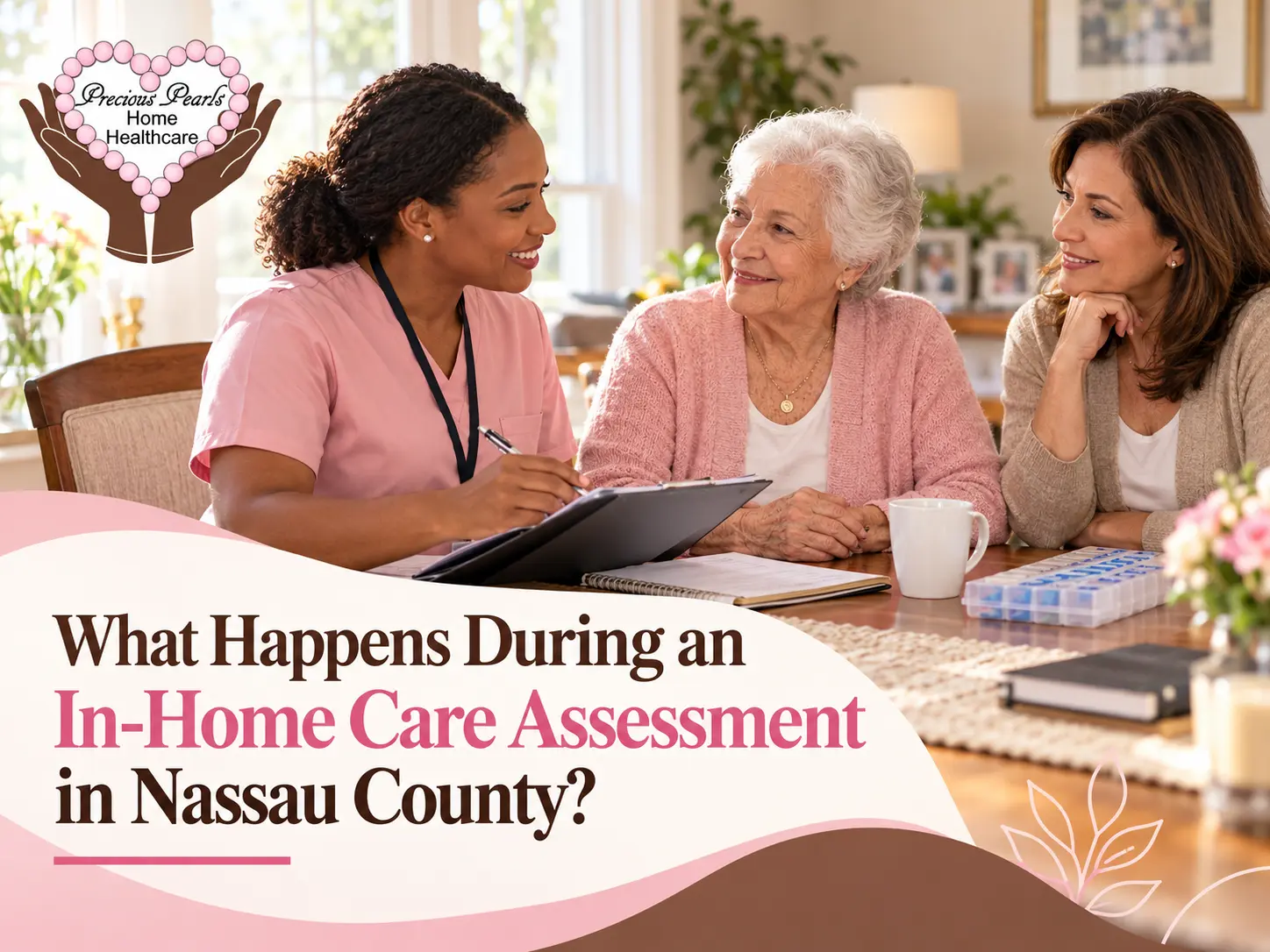
Step one: a phone call or online form. You talk to a local agency—not an 800-number robot. In Nassau County, many services start with a free in-home assessment. A coordinator visits your parents in Rockville Centre or Valley Stream. They chat, watch how mom moves around, and check safety risks.
Step two: a care plan is written. It lists every task. Morning bathroom help? Lunch prep? Evening companions care for seniors who get lonely? All spelled out.
Step three: matching with a caregiver. Agencies look for personality fit. Quiet book lover? Active former gardener? They match accordingly.
Step four: care starts. You get updates. Many services let you adjust hours week by week. Need respite care for seniors because you have a business trip? Add it.
The Hidden Benefits Families Don’t Expect
Most people think senior home care solutions are just about safety. They’re not wrong. But there’s more. Professionals have seen seniors start eating better because someone shops fresh. They have seen depression lift because a companion shows up daily. Isolation is a killer in suburbs like Massapequa and Long Beach. A caregiver becomes a friend.

Another hidden win: family relationships improve. You stop being the nagging adult child. You get to just be their kid again. The caregiver handles the hard talks about showering or taking meds. You show up for Sunday dinner and laugh. That’s priceless.
Seniors also feel dignified. They’re not “patients.” They’re still the person who raised you. Senior care at Nassau County protects that identity.
Common Myths About Senior In Home Care
Myth 1: It’s only for the very rich.
False. Hourly rates vary. Many families in Nassau County pay $25–$35 per hour. Part-time care a few days a week is doable.
Myth 2: Strangers can’t be trusted.
Agencies run background checks, bonding, and training. You can also meet the caregiver first. Some families start with short visits to build trust.
Myth 3: It’s 24/7 or nothing.
Nope. Two hours a day for meds and lunch works fine. Or overnight stays only. Or weekend respite care for seniors so you can rest.
Myth 4: Medicare covers everything.
Medicare covers skilled nursing, not ongoing personal care for seniors. But long-term care insurance or Medicaid may help. Local agencies in New York State explain options.
How to Choose a Caretaker Services Provider in Nassau County
Do your homework. Ask these five questions:
“Are you licensed in New York State?” Yes is required.
“Do you do background checks on all caregivers?” Should be standard.
“Can we adjust the schedule week to week?” Flexibility matters.
“What happens if our regular caregiver gets sick?” They should have backup.
“Do you have references in Glen Cove or Garden City?” Local proof.
Also read online reviews. But take one-star and five-star with a grain of salt. Call and trust your gut. A good agency will listen more than they talk. They’ll ask about your parent’s favorite TV show. Small things show big care.
FAQ
How much does in-home senior care cost in Nassau County?
Rates run $25–$40 per hour. Live-in care is often a flat daily rate. Call local agencies for exact numbers.
Is in-home senior care covered by insurance?
Long-term care insurance often pays. Medicaid covers some personal care for seniors if income-qualified. Medicare does not cover non-medical help.
What’s the difference between home care and home health care?
Home care helps with daily tasks (bathing, meals). Home health care adds nurses and therapy. Both can happen at home.
Can I hire a caregiver directly instead of an agency?
Yes, but you become the employer. You handle taxes, backup, liability. Most families in New York State prefer agencies for safety and payroll help.
How quickly can care start?
Some agencies in Nassau County start within 48 hours. Others take a week. Ask during your first call.
What is respite care for seniors?
Short-term care that gives family caregivers a break. A few hours, overnight, or a long weekend. You rest. They’re safe.
Do caregivers drive seniors to appointments?
Many do. Confirm with the agency. Driving to doctors in Syosset or shopping in Hicksville is common.
Conclusion
Choosing senior care for a parent is heavy. You feel guilt, worry, and hope all at once. Here’s what professionals have learned after a decade in New York: waiting makes everything harder. Falls happen. Loneliness deepens. Small problems become crises. But in-home senior care flips that script. It keeps your loved one safe, fed, and smiling in the home they love. You get sleep. They get dignity.