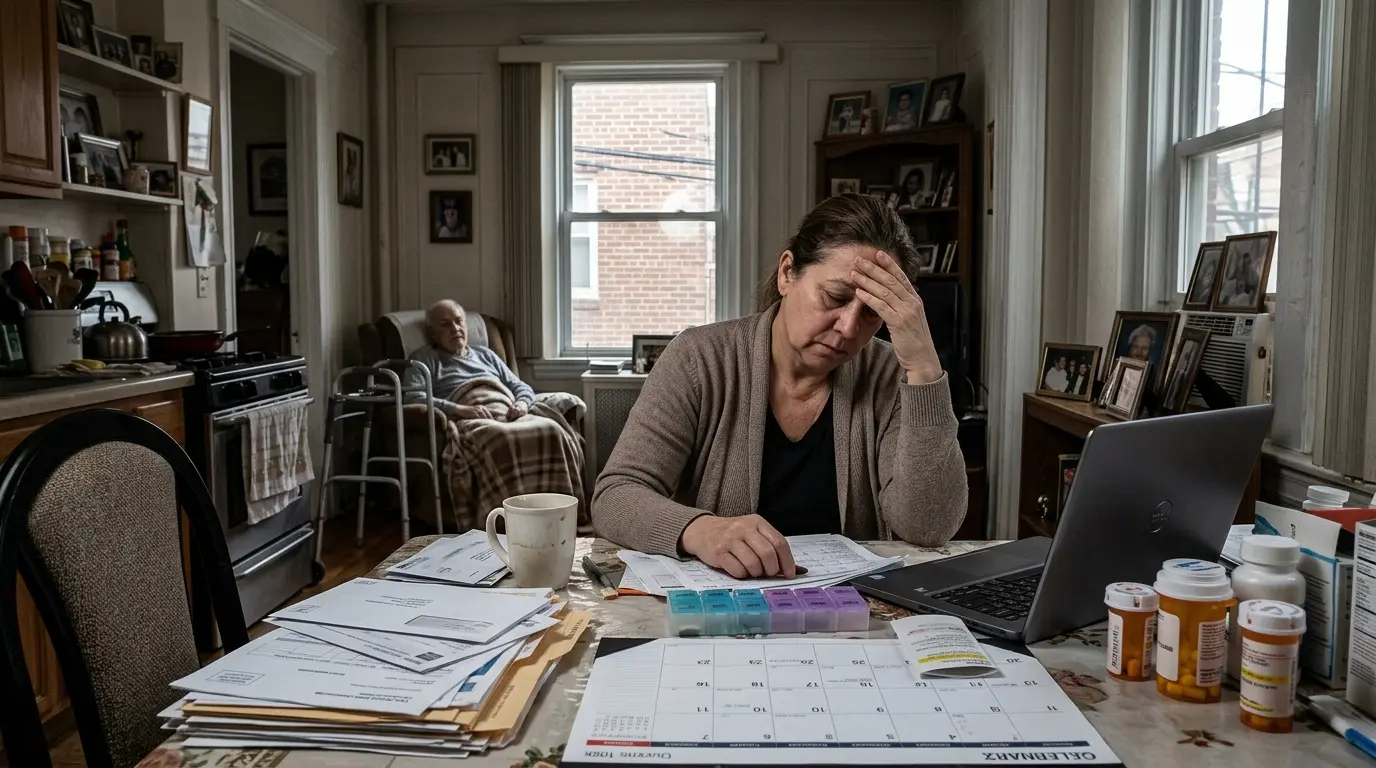
The disabled and adults should be given care, respect, and comfort of an enabling environment, as every human being deserves. It can be assistance with the house, support with everyday activities, and access to activities that promote self-sufficiency, but one way or another, contemporary care alternatives make life easier and more rewarding to disabled adults.
Nowadays, families have the choice either to stay at home or to have assisted living. They both offer customized assistance, although at varying levels. This guide explains what they involve, how they help, and how to find the right care solution for your loved one.
Why In-Home Care & Assisted Living Matter for Disabled Adults
In the case of families who have adults with disabilities, the selection of the support system may be life-changing. Physical or cognitive impairments that can come along with living a life with a disability obviously demand special consideration that fosters safety and dignity. Home care and assisted living services are developed to address these needs, both having their own advantages depending on the degree of independence and care needed.
- Home-based services for disabled adults enable them to remain in a familiar environment. A professional caregiver helps in everyday living, such as bathing, dressing, meals and medical reminders.
- Assisted living is an environment that offers health care and social services to disabled adults, which is a more structured environment in a communal setting.
These alternatives guarantee lifelong care, making life better, and families are free to rest, knowing that they have access to professional assistance any time.

What Are In-Home Care & Assisted Living Options for Disabled Adults?
The disabled adult care help terminology is rather broad-based- each service has a specific need in mind. Knowledge of the available options assists the family in making informed decisions.
In-Home Care for Disabled Adults
In-home care involves offering individual care at the home of the individual. Caregivers can help with:
- Personal cleanliness and dressing.
- Medication reminders
- Meal preparation
- Mobility support
- Light housekeeping
- Friendship and entertainment.
The given kind of care is most suitable for those who desire to stay at home but still have to be assisted day-by-day. Voc rehab Florida programs or local disabled adults day programs would also be supplemented with in-home care to provide more socialization and therapeutic interaction.
Assisted Living for Disabled Adults
On the contrary, assisted living for disabled adults entails community living with people who have different degrees of independence. The residents will have customized care based on their care plan. They are commonly provided with living areas, security adaptations, and healthcare services.
These homes of adult with disabilities offer a community-oriented environment. The residents are able to engage in recreational programs, socialization, and skill development workshops, and at the same time enjoy the benefits of daily care services provided by skilled personnel and experts in the field of disabilities.
In-Home Care & Assisted Living for Disabled Adults: In-Depth Explanation
This is a big decision when it comes to deciding whether to have in-home care or assisted living. The two choices are focused on enhancing quality of life, but they are suited to different lifestyles, comfort levels, and medical conditions. We will discuss the way they all work, their benefits, and what the family should consider prior to making the decision.
Home-based care: Caring and personalization
In-home care is very convenient and familiar to many families, and they prefer it for this reason. Staying at home will contribute to the preservation of emotional stability and decrease the level of stress in case of a transition to a new environment.
1. Personalized Care Plans
Each person has special needs; one might require assistance in bathing, dressing, or others might need medical attention or assistance in walking. It is in-home caregivers who develop a plan that fits the daily schedule of the individual so that continuity and comfort are achieved.
2. Emotional and Mental Well-Being
The familiar environment is very important when it comes to the emotional well-being of people with disabilities. Staying at home with the family, pets and personal possessions may decrease anxiety and allow one to remain stable in mind. A friendly caregiver is also a good companion who can be relied upon to eliminate the nature of loneliness in individuals who stay alone.
3. Flexible and Cost-Effective Scheduling
Home care will be at a cost depending on the number of hours and nature of assistance required, thus flexible to families with varying budgets. The families can modify the number of hours of care on a need basis, unlike in assisted living, where it is daily, weekly, or part-time.
4. Ideal for Mild to Moderate Disabilities
In-home care offers the appropriate level of care to adults who are independent but require assistance in some of their daily tasks. It is also perfect amongst people who are in recovery following a wound or a disease.
Assisted Living: Safety and Community
To be taken care of in a more organized way, adults with disabilities can live in homes or assisted living communities that provide a 24/7 service in a comfortable, social environment.
1. Easy and secure Facilities
Assisted living centers are customized to address the physical needs of the disabled. They usually incorporate the designs that are friendly to wheelchairs, as well as emergency response and medical personnel who are available 24/7.
2. Full-Service Lifestyle
The residents have the opportunity to eat healthy food, participate in quality activities, receive health care, and receive transportation services. The amenities facilitate a normal life and do not require the supervision of family members all the time.
3. Connection and Development in the Society
Relationship with other people via disabled adults day programs leads to a feeling of belonging and confidence. Several of these facilities also partner with community services, such as Voc Rehab Florida, to enable residents to acquire new skills or get back into the workforce.
4. Peace of Mind for Families
It helps the families to relax knowing that trained caregivers and disability specialists are readily available. The community also makes sure that all residents are given emotional and physical support, which minimizes the stress and burnout of caregivers.
Combining Both Approaches
Some families combine in-home care and assisted living. By providing an example, a person may be in an assisted living facility and employ the help of a private home care to provide the handicapped specialist. Such a hybrid strategy will keep social interactions and individual attention in check.
Further, most communities have projects such as the CAP program of disabled adults that is designed to assist the residents with financial assistance or special support services as long as they live on their own.
Benefits of Care Help for Disabled Adults
Having the alternative of in-home care or an assisted living home is full of long-term benefits to both the individual and family.
Key Benefits:
- Independence and Confidence: Adults maintain more control over their daily decisions.
- Improved Health: Regular routines, supervision, and balanced nutrition enhance physical and mental health.
- Safety Assurance: Professional caregivers reduce risks of falls or medication errors.
- Emotional Support: The company averts loneliness and promotes good mental health.
- Access to Resources: Voc Rehab Florida and disabled adults day program are programs that assist individuals in their further studies and development.
- Family Relief: Families will not experience the burden of caring around the clock, but have the opportunity to spend some good time with loved ones.

Practical Tips for Choosing the Right Care Option
Finding the right care solution may feel overwhelming, but a few steps can make the process simpler.
How to Choose Wisely:
- Assess Care Needs: Determine the level of physical or mental support required.
- Set a Budget: Compare in-home care and assisted living communities’ costs.
- Check Licensing and Reviews: The checker should always verify the credentials of the caregivers or facilities.
- Ask About Programs: Seek services related to cap program of disabled adults or voc rehab Florida to seek further assistance.
- On-site Visit: An assisted living facility tour allows assessing the level of cleanliness, safety, and staff-to-staff communication.
- First Comfort: Select a setting that is comfortable and friendly and modified to special needs.
Conclusion
Caring for adults with disabilities demands compassion, planning, and professional support. Whether through personalized in-home care or community-based assisted living, both paths provide essential comfort, independence, and security. By understanding your loved one’s physical and emotional needs, you can find a care option that enhances their quality of life and helps them thrive every day.
To explore trusted care options and learn more about specialized disability programs, visit Precious Pearls Home Health Care, your reliable partner in compassionate support for disabled adults.
FAQ’s
Q: What’s the difference between in-home care and assisted living?
A: The in-home care occurs at home, where a caregiver is involved, whereas assisted living occurs in a community with medical and social services provided.
Q: Who should consider in-home care for disabled adults?
A: In-home care is the most effective among adults who desire to remain at their homes but require assistance in their daily activities such as bathing, cooking, and taking medication.
Q: Are there day programs for adults with disabilities?
A: Yes, numerous day programs provide recreational and skill-building opportunities to their clients to help them become more independent and social.
Q: How can families afford assisted living care?
A: The local government services, insurance schemes, and such programs as the CAP program of disabled adults allow families to investigate the financial help.
Q: What are the benefits of assisted living for adults with disabilities?
A: It offers security, lifelong care, participation of the community, and specialist medical attention all in a single roof.