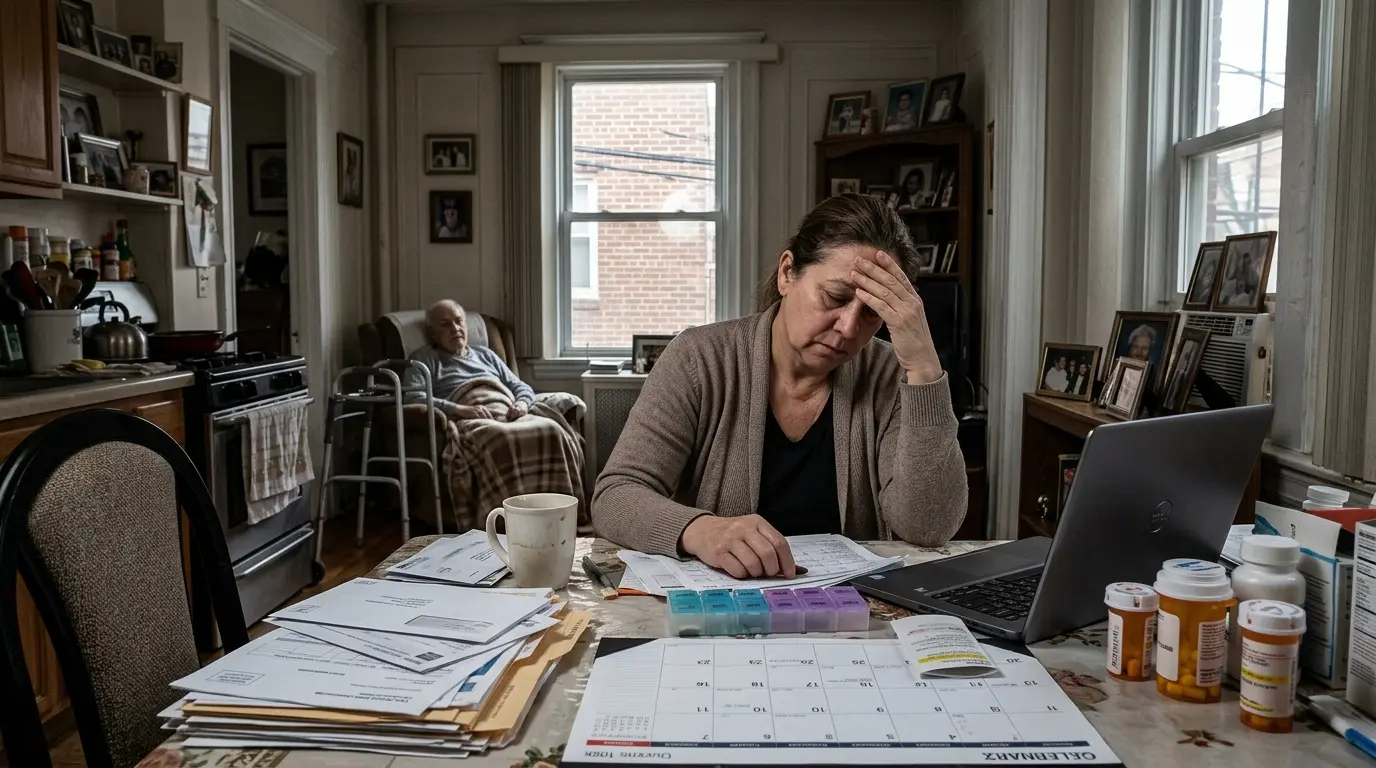
Caring for someone with dementia can be very hard and challenging. Dementia is a serious brain condition that makes people forget important things easily and get confused about where they really are. This guide teaches families how to care for their loved ones at home safely and comfortably every day.
What Is Home Care for Dementia Patients?
Home care for dementia patients means helping someone with dementia stay in their own home. A caregiver helps with getting washed and dressed. They help make meals and make sure medicine is taken. They help people move around safely. They also give emotional support and comfort.
Many families choose home care for dementia patients because it feels safer. Home is familiar. It helps people feel less scared and confused.
Why Home Care Matters for Dementia
Dementia is hard. It affects memory, talking, and moving around. A safe home helps people feel calmer.
When families provide good care, they spot problems faster. Quick help can prevent bigger issues. Good care also helps people keep their dignity and stay independent longer.
How to Care for Dementia Patients at Home
How to care for dementia patients starts with being patient. Every person is different. What works for one person might not work for another.
Be kind. Use clear words. Speak slowly. Use simple routines. This helps reduce stress and confusion.
Keep a Regular Daily Routine
People with dementia feel safer when they know what comes next. A routine reduces confusion.
Do meals, medicines, and baths at the same times every day. Keep things simple. Don’t make big changes. Pictures and calendars help people know what day it is.
Talk Clearly and Calmly
As dementia gets worse, talking becomes harder. Long, confusing words make people upset.
Speak slowly. Use easy words. Look at them in the eyes. Let them have time to answer. Don’t argue. Instead, be kind and calm.
Help Them Stay Independent
When someone can still do things, let them try. This helps them feel good about themselves.
Help a little instead of doing everything. Break big tasks into small steps. Small wins make people feel happy and strong.
How to Make the Home Safer
Safety is very important. Memory problems mean people might have accidents.
Small changes to the home help a lot. Check the home often as needs change.
Stop Falls
Falls are very dangerous. Good lighting and clear paths help a lot.
Take away loose rugs and cords. Put handrails where needed. Put lights on stairs. Use non-slip mats in bathrooms.
Stop People From Wandering Away
Some people with dementia leave home and get lost. Families can help prevent this.
Put alarms on doors. Keep new pictures ready. Get a medical ID bracelet. Tell neighbors what’s happening.
Organize the Space
A clean, simple home reduces confusion. Label things clearly.
Keep things people use in easy spots. Don’t have too much stuff around. Too many things can be distracting.
Taking Care of Physical Health
Good health is important. Eating well, exercise, and doctor visits help people feel better.
Families should watch health closely. Talk with doctors often.
Encourage Healthy Eating
People with dementia might forget to eat. Good food helps the brain.
Give balanced meals with fruits, vegetables, meat, and grains. Cut down on sugar and junk food. Smaller meals might be easier for some people.
Help Them Stay Active
Exercise is good for body and brain. It can also help people sleep better and feel less worried.
Walking and light activities help. Pick activities that are safe and match what they can do.
Organize Medicines
People with dementia might forget to take medicine. Systems help make sure medicine is taken right.
Use pill boxes. Use alarms for reminders. A caregiver might watch them take medicine. Talk with doctors about all medicines.
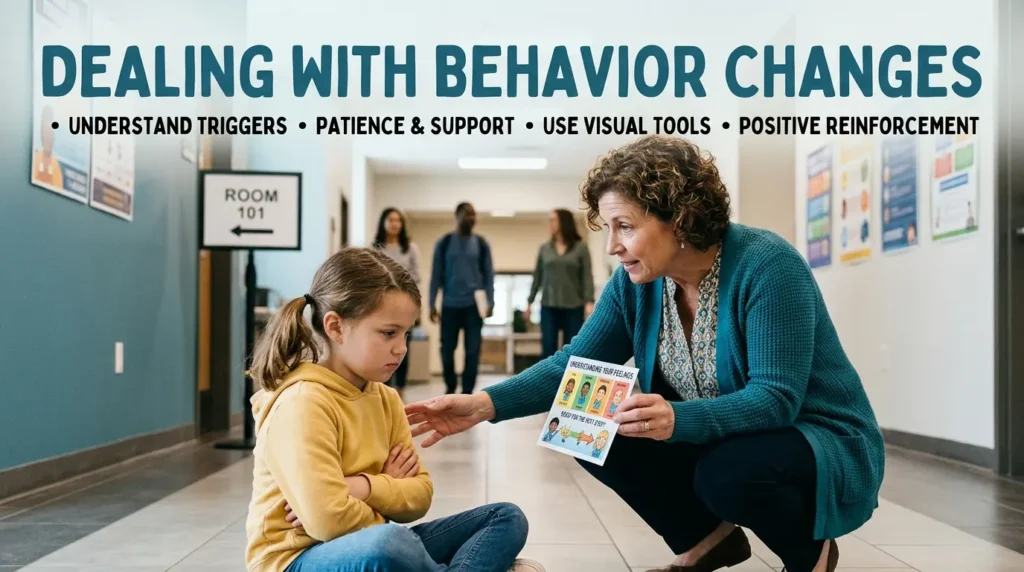
Dealing With Behavior Changes
Behavior changes are hard. People might get angry, worried, or confused. Their mood might change a lot.
Usually, behavior changes happen for a reason. Maybe they hurt. Maybe they’re scared. Maybe something is wrong.
Find What Causes Problems
Certain things cause bad behavior. Being hungry, tired, hurt, or overstimulated can upset people.
Watch what happens before bad behavior. Write it down. This helps you stop problems before they start.
Use Distraction, Not Arguments
Arguing or correcting someone with dementia makes them more upset. Distraction works better.
Move them to a new activity or topic. Be calm and kind. This helps them feel safer and less upset.
Help Them Stay Social
Being alone makes emotions worse. Talking with people helps.
Have family and friends visit. Do fun things like music, games, and talking. This makes people happy.
When You Need Professional Home Health Care for Dementia Patients
As dementia gets worse, families often need help. Professional home health care for dementia patients provides support so people can stay home.
Help can be a few hours a week. Or it can be all day, every day.
What Professional Caregivers Do
Trained caregivers help with washing and dressing. They help people move safely. They make sure medicine is taken at the right time. They also help with daily tasks and activities. Professional help also makes things easier for family caregivers. Families can rest and take breaks. Everyone gets better care when professionals are involved.
Understanding 24 Hour Care for Dementia Patients
Sometimes people need help all the time, day and night. 24 hour care for dementia patients means someone is always there watching and helping. This level of help works for people who leave home and get lost. It works for people who are very confused. It also works for people who need help with almost everything and need watching all the time. This care helps keep people safe. Families feel more at peace knowing someone is always there.
Planning for Long-Term Care Needs
Dementia gets worse over time. Planning ahead helps families make good choices. This stops stress later.
Money planning is also important. Know what help costs.
Does Long Term Care Insurance Help?
Some families use long term care insurance for dementia patients. It helps pay for care.
Some insurance covers home care, group homes, or hospitals. Check your policy early. Know what it covers.
Talk About the Future
Talk with the person about what they want. If they can, ask them what they prefer. Know their wishes about where they want to live. Ask what medical help they want and what kind of help they need. This helps everyone plan better for the future.
Helping Family Caregivers
Family caregivers work hard. It feels good to help. But it can also be tiring and sad.
Caregivers who don’t rest get burned out. They might get sick. Taking care of yourself is very important.
Take Breaks
Short breaks help you feel better. Get help from family, friends, or paid caregivers. Join a support group. Talk to others who understand.
Notice If You’re Burning Out
There are signs that tell you if you’re too tired. You might feel exhausted all the time. You might get mad easily at small things. You might not be able to sleep well. You might feel overwhelmed and like too much is happening. Getting help is not weak. It keeps both you and the person you care for healthy.
FAQS
What’s the hardest part of home care for dementia patients?
Handling behavior changes is very hard. You also need to keep people safe and happy. Regular routines and a safe home help a lot.
How can families improve in home care for dementia patients?
Families can improve in home care for dementia patients by making routines, simplifying tasks, and making the home safe. Talk with doctors often. Give emotional support. Do fun activities.
When should someone consider 24 hour care for dementia patients?
24 hour care for dementia patients might be needed when safety is a big worry. A person might need it if they leave and get lost a lot. They might need it if they get confused at night. Falls might happen often. They might have severe memory loss. These are signs that constant care is needed.
Does home health care for dementia patients include medical services?
Yes, some home health care for dementia patients includes medical help. This might be nursing care from a trained nurse. It might include medicine help to make sure the right medicine is taken at the right time. Some services offer therapy to help people feel better. Health checks are also done to watch for problems. Ask local care providers what they offer.
Does long term care insurance for dementia patients cover home care?
Many long term care insurance for dementia patients policies help pay for home care. But coverage is different for each policy. Read your policy carefully. Ask your insurance company what it covers.
How do you care for dementia patients without causing frustration?
To care for dementia patients well, you need to be patient and flexible. Use simple words and keep routines so people know what to expect. Don’t argue about memory problems. Be kind and calm instead. Redirect their attention to new activities instead of getting upset. A calm way of helping stops upset and makes daily life better for everyone