Your mom or dad is getting older. Maybe they’re having trouble doing things alone. You want them safe. They want to stay home. That’s where at-home care comes in. It’s when someone comes to help them at their house. This guide tells you what’s available and how to pick the right help.
What Is At-Home Care for Seniors?
At home care is simple. A person comes to your parent’s house and helps them. They might help with cooking. Or cleaning. Or taking medicine on time. Maybe they just sit and talk. The help can last a few weeks or several years. It all depends on what your parent needs.
Most older people don’t want to move. Their home is familiar. They know where everything is. They like their routines. Staying home keeps them happier and less stressed. That matters a lot.
Who provides in home health care? It could be a nurse. A therapist. An aide. Someone to keep them company. Each person does something different. Some focus on health stuff. Others help with daily life. Together they make sure your parent gets what they need.
Why Do Families Choose Home Care Solutions?
Life is crazy. You’ve got work. You’ve got kids. Your parents need more help. You can’t be there every day. That’s why employment in senior care keeps growing. Families need it.
Home care solutions work differently for everyone. Your dad might need help two hours in the morning. Your aunt might need someone there all day and night. You can change it whenever you need to. More help when things get worse. Less when they get better.
Staying home means staying independent longer. Your parent still makes their own coffee. They still go outside if they want. They’re in control. A caregiver just does the stuff they can’t do anymore. That keeps them feeling like themselves.
You also sleep better at night. You’re not worried all the time. Someone’s there checking on them. Making sure they eat. Making sure they take pills. Making sure they don’t fall. That peace of mind is real.
What Services Do Professional Caregivers Provide?
There’s two kinds of care. Medical care. And regular help with life stuff.
Senior Home Health Care Services
Senior home health care is the medical kind. A doctor says your parent needs it after surgery or being really sick. Nurses come and check vital signs. They manage pills. They watch for problems. They can help with wounds or physical therapy. This keeps people out of the hospital.
Therapists help too. Physical therapists teach exercises to get strength back. After a stroke or fall, they’re really important. Occupational therapists show people how to do normal stuff in new ways. How to get dressed. How to take a shower safely. Speech therapists help if swallowing or talking is hard.
Medication is a big deal. People mess up and miss pills. Or take the wrong dose. That causes real problems. A home health worker keeps track. They watch for bad reactions. They talk to doctors if something’s wrong.
Non-Medical Care and Support
Personal care is bathing and dressing help. Some people just need reminders. Others need hands-on help. It keeps them clean and safe.
Food matters. A caregiver shops and cooks. They make healthy meals. They can handle special diets if someone has diabetes or heart stuff. Good food helps people feel better and stay stronger.
Companionship sounds small. It’s not. Loneliness hurts older people’s health. A caregiver talks with them. Plays games. Takes walks. Just listens. That human connection makes a huge difference. People get less depressed. Less sad.
Transportation helps too. A caregiver drives them to doctor visits. To the store. To see friends. Getting out matters. Light cleaning and laundry help. Yard work. All stuff that gets hard as you age.

How Much Does At-Home Care Cost?
Price depends on a bunch of things. Where you live. Longmont costs different than smaller towns. What kind of help you need. Just someone to talk to costs less than a nurse. How many hours. That’s the big one.
Companion care might be twenty to twenty-five dollars an hour. A nurse costs more. Maybe fifty to one hundred dollars an hour. Full-time is eight hours or more a day. Part-time is a few hours a week.
Think about future costs too. People get sicker. Needs change. What costs a little now might cost more later. Plan ahead. Don’t get surprised.
Insurance helps sometimes. Medicare covers nursing and therapy if a doctor says it’s needed. Medicaid helps low income seniors. Veterans get benefits. Some people have long-term care insurance. Always check what you actually have before you assume.
Think about what you’re getting. Good care stops falls. Stops infections. Stops hospital visits. A hospital stay costs thousands. Home care looks cheap compared to that. Quality care makes life better for your parent too.
How to Find the Right Care Provider in Longmont
Finding good care takes work. Start with credentials. Is the company licensed? Do caregivers pass background checks? Do they get training? Good agencies train their people and keep everything current.
Get references. Call other families who use them. Ask what they like. Ask what they’d change. Online reviews help. But real conversations tell you more.
Meet caregivers before you hire them. Your parent will spend a lot of time with this person. They need to click. A caregiver who’s patient and kind makes everything better.
Longmont providers know the area. They know local doctors. They know hospitals. They know where stuff is. That helps coordinate care. Boulder area services know even more resources. They might know which doctors are best. Which pharmacies help most.
Get everything written down. Know what’s included. Know the cancellation rules. Know how to ask for changes. Avoid surprises later.
When Should You Consider Getting Help?
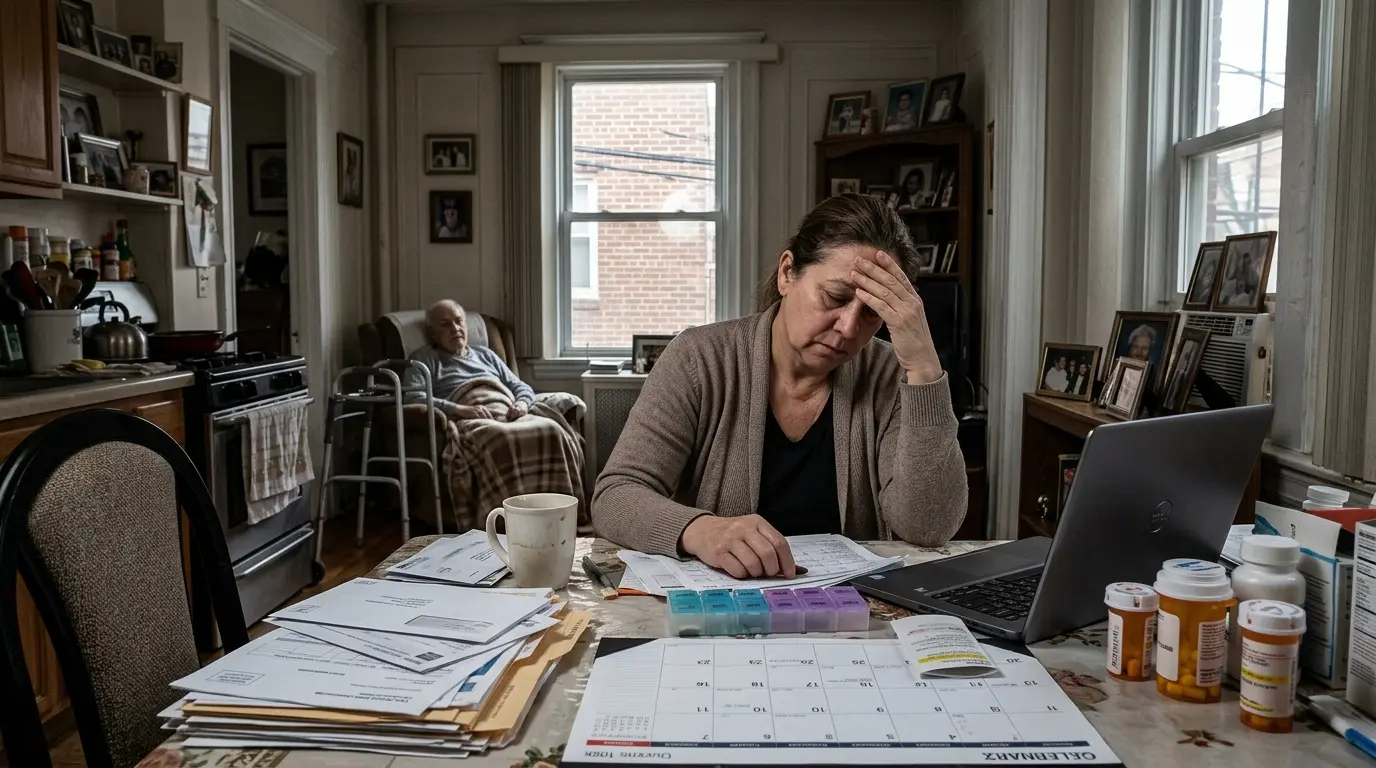
Watch for signs that your parent’s struggling. Do they forget medicine? That’s bad. Dirty clothes. Weight loss. Falling. These are red flags. Messy house. Bills don’t get paid. These mean they’re having trouble.
Memory problems are risky. They might leave the stove on. Forget to lock doors. Getting help early stops accidents. It also lets them adjust slowly. Starting when things are okay is easier than starting after a fall.
Don’t wait for disaster. Start when you first see problems. Early help keeps them independent longer. It’s easier for everyone.
FAQS
What’s the difference between at-home care and assisted living?
At home care means your parent stays in their house. Help comes to them. Assisted living means moving to a facility. They live there with staff around. Home care usually costs less. It feels more comfortable for most people. Assisted living has more activities and people around. The choice depends on health, safety, and what your parent wants.
Does insurance cover senior home health care?
Medicare covers nursing and therapy when a doctor prescribes it for medical reasons. Medicaid covers some in-home care for qualifying people. Veterans get VA benefits. Some people have long-term care insurance. It varies a lot. Check your specific policy. Talk to providers about what’s covered before you start.
What should I look for when hiring a caregiver?
Look for training and experience. Check background checks. Ask about certifications. Make sure they communicate well with family. Get references. Talk to past clients. The best caregivers listen, respect independence, and become trusted members of your family.
Can seniors get both medical and non-medical care?
Most seniors benefit from both. A nurse might come three times a week for medicine and health checks. A companion comes other days for meals and activities. Together they provide complete support. Your parent stays healthy, active, safe, and less lonely.
How do I know when my parent needs more help?
Signs are missed medicine, falls, poor eating, confusion, and trouble with household stuff. If they’re not bathing or changing clothes. If they’re lonely or depressed. Talk to their doctor. Tell them what you’re seeing. Ask what help they recommend. Early help keeps seniors safer.
Are home care plans flexible?
Plans change as needs change. What works one month might not work next month. Good providers adjust schedules and services based on what happens. This flexibility is a huge advantage of home care.