Caring for an older family member brings love, responsibility, and many challenges. At first, it may feel simple to help with meals, remind them about medicines, or spend a little extra time with them. But as age progresses, their needs often increase, and families begin to look for reliable elderly care at home that keeps their loved ones safe, comfortable, and respected.
Many families also struggle when they notice forgetfulness, confusion, or mood changes in their loved ones. These signs of elderly memory loss can be worrying and confusing. In such situations, families need clear guidance and practical support to provide the right elderly support without feeling overwhelmed.
Why Elderly Care at Home Matters
Most seniors feel happier and more secure in their own homes. Familiar surroundings reduce stress and help them stay emotionally balanced. This is why elderly care at home has become a preferred choice for many families.
Home care focuses on comfort, dignity, and independence. It also allows families to stay involved in daily care.
Some key benefits include:
- Seniors stay in a familiar and safe environment
- Families stay closely involved in care decisions
- Care becomes more personal and flexible
- Seniors feel more emotionally secure
Good senior assistance does not only focus on physical needs. It also supports emotional well-being and daily comfort.
Daily Support That Makes Life Easier
Proper elderly support covers many small but important daily tasks. These tasks help seniors stay safe, healthy, and independent.
Help with Daily Activities (ADLs)
Many seniors need help with activities of daily living (ADLs), such as bathing, dressing, grooming, and eating. A caregiver helps without taking away independence.
They focus on:
- Helping gently with personal care
- Respecting privacy and dignity
- Encouraging seniors to do what they can on their own
This type of care builds confidence and improves daily comfort.

Medication and Health Support
Seniors often take multiple medicines. Missing doses or taking the wrong medicine can cause serious problems.
With proper medication management and adherence monitoring, caregivers:
- Remind seniors to take medicines on time
- Track daily medication schedules
- Watch for side effects or changes in health
This support helps avoid health risks and hospital visits.
Healthy Meals and Nutrition
Good food keeps seniors strong and active. Caregivers help with meal planning and preparation based on health needs.
They:
- Prepare fresh and balanced meals
- Support special diets like low sugar or low salt
- Encourage proper hydration
This simple elder care tip helps improve energy and overall health.
Safe Movement and Fall Prevention
Falls are one of the biggest risks for older adults. Caregivers reduce this risk through safe support and awareness.
They perform a fall risk assessment and home safety evaluation:
- Remove home hazards like loose rugs
- Support walking and movement
- Help with safe transfers (bed, chair, bathroom)
This keeps seniors safe and confident at home.
Dementia Care at Home: Gentle and Supportive Approach
Dealing with an individual experiencing memory problems requires sensitivity and tolerance. Dementia comfort, safety, and emotional support are the keys.
Understanding Memory Loss in Seniors
Though elderly memory loss can begin gradually. Older persons might forget names, ask questions over and over again, or get puzzled in places they once knew well.
It reduces family stress and helps families cope with symptoms better when early care is sought.
Managing Behaviour Changes in Dementia
Dementia can cause confusion, anxiety, or restlessness. Caregivers use simple and calm methods called dementia behavior management strategies.
They:
- Speak slowly and clearly
- Keep daily routines consistent
- Redirect attention during stress
- Avoid arguments or corrections
This helps reduce fear and improve emotional comfort.

Mental Activities for Brain Support
Caregivers also use cognitive stimulation therapy (CST) techniques to support brain activity.
These include:
- Memory games and simple puzzles
- Talking about memories
- Listening to music or familiar stories
These activities help seniors stay mentally active and engaged.
Creating a Safe Home for Dementia Patients
A safe environment is very important for dementia care. A proper home-based care assessment helps identify risks and improve safety.
Simple changes include:
- Clear labels on doors and rooms
- Good lighting in all areas
- Removing unnecessary clutter
These changes reduce confusion and help seniors move safely.
Support for Families and Caregivers
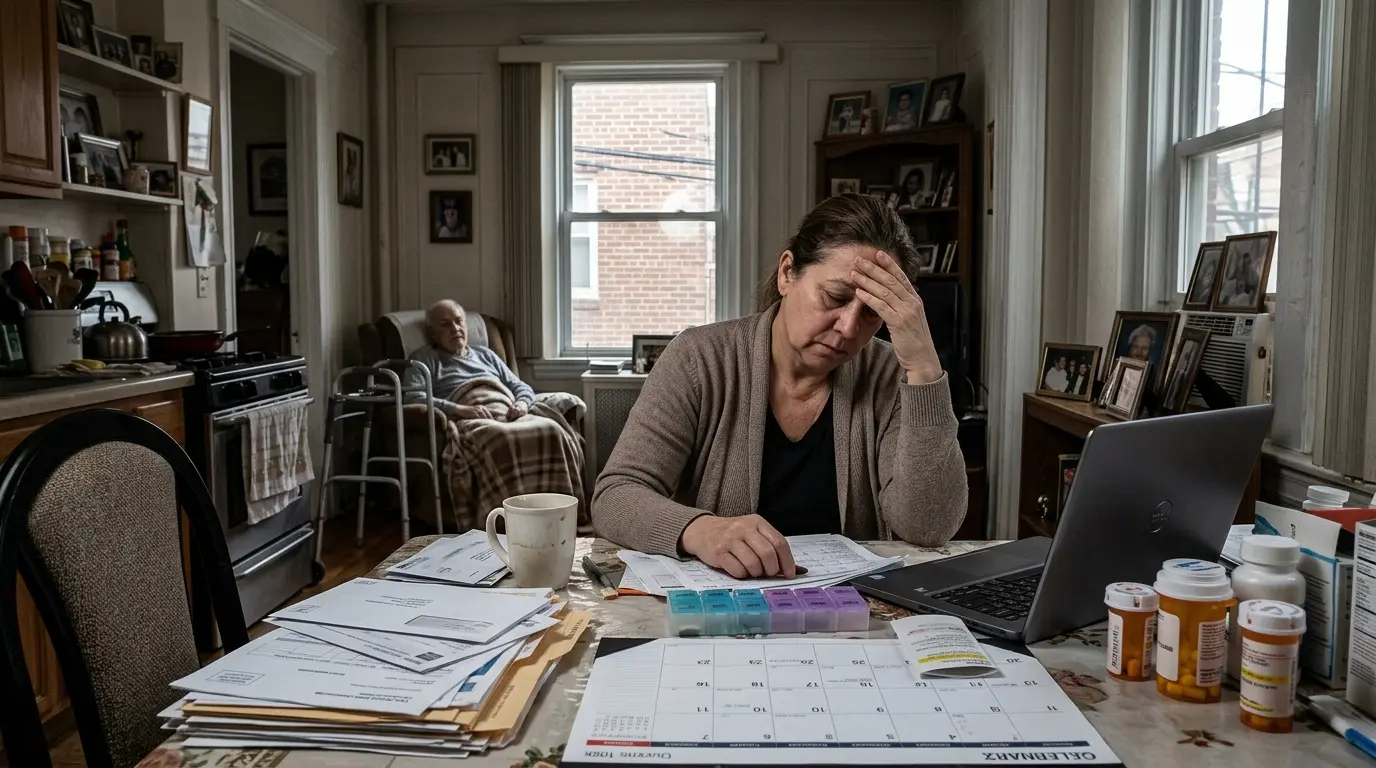
Caring for seniors full-time can become stressful. Families also need rest and emotional support. This is where respite care services coordination becomes helpful.
Respite care allows caregivers to take breaks while trained professionals take over care duties.
Support may include:
- Short-term home care support
- Overnight or live-in assistance
- Post-hospital recovery care
- Transportation for appointments
This balance helps prevent caregiver burnout and improves overall care quality.
Building a Personal Care Plan for Every Senior
Every senior has different needs. A good person-centered care planning approach focuses on the individual, not just the condition.
Care plans usually include:
- A full home-based care assessment
- Daily routines based on comfort and habits
- Emotional and social support activities
- Regular updates as needs change
Simple elder care tips like listening carefully and adjusting routines make a big difference in care quality.
Professional Home Care Makes a Real Difference
Family care is important, but professional support adds structure, training, and consistency. Services like Precious Pearls Home Care provide complete elderly care at home solutions that include companionship, personal care, dementia care, and post-hospital recovery support.
Professional caregivers help with:
- Daily personal care and supervision
- Medication reminders and health monitoring
- Safe mobility and fall prevention
- Emotional companionship and support
This type of care improves safety and gives families peace of mind.
Conclusion
How to take care of seniors at home: Patient understanding and the right support system. A family builds a free-loving home when the love they nurture is practiced right with proper elderly care in their own homes, making sure they are at ease.
Naturally, dementia and aging issues seem like an uncertainty to live with, but the right care method simplifies life for the elder as well as the family. With structured assistance and daily support from services such as Precious Pearls Home Care, families can stress less about care and spend more time connecting with the loved ones in their lives.
FAQs
What is elderly care at home?
This can include assistance with daily living activities, meals and feeding, medicines, mobility support, companionship, and safety services at home.
2. In this article, we will discuss how home dementia care can assist you in helping your senior.
It allows seniors to remain in a comfortable environment, minimizes disorientation and offers caring daily organization.
3. When do families need formal senior care?
Families should explore care options when daily living becomes too much for the older adult or when home safety risks increase.
4. What is respite care, and why is it needed?
As a family caregiver, we need time off from our duties, and respite care involves professional caregivers who look after the senior.
5. Quality of life improvement from home care for the elderly. Am I right?
Absolutely, more than just comfort, safety, and emotional health is needed to remain independent for as long as possible.