Caring for an aging family member is a beautiful, deeply rewarding journey, but it can also feel exhausting and stressful. As your loved one’s health changes, you might find yourself juggling complicated medications, helping them move around, and managing daily chores all at once. It is completely normal to feel overwhelmed when your role shifts from being a supportive child or spouse to a full-time caregiver. When daily tasks become too heavy to handle alone, bringing professional home nursing tips into your routine can make a massive difference for everyone.
By learning a few smart strategies used by professionals, you can keep your loved one safe and comfortable right at home. You do not need to be a medical expert to build a safer daily routine. Focusing on a few core areas like preventing falls, managing medications, and planning healthy meals will help you upgrade the quality of care you provide while protecting your own energy.
How to Prevent Falls and Keep the Home Safe
A safe home is the most important part of senior assistance. A single fall can cause serious injury, strip away a senior’s independence, and lead to months of painful recovery. You can actively lower these risks by looking at the house through a professional lens. Clear out clutter from hallways, remove loose rugs, and tuck away loose electrical cords. Installing simple updates like sturdy grab bars in the bathroom, non-slip mats in the tub, and bright nightlights along pathways will make a huge difference.
As a senior’s health changes, a professional home health nurse can check their balance and walking patterns to spot risks before an accident happens. If your loved one needs help moving, you can provide confident mobility assistance by teaching them how to use a walker correctly or helping them stand up safely from a bed or chair. When you make these tasks smooth and secure, you protect your loved one from injury and help them feel much more independent.
Easy Ways to Manage Medications and Chronic Illnesses
Managing multiple prescriptions, vitamins, and pill schedules leaves no room for mistakes. Chronic diseases often require strict timing, specific dosages, and careful planning to avoid dangerous drug interactions. To keep things simple and organized, a skilled home care nurse relies on straightforward tracking tools. You can use clearly labeled pill boxes, set recurring alarms on your phone, and write everything down in a master daily log so no one ever misses or doubles a dose.
Excellent care also means watching how your loved one feels after taking their medicine. Keep a close eye out for side effects, and track vital signs like blood sugar or blood pressure regularly if they deal with conditions like diabetes or heart issues. When you catch small changes early, you can update the doctor quickly and prevent unexpected trips to the emergency room.
Specialized Care for Dementia and Surgery Recovery
If your family member lives with cognitive decline or is recovering from a major operation, they need a special kind of attention. Providing dementia patient care requires a lot of patience and specific caregiver training. Because cognitive changes can cause seniors to feel confused, anxious, or angry, professionals use a steady daily routine to create a sense of safety. Keeping the environment calm, using gentle words, and validating their feelings will ease their anxiety and prevent outbursts.
If your loved one is healing after a major operation, post-surgical assistance focuses on physical healing and infection prevention. You must inspect surgical cuts every day for any redness, swelling, or leaking fluid. A visiting professional can handle sterile bandage changes and guide your loved one through gentle physical therapy exercises so they heal quickly without straining their body or ending up back in the hospital.
Healthy Meals and Support for Daily Living
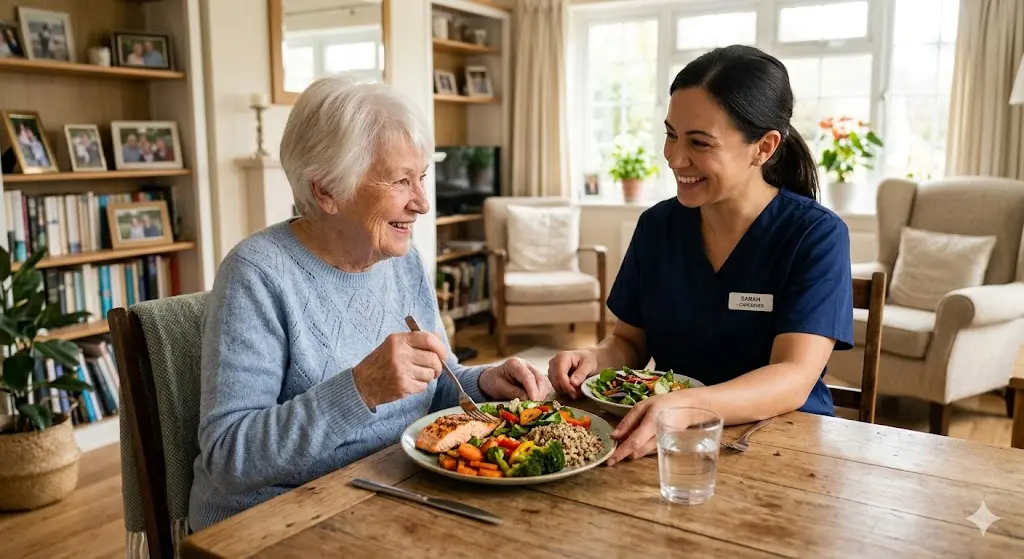
Helping a senior with personal care—like bathing, dressing, and grooming—requires gentleness and respect. It is easy for seniors to feel embarrassed when they can no longer do these things alone. Experienced caregivers provide daily living assistance in a way that protects the senior’s privacy and honors their dignity. Keeping your loved one clean and neatly dressed boosts their self-esteem and keeps them feeling human.
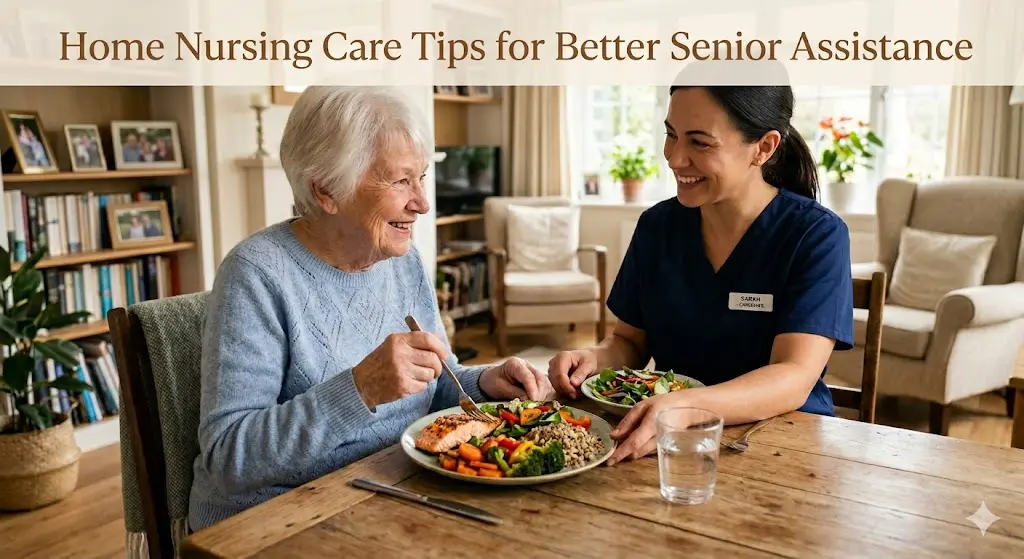
Good food is just as important as medicine for keeping up their strength. Many seniors lose their appetite, find it hard to swallow, or have to avoid certain foods due to medical issues. You can use quality meal services or custom meal planning to ensure they get the right nutrients every day. Preparing soft foods, low-sodium dishes, or nutrient-dense snacks stabilizes their energy, strengthens their immune system, and helps their body heal.
In-Home Care vs. Care Facilities: Finding the Best Choice
As a loved one’s needs grow, many families start wondering if they should look into external care options. You can use online tools like the nursing home compare index to look up facility ratings, staff sizes, and safety scores in your area. While facilities offer around-the-clock medical staff, they often lack the personal, warm touch that a dedicated home health care nurse provides.
Choosing professional in-home care allows your loved one to receive elite medical support without leaving the comfort of their own home. An in-home care plan adjusts entirely to your loved one’s personal preferences, favorite habits, and specific medical needs. This one-on-one attention keeps them safe, manages their chronic illnesses, and lets them age happily in place surrounded by the people and memories they cherish most.
FAQS
What is the difference between a home health nurse and a home care nurse?
A home health nurse provides clinical medical treatments like changing wound dressings or giving injections. A home care nurse or aide helps with non-medical daily tasks like bathing, making meals, and keeping your loved one company.
How do professionals prevent infections after a senior has surgery?
Professionals wash their hands constantly, use completely sterile equipment, keep the recovery area clean, and inspect surgical cuts daily for any early signs of redness or swelling.
Why should families check the nursing home compare tool?
Checking this tool helps you understand what standard facilities offer, making it easier to design a much safer, more attentive, and highly personalized care plan for your loved one at home.
How does caregiver training help seniors who have dementia?
Specialized training teaches caregivers how to calm a confused senior, communicate clearly, prevent dangerous wandering, and keep the home peaceful and predictable. Partnering with a professional team ensures your family member enjoys excellent medical safety, physical help, and everyday comfort right in their own living room. If you want to stop feeling stressed by daily caregiving and want a structured plan built around your family’s needs, reach out to Precious Pearls Home Care. Our compassionate team works hard to improve seniors’ lives and bring peace of mind back to your household. We believe that when it comes to honoring your family, exceptional support is a matter of mind over matter. Contact us today to learn more about our senior care solutions.