Missed medications. A difficult recovery after surgery. Family caregivers stretched far beyond their limits. These are daily realities for countless households across Nassau County. Fortunately, professional home health care delivers skilled support right where it matters most — inside the home — reducing confusion, preventing unnecessary hospitalizations, and restoring peace of mind.
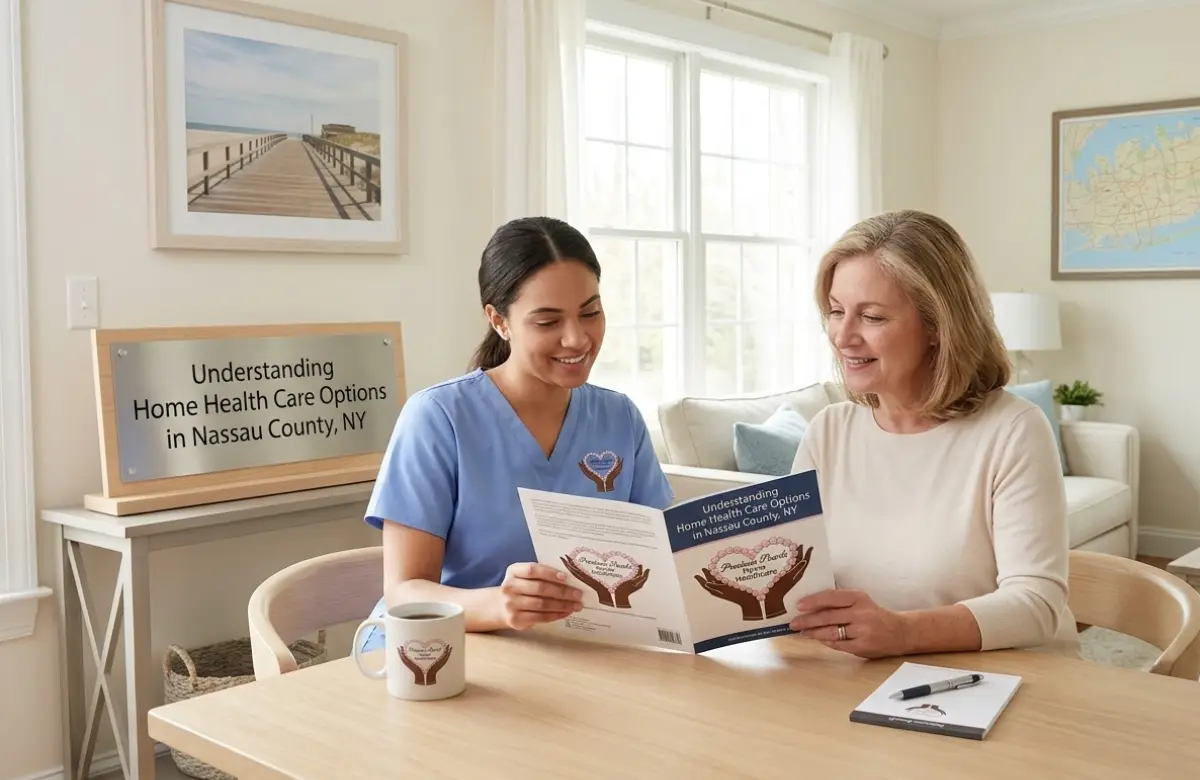
Home care services in Nassau County, NY are available across the region, from Great Neck to Long Beach, offering practical, reliable options tailored to each family’s needs. Whether you’re caring for an aging parent, a spouse recovering from surgery, or a loved one living with dementia, this guide covers what you need to know to make the right choice.
What Is Home Health Care?
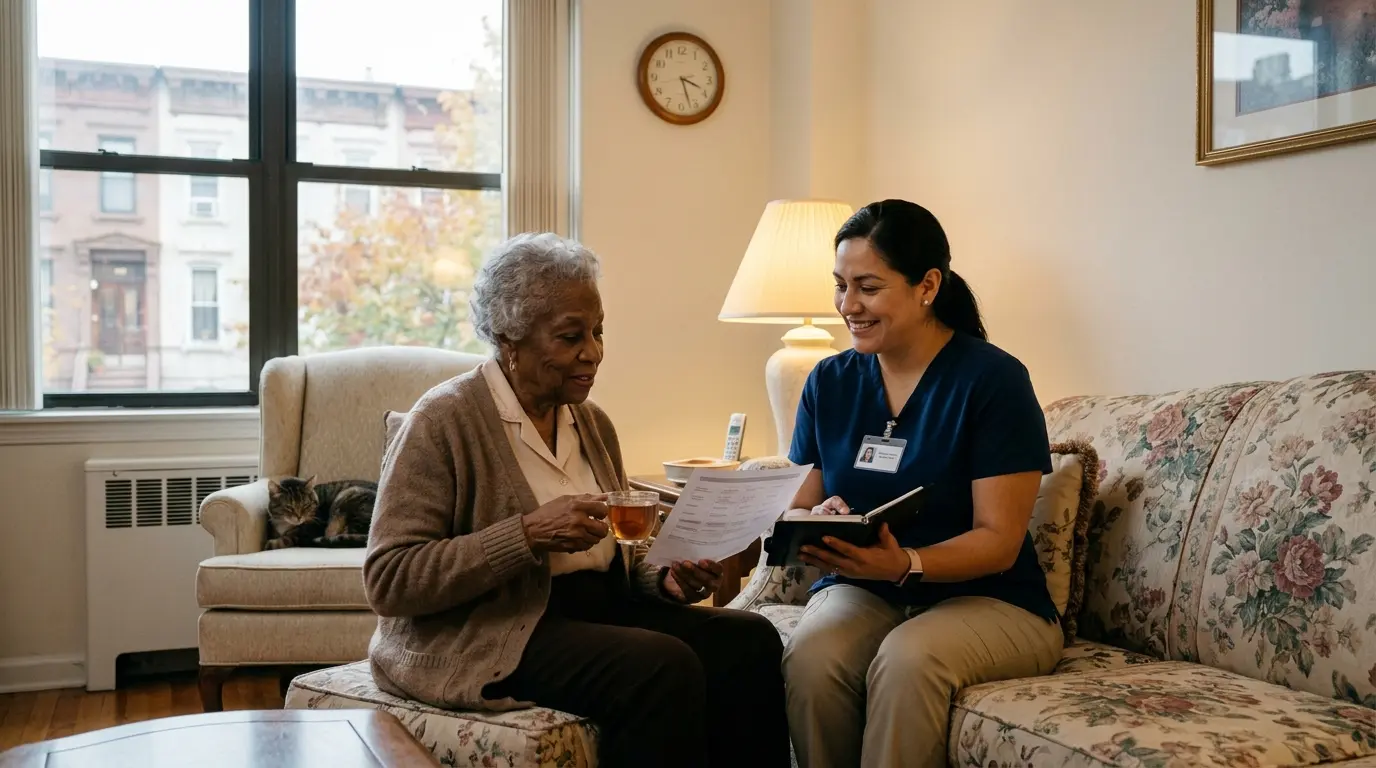
Home health care brings professional clinical and personal support directly into a patient’s home. Licensed nurses monitor vital signs, skilled aides assist with bathing and daily routines, and therapists help restore strength after a fall or surgery — all under a physician’s orders.
Non-medical services are also available, including companionship, light housekeeping, and meal preparation. Together, these options help Nassau County residents remain safe, comfortable, and independent — without relocating to a facility.
The goal is straightforward: safe, dignified care inside familiar surroundings.
Types of Home Care Services in Nassau County
Different situations call for different levels of support. Here is an overview of the most common services available to Nassau County seniors and their families.
Skilled Nursing Care at Home
Licensed nurses provide clinical monitoring and treatment in the home. Services include wound care, IV medication administration, injections, vital sign checks, and blood draws for lab testing. Physicians prescribe the frequency and type of visits, and Medicare often covers the cost.
Many patients actually heal faster at home than in a facility. Nassau County hospitals frequently discharge patients directly to skilled home nursing, reducing infection risk and avoiding costly readmissions following strokes, heart surgery, or severe infections.
Personal Care Assistance
A home health aide supports daily living activities that have become difficult or unsafe. This includes bathing, dressing, grooming, toileting, and meal preparation. Aides also handle light housekeeping, manage medication reminders, and alert supervising nurses to any changes in the patient’s condition.
It is important to note that aides do not perform medical procedures — they cannot administer injections or adjust medical devices. Those tasks require a licensed nurse.
Dementia Care Services
Caring for someone with memory loss requires a specialized skill set. Dementia-trained caregivers use validation techniques and gentle redirection rather than correction or argument. They build consistent, predictable routines that reduce anxiety and behavioral episodes.
Dementia care services in Nassau County often include practical home safety improvements — repositioning door locks, removing stove knobs, and installing wander alarms near exits. When evaluating agencies, ask about dementia-specific credentials and annual competency assessments. Strong agencies train and test their staff regularly.
Post-Surgery Home Care
After an operation, patients need careful monitoring during the recovery period. A visiting nurse inspects the incision daily, watches for early signs of infection, and ensures medications are taken on schedule. Physical therapy gradually rebuilds strength, while occupational therapy teaches safe movement techniques.
Joint replacement patients, in particular, often recover best at home. Nassau County hospitals routinely coordinate direct transitions from discharge to in-home care, cutting infection risk and eliminating unnecessary facility stays.
24-Hour Home Care
Some seniors require continuous supervision — due to advanced dementia, nighttime wandering, elevated fall risk, or complex medication schedules that run around the clock. Around-the-clock home care uses two aides rotating shifts to ensure an awake caregiver is always present.
Live-in arrangements are also available, where one aide stays onsite in a private room and responds to overnight needs. Live-in care typically costs less than rotating shift care but provides somewhat less overnight supervision.
For Nassau County families managing severe mobility limitations or late-stage dementia, 24-hour home care can prevent nursing home placement entirely — keeping loved ones safely at home for years.
The Role of a Home Health Aide
Home health aides provide hands-on support that directly improves safety and quality of life. Assistance with bathing lowers the risk of slips and falls. Help with dressing maintains comfort and dignity. Toileting support protects hygiene and overall health.
Beyond personal care, aides prepare simple meals, complete light housekeeping, and keep daily routines running smoothly. They build trusted relationships with their clients, notice early warning signs of health changes, and communicate those observations to the supervising nurse — often preventing a hospitalization before it happens.
For Nassau County families, consistent and compassionate aide support is frequently the difference between a loved one thriving at home and facing an unnecessary facility transfer.
Elderly Home Care: Supporting Daily Life
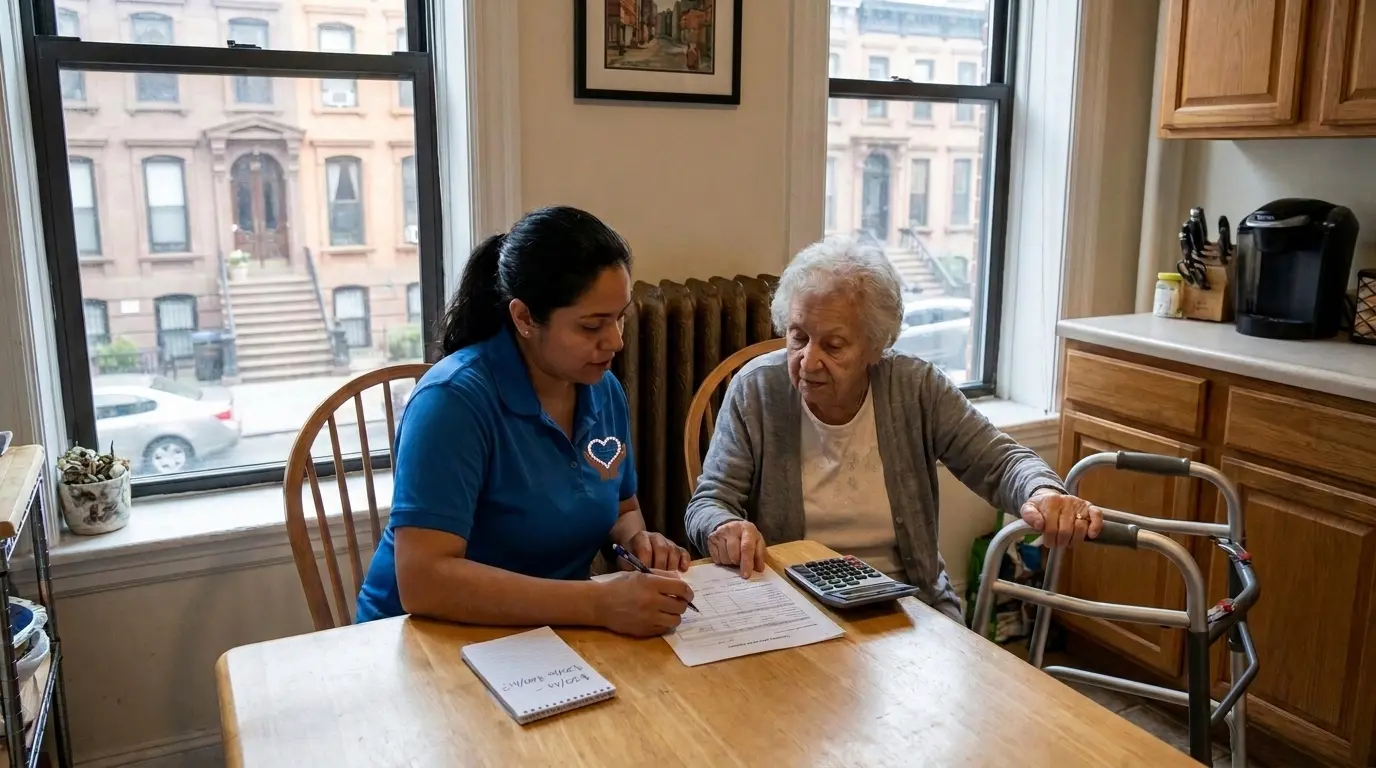
Older adults often need help with everyday tasks that have gradually become unsafe or unmanageable — grocery shopping, cooking, managing medications, and keeping up with household chores. In-home elder care addresses each of these areas.
A caregiver handles demanding chores, manages laundry, prepares nutritious meals, and organizes prescriptions. Transportation to doctor visits is coordinated without the stress of relying on family members or rideshares.
Seniors in Nassau County can maintain their usual routines, sleep in their own beds, and enjoy the small comforts of home — all while receiving the practical support they need to stay safe and well.
Nassau County Home Care: Local Resources for Families
Nassau County offers a strong network of free resources for family caregivers. Before making any decisions about home care, take advantage of these local services:
- Nassau County Office for Aging — Offers free consultations, provider referrals, and caregiver workshops covering medication management, fall prevention, and dementia communication. No obligation, just honest guidance.
- Area Agencies on Aging — Provide caregiver training and connect families with licensed local agencies.
- Senior Centers — Host ongoing caregiver support groups and community programs.
- Public Libraries — Carry memory care resources and local service directories.
- Hospital Discharge Planning Departments — Coordinate transitions from hospital to home care and can connect families with vetted providers quickly.
These organizations help families understand local regulations, identify licensed agencies, and navigate the care planning process with confidence.
Frequently Asked Questions
What does a home health aide actually do each day?
Aides assist with bathing, dressing, toileting, and eating. They prepare meals, handle light housekeeping, provide medication reminders, and report any health changes to a supervising nurse.
Is skilled nursing care at home different from personal care?
Yes. Skilled nursing involves licensed medical tasks — wound care, injections, and IV medications. Personal care assistance covers non-medical daily living activities. Nurses hold medical licenses; aides do not.
How does dementia care differ from standard senior care?
Dementia care uses memory-loss-specific techniques, including validation and redirection. Caregivers are trained to modify the home environment for safety. Standard senior care focuses on physical assistance but does not address cognitive support.
Can someone recover from surgery entirely at home?
Yes. Post-surgery home care provides skilled nursing visits, incision monitoring, pain management, and physical therapy. Most joint replacement patients recover fully at home with proper support.
What is the difference between 24-hour home care and live-in care?
Around-the-clock care uses awake staff on rotating shifts, ensuring someone is always alert. Live-in care has one aide who sleeps onsite and responds to overnight needs. Live-in arrangements cost less but offer lighter overnight supervision.
Does Nassau County offer free caregiver training?
Yes. The Nassau County Office for Aging provides free workshops on medication management, fall prevention, and dementia communication. Check their website for current schedules.
How quickly can home care services start?
Most licensed agencies begin services within 48 to 72 hours. Emergency placements can sometimes be arranged within 24 hours. Contact several providers to compare availability.
Conclusion:
Caring for an aging or recovering loved one is one of the most demanding responsibilities a family can face. The right home health care services make it manageable — and can transform the experience for everyone involved.
Start with a professional needs assessment to identify the right level of care. Match services to real medical and personal needs: skilled nursing for clinical conditions, personal care for daily living support, specialized dementia care for memory loss, post-surgery monitoring for recovery, and around-the-clock care for those who need continuous supervision.