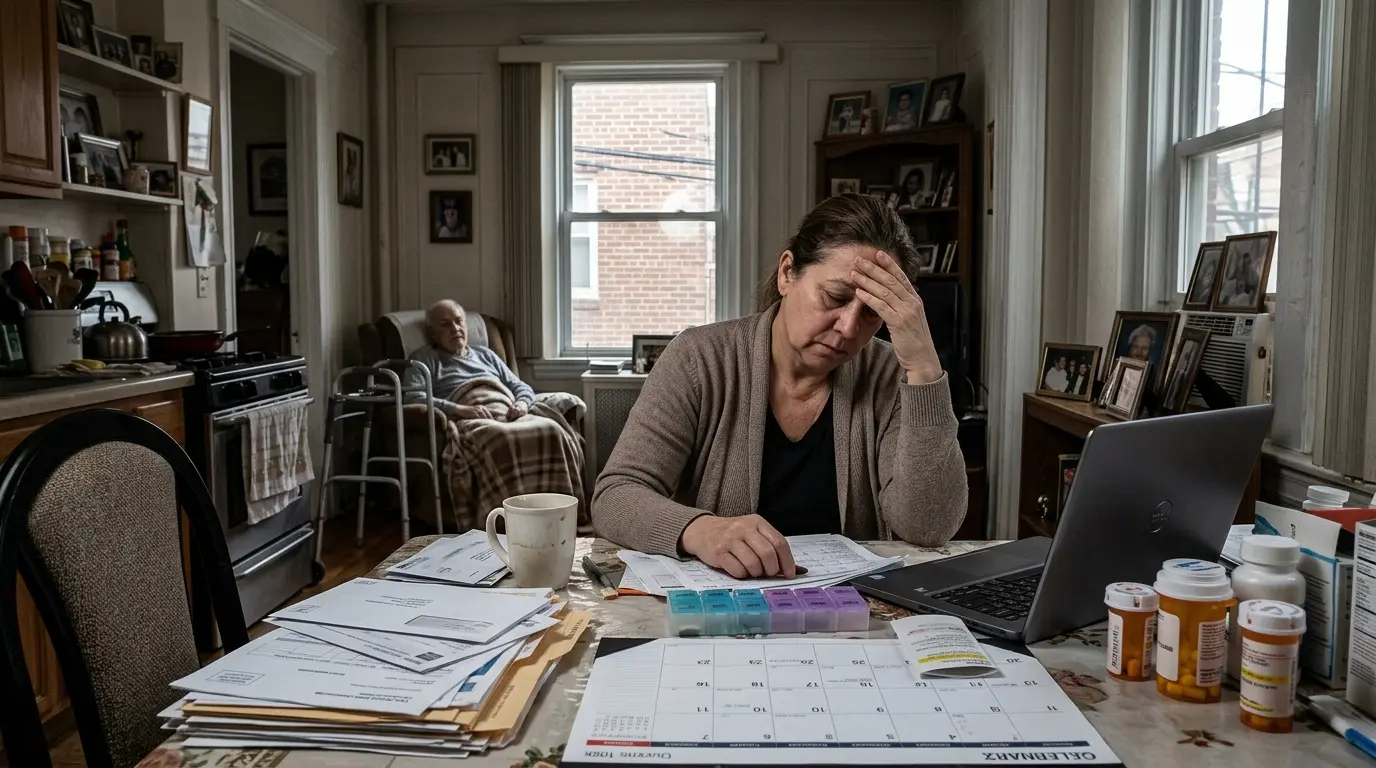
When someone gets very sick or has a serious accident, everything changes in a moment. Families rush to the hospital and often hear the word ICU. Most people feel scared because they do not fully understand what is happening or why the patient needs so much support at once.
Intensive care gives treatment to patients who are in a critical condition. Doctors and nurses closely watch the patient all the time and act fast when the body shows any sign of danger. This level of care helps patients stay stable when normal hospital care is not enough.
What Intensive Care Means in Hospitals
What ICU care actually does
Intensive care treats patients who need constant medical attention. Doctors use special machines and trained staff to keep the heart, lungs, and other organs working properly. The team checks every change in the patient’s body and responds without delay.
When people ask what intensive care is, it simply means a place in the hospital where patients receive nonstop care. The medical team works to keep the patient alive and stable until the body starts to recover on its own.
When doctors move patients to the ICU
Doctors send patients to intensive care when their condition gets serious or unstable. This often happens after a serious injury, a big operation, or a sudden health problem. The ICU helps when the body cannot function safely without support.
Common reasons include:
- Trouble breathing or lung failure
- Serious infections that spread quickly
- Major injuries from accidents
- Recovery after high-risk surgery
Inside the ICU Environment
Machines that support life
ICU rooms use advanced machines to track the patient’s condition every second. These machines show heart rate, oxygen level, and blood pressure. If something changes, alarms alert the staff immediately.
These tools help doctors act fast and prevent problems from getting worse. They support the patient’s body while the medical team treats the main illness.
How ICU nurses care for patients
An intensive care nurse stays with patients for long hours and watches them closely. They give medicines on time, check machines, and report changes to doctors.
A nurse in the intensive care unit also talks to families and explains the patient’s condition in simple words. They help families understand what is happening and what the next steps look like.
Types of Intensive Care
Adult ICU care
The adult ICU treats adult patients with serious health problems. These may include heart issues, breathing failure, or recovery after major surgery. Doctors focus on keeping the patient stable and preventing further damage.
Each patient gets a different care plan based on their condition. The medical team adjusts treatment as the patient’s body responds.

Pediatric intensive care for children
Pediatric intensive care treats children and babies who are very sick. Their bodies need special care because they react differently from adults.
What is pediatric intensive care means a unit designed for young patients. Doctors and nurses use smaller equipment and gentler treatment methods to support recovery.
Intensive Care Nursing and Patient Support
What ICU nurses do every day
Intensive care nursing involves full-time attention to critically ill patients. Nurses monitor vital signs, manage equipment, and give medicines exactly on time. They also respond quickly if the patient’s condition changes.
When people ask what intensive care nursing is, it means providing constant hands-on care that can directly affect survival and recovery.
Support for families
ICU care also includes emotional support for families. Nurses and doctors explain updates and help them understand the treatment process. This reduces confusion and fear during stressful moments.
Clear communication helps families stay connected to the patient’s progress, even when they cannot be in the room all the time.
Recovery and Care After ICU
Leaving the ICU
Doctors move patients out of the ICU when their condition becomes stable. This shows improvement, but the patient may still need time to fully recover.
Patients often need more rest, medication, and follow-up care after leaving intensive care. Recovery continues step by step.
Care at home after hospital discharge
After hospital care, many patients need help at home. They may need support with daily tasks, medicines, or movement during recovery.
Precious Pearl’s Homecare provides in-home caregiving, companionship, and daily living support. This helps patients recover safely in a familiar place with proper care and attention.
Conclusion
Intensive care saves lives when patients face serious health problems. Doctors, nurses, and machines all work together to support the body and give it a chance to heal. Every second matters in the ICU, and quick care often makes the difference. If a loved one is recovering after a critical illness and needs support at home, Precious Pearl Home Care is here to make that recovery easier and safer. For trusted assistance during your recovery journey and daily living needs, explore our services for reliable, compassionate home-based support.
FAQs
What is intensive care in simple words?
It is a special hospital unit where doctors and nurses care for very sick patients all the time using machines and close monitoring.
Why do patients go to the ICU?
Patients go to the ICU when their condition becomes serious, and they need constant support to keep their bodies stable.
What does an ICU nurse do?
An ICU nurse watches patients closely, gives medicine, checks machines, and informs doctors about any changes in the patient’s condition.
What is pediatric intensive care?
It is ICU care for children and babies who need special treatment and smaller medical equipment designed for their age.
Do patients recover after intensive care?
Yes, many patients recover fully, but some need extra time, rehabilitation, and home care support after leaving the hospital.