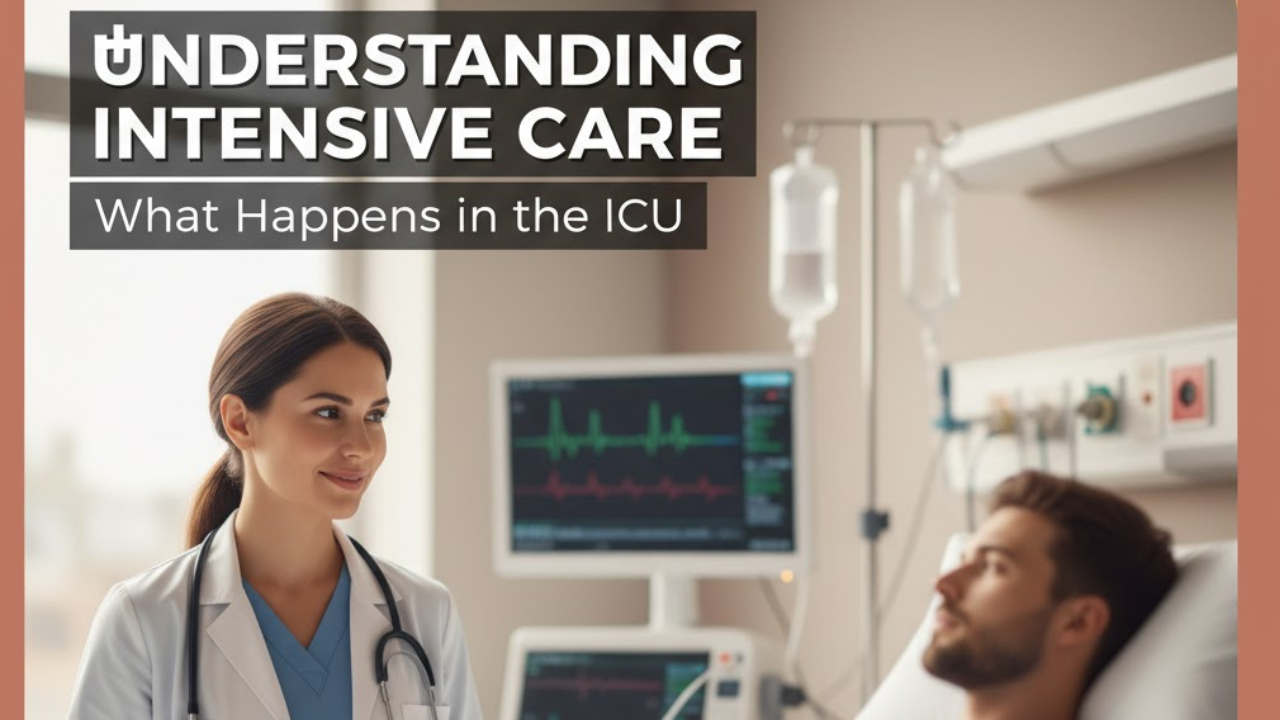
It’s a scary and confusing phenomenon when a friend or relative gets unconscious into the hospital and deposited in Intensive Care. The machines, the alarms and all the commotion around you may feel overwhelming, especially if you’ve never been in an intensive care unit before. But learning what goes on there, and why it’s so crucial, can put your mind at ease and make you a better source of support for your loved one.
The ICU (intensive care unit) is a section of the hospital that cares for and closely monitors patients who are very ill from illness, accident or surgery. Whether it’s a potentially life-threatening condition, just having had an accident or a result of undergoing major surgery, the ICU is equipped to offer around-the-clock medical attention with advanced apparatus and even that personal touch in human support.
What Is the ICU and Why It Crucial in Modern Healthcare
ICU stands for “Intensive Care Unit.” It’s a specialized department in a hospital that provides continuous medical care to people who are critically ill or unstable. An intensive care unit is what it sounds like: an area into which patients receive more intensive, constant and technologically advanced care than they would in the general-hospital wards.
What Does ICU Stand For in the Medical Field
Medically, an I.C.U. is an Intensive Care Unit it is also called critical care. These are run by doctors, nurses and therapists with the skills to deal with life-threatening conditions. The ICU medical environment is designed to respond instantly in crisis failure of the heart, loss of oxygen or failed part.
The Purpose of the Intensive Care Unit in Hospitals
An ICU is largely designed to care for critically ill patients. It is a facility that equips doctors with advanced machines to keep patients alive and treat complex conditions, from ventilators, infusion pumps and heart monitors. It is also where the most sophisticated choices are made about treatment whether to reduce medications, receive emergency procedures or track vital organ functioning.
Inside the Intensive Care Unit
What Happens When a Patient Is Admitted to the ICU
When you arrive in an ICU, a team of clinicians starts this thorough assessment right away. They take vital signs, run diagnostic tests and hook up the patient to life-sustaining devices when needed. It allows care to match each particular person’s special health care needs. For example, a person with a severe infection may require antibiotics and 24/7 monitoring of fluids while someone with heart problems might need constant tracking of their heart rhythm.
When you get to an I.C.U., a multidisciplinary team quickly start their elaborative evaluation to help inform the case. They take vital signs, perform tests and hook the patient to life-supporting machines if necessary. This makes care more customized for individuals’ particular health conditions. For example, someone with a serious infection may need antibiotics and 24/7 monitoring of fluids and an individual with heart problems might need to be monitored for the rhythm of their heart.
Common Treatments and Procedures in Intensive Care
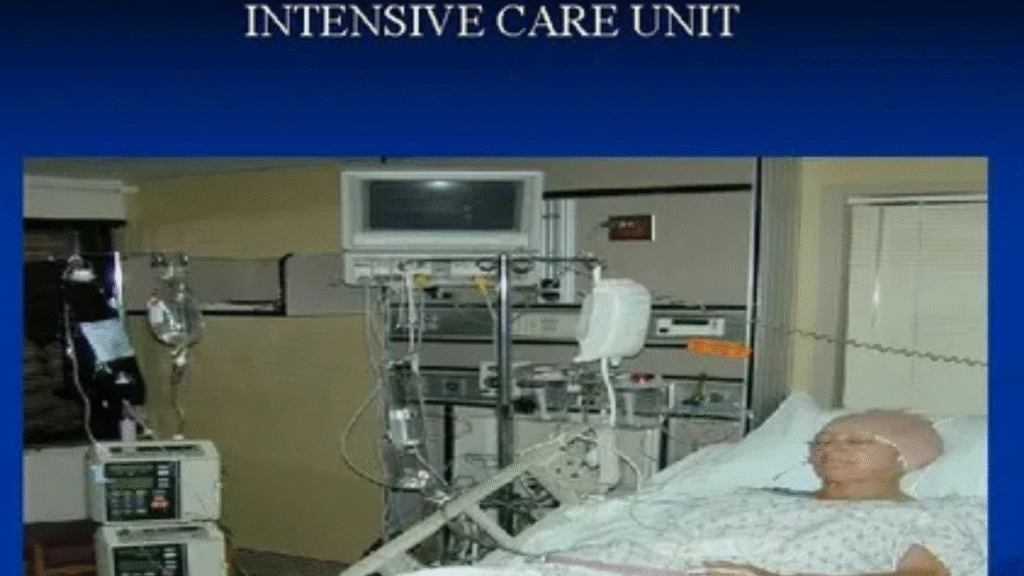
In the ICU patients are given medical services that are not provided in a normal ward. Among the more common treatments are mechanical ventilation, dialysis and infusions of intravenous medications. Their patients are monitored minute by minute in special suits that record each heartbeat, oxygen level and blood pressure change as it occurs.
How ICU Teams Monitor and Support Critically Ill Patients
Continuous measurement is absolutely part of the ICU. Like a heartbeat monitor, machines blink and beep with the patient’s heart rate, oxygen saturation and other vital stats. Nurses and doctors take different shifts so that someone is never too far away. This vigilant monitoring allows the ICU team to respond immediately if anything changes for the worse, even slightly.
Types of Intensive Care Units in Hospitals
Medical Intensive Care Unit (MICU)
The Medical Intensive Care Unit, or MICU, will be for patients with serious internal medicine problems like pneumonia, sepsis or kidney failure. These patients require continuous monitoring, IV medications and multiple subspecialist support.
Surgical Intensive Care Unit (SICU)
The Surgical Intensive Care Unit, or SICU, cares for patients who are recovering from major surgeries like heart operations or procedures on the brain. Here, the intention is to control pain, avoid infections and observe the healing process post-surgery.
Cardiac, Neonatal, and Pediatric ICUs
Certain ICUs are for specific patient populations. The Cardiac ICU is dedicated to heart-related issues like heart attacks or recovery from cardiac surgery. They both are relatively small NICU is a neonatal ICU this is where they take premature babies or sick newborns PICU was once called the Pediatric ICU – those children were very ill.
How ICU Types Differ Based on Patient Needs
Each type of ICU is designed for a particular patient condition. A patient suffering from cardiac arrest would need special cardiac monitoring, whereas a trauma patient may need clinical or surgical support. Their common goal is saving lives with timely intervention and specialized care.
The ICU Team — Experts Behind Critical Care
Roles of Doctors, Nurses, and Respiratory Therapists in the ICU
The ICU team consists of intensivists, as well as nurses, respiratory therapists and other staff. Bedside monitoring, administering medications and lending emotional support to patients and families are also often handled by nurses. Respiratory therapists manage ventilators and oxygen therapy while doctors make treatment decisions, coordinating care across specialties.
Importance of 24/7 Monitoring in Intensive Care
ICU staff work 24 hours a day, unlike the general ward of a hospital. Even tiny fluctuations in heart rate, oxygenation levels or blood pressure may reveal a big problem. It means you catch something and treat it right now.
How Multidisciplinary Teams Improve Patient Survival
No one manages ICU care by themselves. This is an interdisciplinary effort that draws on the knowledge and experience of nursing, medicine, pharmacy, nutrition, and therapy. This collaboration means that the whole person’s health care needs can be met, producing higher survival and recovery rates.
ICU vs. General Ward
The main difference between an I.C.U. and a typical hospital ward is intensity. In the ICU, one nurse might be responsible for just one or two patients, whereas on a general ward, they may oversee multiple cases simultaneously. In addition, ICU rooms are equipped with state-of-the-art instrumentation for continuous monitoring and emergency treatment.
ICUs are full of fancy machines that monitor each and every vital sign in real time. This technique helps doctors make fast decisions based on data. The ICU also can directly administer emergency medications, blood transfusions and life-support systems that are not available on general wards.
How Long Do Patients Usually Stay in the ICU
The duration of an ICU stay varies based on the shape of the patient. Some hospital patients may only need to be monitored for a day or two post-op, while others could require weeks of intensive support. Stabilization and safe movement to a lesser level of care is, as always are aims.
Advancements in ICU Care and Patient Recovery
These days, ICUs are increasingly relying on advanced technology like tele-ICU surveillance which allows experts to monitor patients from a distance and artificial intelligence (AI)-based alerts that can identify subtle health shifts before symptoms develop. They are tools to enable healthcare professionals to call faster and more accurately.
The Future of ICU Treatment and Critical Care Medicine
ICU care improves as technology progresses. Scientists are working on less invasive ways to monitor them, smarter ventilators and better ways to help those who might not be able to breathe all the way even after they recover. The future of ICU care is a patient-centered approach that aims not just at survival but also at life the quality after discharge.
Rehabilitation and Recovery After Leaving the ICU
Coming out of the ICU is something to start with. Physically, many patients require physical therapy, counseling and follow-up care to regain their strength and mental clarity. Post-ICU recovery programs in hospitals now assist patients with the physical and emotional aftermath of intensive care.
Conclusion
The Intensive Care Unit The ICU is arguably the most critical component of modern medicine. It is the place where lives are being saved every day by some of the most high-tech advances in medicine, expert care and tireless monitoring. As scary as it can be to visit a loved one in the ICU, knowing what goes on and how dedicated staff members are can actually bring comfort and reassurance.
For more on compassionate critical care and patient recovery, explore Precious Pearl Home Care for useful tips and family support.
FAQs
What is the ICU in hospitals?
The ICU, or Intensive Care Unit, is a hospital area that offers around-the-clock care for people who are very sick.
What does ICU stand for?
ICU is an abbreviation for Intensive Care Unit, a wing of the hospital set up with sophisticated medical aid for patients who require continuous surveillance.
What does “critical condition” mean?
“Critical condition” indicates that the patient’s vital signs are unstable and not within the normal limits, requiring intensive care support to prevent those values from becoming life-threatening.
What is the length of stay for patients in the I.C.U.?
That depends on the disease. A few stick around for a couple of days, while others require weeks of intense observation.
What happens in the ICU?
Patients are administered specialist treatments such as ventilation, IV medications and full monitoring by fully trained medical professionals.