The quality of care by nurses can save the life of a loved one who needs intensive care at home and result in a smooth recovery or severe complications. The home care provided by nurses introduces professional medical care into the homes of the patients and helps to bridge the gap between hospital care and home comfort. Through the home healthcare offered by licensed nurses, the family members have peace of mind, the patients get the hospital-standard care, and recovery becomes safer and more effective.
Not only do nurses with skills address medical needs, but they also give emotional support to the patients, educating their families on handling equipment, checking vital signs, and responding to emergencies. The significance of home nurses guarantees constant follow-ups, professional medical attention, and personalized care based on the state of a patient, and, therefore, the home is a safe and curative place.
Understanding At-Home Intensive Care Nursing.
Skilled nursing home services mimic hospital-level services in the comfort of the home of a patient. In contrast to the simplest forms of home care, which aim to tackle the needs of patients, i.e., in terms of day-to-day care, such as bathing or cooking, at-home intensive care nursing offers higher-level clinical care to patients with complicated health conditions. The duties that these nurses undertake are complex and demand expertise and care, and as a result, patients are given quality care around the clock, regardless of whether they are in a hospital facility or not.
Typical services include:
- Medication administration and IV therapy
- Continuous vital signs monitoring
- Wound and post-surgery care
- Ventilator and oxygen management
- Patient and family education
Registered nurse home monitoring gives the patient the advantage of professional supervision and the comfort of staying in a home that they know. This would not only improve the recovery outcomes but also help to avoid complications and lower the chances of a readmission to the hospital, which would offer more confidence to the family regarding the quality of care.
The Roles and Responsibilities of Skilled Nurses at Home
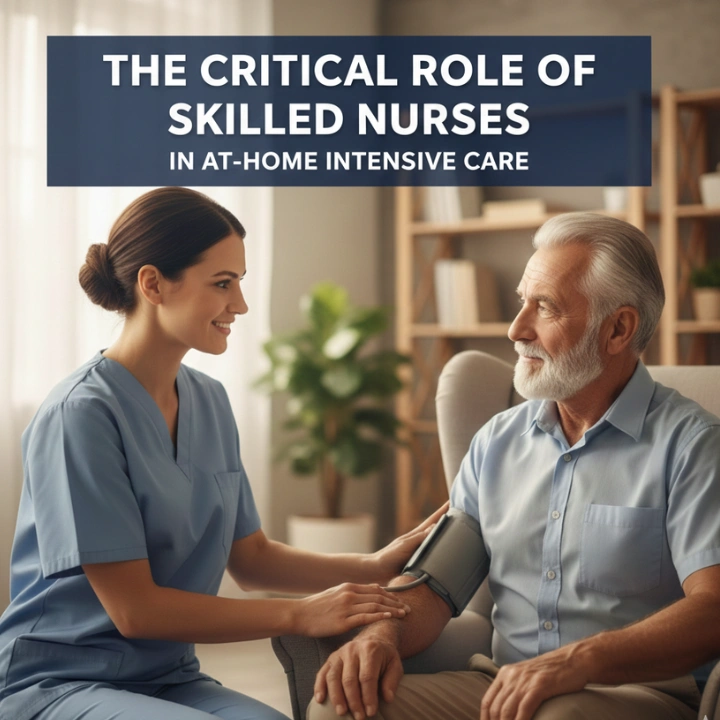
Experienced nurses undertake highly sensitive activities that guarantee the safety and comfort of patients. The day-to-day activities involve constant surveillance of the health status of the patient, administration of drugs and intravenous fluids, handling medical-specific devices like ventilators and intravenous pumps, talking to doctors, and instructing the relatives on safe practices. Such nurses are educated to respond promptly in case of an emergency, identify the initial signs of complications, and modify the care plan when necessary, which makes them an inalienable aspect of home intensive care.
Clinical Nursing Skills in the Home Environment
Professional nurses also introduce home-based knowledge with their hospital-level competence, meaning they will be able to check vital signs, provide medication management, and avoid infections using their clinical skills. Their presence means that patients with complicated medical requirements may get the same quality of care as they would in a hospital, although they still enjoy the comfort and familiarity of their own environment.
Bedside Care and Patient Comfort at Home
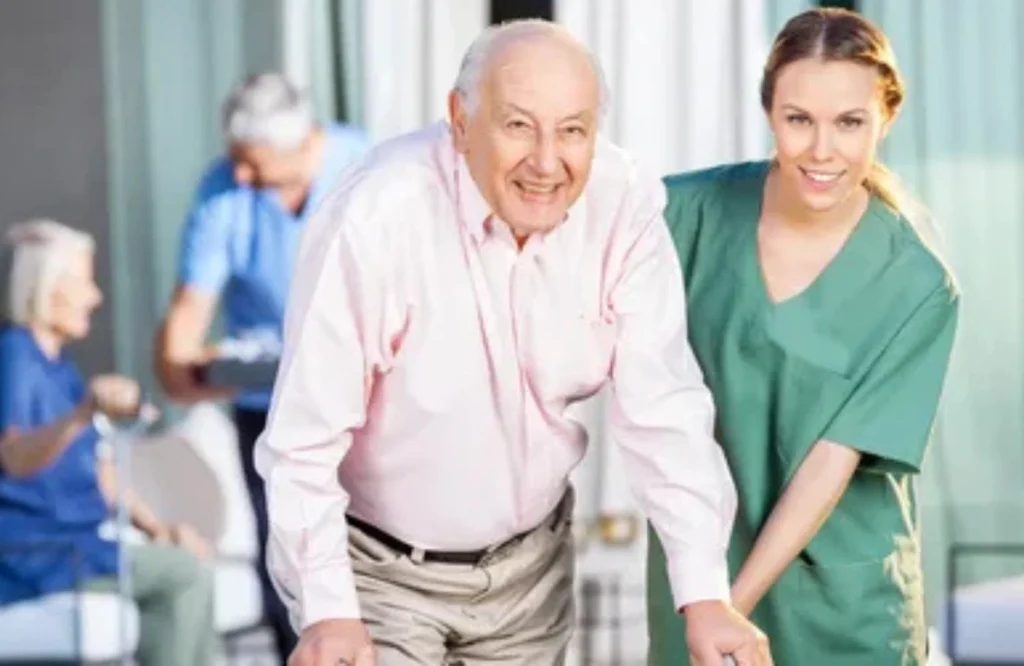
In addition to clinical duties, experienced nurses are concerned about the well-being of a patient and his or her comfort. They also assist in mobility, positioning, and routine activities of care in addition to offering reassurance and emotional support. Not only does this bedside care better the entire recovery process, but it also eases the stress level of the patients and their relatives as well; home recovery becomes a better experience
Why Skilled Nurses Are Critical for Home Intensive Care
The presence of trained and licensed nurses at the home is a big issue in influencing patient safety and recovery. The importance of skilled nurses to home intensive care can be explained by the fact that the results of patients who are attended to by skilled nurses and those attended to by untrained caregivers are quite different. Competent nurses decrease the possibility of complications, comply with to care plan, and provide direct response in case of an emergency. Their clinical judgment, as well as teaching and mentoring the family members, endears them as being invaluable to the establishment of a secure and successful home care setting. Having a critical care nurse in the home is not only a convenience, but in many cases, necessary in order to get the most possible recovery outcome.
Specialized Care Provided by At-Home Nurses
High-level skilled nurses in private positions supply a range of specialized medical activities that require long-term training and certification. These are ventilator and tracheostomy control, post-surgery check-in, wound care, pain control, drug adjustment, and crisis preparedness. These nurses are not only certified and trained but are under constant supervision so that they deliver home-based care equivalent to that of the hospital. Families will be confident that all the procedures are carried out in safe and efficient ways, and patients get professional care at any point of recovery.
Supporting Family Caregivers
The trained nurses are also very essential in assisting the family caregivers. They relieve stress and emotional load by providing guidance, practical training, and constant updates on the condition of the patient. Sharing of responsibilities makes nurses’ at-home care services make the families feel confident and informed, and makes the care routines safe, effective, and consistent. This support enables the families to concentrate on giving emotional comfort and companionship, and leave the more complex side of care to be dealt with by trained professionals.
Benefits of Choosing Professional Skilled Nursing at Home
There are many benefits of selecting the services of intensive care at home. Patients enjoy improved safety, 24/7 care, and customized care plans according to their individual needs. Mental well-being and less stress can also be enhanced by recovery in a comfortable environment at home, which contributes to quicker recovery. Also, home intensive care can be more economical than protracted hospitalization, but conducting clinical supervision. Families are reassured, patients obtain professional care, and the process of recovery is made more human, effective, and safe.
How to Get Started with At-Home Skilled Nursing
Home intensive care has obvious, systematic steps for beginning. Starting with a preliminary doctor examination and domestic assessment to determine patient needs. Second, choose a qualified, knowledgeable nurse who is knowledgeable in the necessary medical treatment. Prepare a care plan and have all the required equipment installed in the home to have it ready to receive specialized treatment. Lastly, keep a regular check, follow-ups, and modifications of the care plan. Our licensed nurses deliver professional care to your loved one in the comfort of their home, offer professional advice, 24/7 care, and assurance to help your loved one go through the recovery process.
Conclusion
The only thing that makes at-home intensive care effective is the competence of nurses who provide the home care. Their clinical, vigilant, and compassionate skills make their patients safe and give their families peace of mind. Professional nurses make homes their workplace by providing high-quality care and emotional support to patients and enabling them to recover in a comfortable and dignified atmosphere.
Make a step towards the recovery of your loved one today. Call Precious Pearls Home care and book an appointment with an expert to introduce a new level of hospital-like care, personalized service, and concerned service to your doorstep.
FAQs
They offer high-level medical services at home, such as monitoring, drug administration, and well-developed procedures.
Prescribing, trained specialists, who have undergone advanced training to treat complicated medical issues, are qualified to work with the patients, whereas general caregivers perform simple daily activities.
Yes, it is safe to use trained nurses to operate ventilators, tracheostomies, wound care, and other complex procedures at home.
They alleviate stress through educating the families, training them on the care practice, and giving them frequent updates on the patient’s condition.
Yes, it saves long hospitalization and still provides home-like care of hospital quality.
Yes, 24/7 care will be available depending on the needs of the patient.