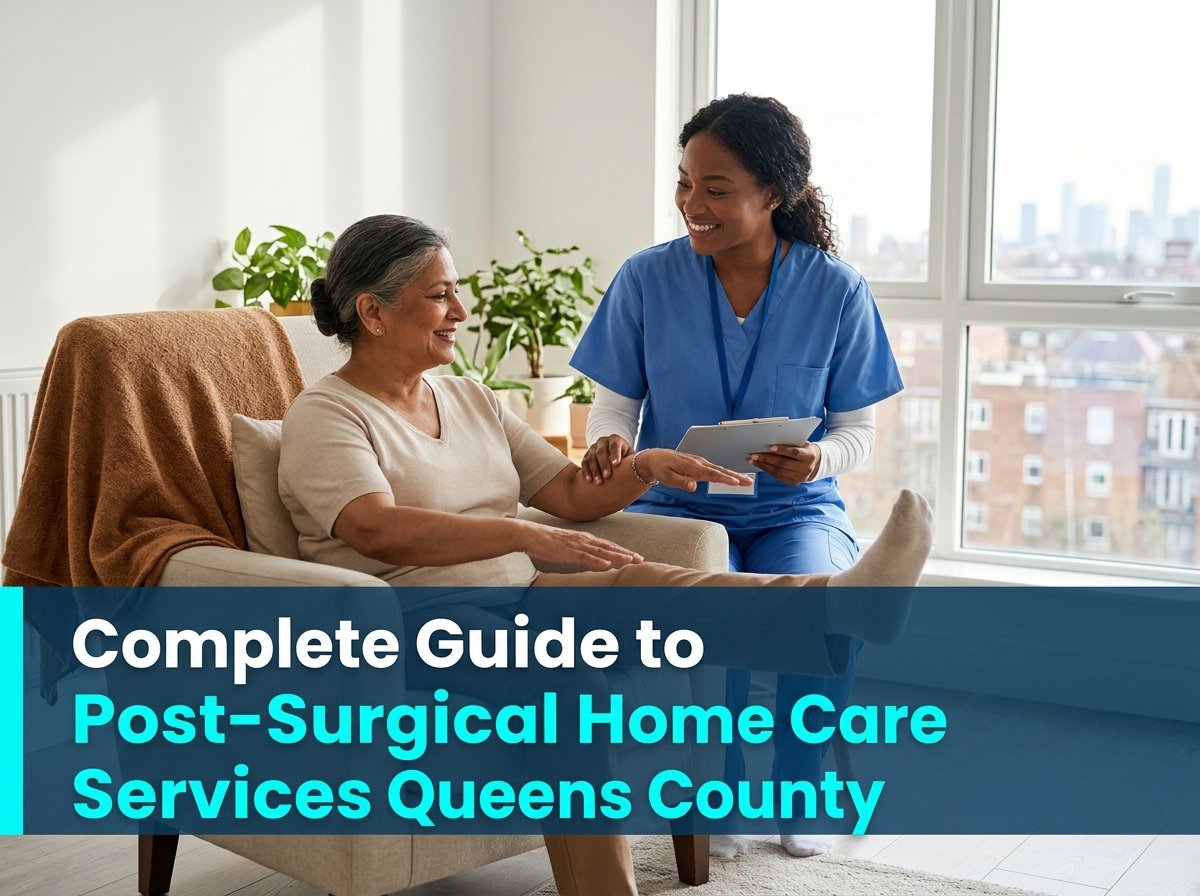
Getting out of the hospital after surgery is an important milestone, but it’s only the first step in your recovery. Surgical patients may be relieved to return home, but soon learn that there is more than resting in order to heal. Everything you do, from listening to your physician, controlling pain, preventing infection, and going for follow-up visits, leads to breaking through barriers.
Balancing this with work and day-to-day family commitments can be a juggle too far for many families. This is where post surgical home care services in Queens County can be useful. Having professional caregivers helps you to recover safely in a familiar environment that reduces stress and anxiety for the patient and those around them.
This guide tells you what to expect in recovery, how to prepare, and when professional care can make a difference post-surgery.
Why Recovering at Home Requires More Planning Than Many People Expect
Most surgeries, recovery takes place long after discharge from the hospital. Regardless of whether the surgery is major or minor, the body requires time, appropriate care, and a safe amount of comfort to recover.
During the first few days or weeks, many patients experience challenges such as:
- Limited mobility
- Pain and discomfort
- Difficulty completing daily routines
- Fatigue and reduced energy
- Medication schedules
- Temporary dependence on family members
Failure to address these challenges can make the healing process slower, and complications may increase in the future. If patients plan ahead, they can concentrate on recovery rather than dealing with hurdles that could be avoided.
| Recovery Tip: he most successful recoveries happen in a peaceful, clean, and organized home—and with care taken daily, just like with braces |
Preparing Your Home Before Surgery
If you prepare your home prior to discharge, recovery usually goes more smoothly. There are things to do around the house that make it more comfortable or help prevent falls or unnecessary strain on busy weeks.
Create a Comfortable Recovery Space
Choose an area where the patient can rest without needing to climb stairs repeatedly. Keep commonly used items within easy reach to reduce unnecessary movement.
Helpful items include:
- Extra pillows for support
- A bedside table for medications
- Phone charger within reach
- Water bottle and healthy snacks
- Don’t forget enough light during the day and at night.
Lowering Fall Dangers in the House
A lot of patients have temporary balance or mobility restrictions after an operation. Identifying and removing hazards makes recovery at home much safer.
Look around your home for:
- Loose rugs
- Electrical cords across walkways
- Cluttered hallways
- Slippery bathroom floors
- Poorly lit pathways
These small modifications can sometimes greatly improve the risk of preventable injuries.
Essential Supplies for Recovery at Home
Necessary Home Supplies After Recovery
Ensuring you have the correct supplies on hand prior to coming home means no unnecessary trips to a pharmacy or medical supply store.
| Recovery Essentials | Why They Matter |
| Prescription medications | Help manage pain and prevent complications |
| Wound dressing supplies | Support proper incision care |
| Thermometer | Help track possible signs of infection |
| Mobility aids | Improve safety while walking |
| Ice packs | Help reduce swelling and discomfort |
| Hand sanitizer and gloves | Promote infection prevention |
| Medical paperwork | Keep physician instructions easily accessible |
Some patients also might need home medical devices, as per the type of operation, such as a walker or even an adjustable bed. Your health care provider will recommend equipment depending on your needs.
The First Week After Surgery: What to Expect
The recovery timeline is different for each patient, but the first week is often the most important. The body starts healing what is broken and slowly comes back to regular activities.
Many patients experience:
- Swelling around the surgical area
- Mild to moderate pain
- Difficulty sleeping comfortably
- Reduced appetite
- Limited movement
- Low energy levels
These symptoms are often expected, but they should gradually improve as healing continues. Following directions from the physician will minimize the risk of surgical complications at this stage.
Daily Habits That Support a Faster Recovery
Recovering from surgery is not about staying in bed all day. Small, consistent habits usually lead to better outcomes than trying to do too much at once. Incorporating Physical therapy exercises into your recovery routine, as recommended by your healthcare provider, can help improve mobility, rebuild strength, and support a safer return to daily activities.
Stay Active Within Your Limits
If your physician agrees, the movement of light functions to increase circulation, decrease stiffness, and minimize the potential for blood clots.
Examples may include:
- Short walks around the home
- Gentle stretching exercises
- Physical therapy exercises
- Move around every now and then instead of staying in the same position for long periods
Always increase activity gradually rather than pushing yourself too quickly.
Prioritize Proper Nutrition
Recovery is also a time when your body needs additional nutrients to rebuild tissue and bolster the immune system.
Focus on foods rich in:
- Lean protein
- Fresh fruits
- Vegetables
- Whole grains
- Healthy fats
- Plenty of water
The right nutrition for recovery promotes the healing of wounds, helps to restore lost energy, and supports faster recovery.
Follow Medication Instructions Carefully
Pain management is an essential component of recovery, but medications should always be taken strictly as prescribed.
If you have several medications, keeping a written schedule can help prevent missed doses or double dosing by mistake.
And for families needing extra support during this phase providers with experience in in-home services, such as Precious Pearls Home Health Care, can keep patients on track with their daily routines and help them recover safely at home.
Recognizing Warning Signs That Need Medical Attention
You will definitely have some soreness after the surgery; however, there are several symptoms that should always be regarded with concern. Patients who can understand the difference between normal healing and complications are able to seek medical attention before a condition worsens.
Call your doctor if you observe:
- Increasing redness around the incision
- Swelling that continues to worsen
- Fever or chills
- Abnormal discharge or foul-smelling wound
- A single — but severe — pain that is unrelieved by medication
- Difficulty breathing or chest pain
- Persistent nausea or vomiting
Quick treatment actions can minimize the chances of infection and other complications that may slow down your recovery.

How Professional Home Care Can Support Recovery
Home care is most associated with personal care, but it can mean so much more. Professional post-surgical care services provide much wider support that allows patients to heal safely while adhering to their doctor’s orders.
Professional caregivers may assist with:
- Personal care and hygiene
- Mobility assistance around the home
- Medication reminders
- Meal preparation
- Light housekeeping
- Transportation to follow-up appointments
- Daily health monitoring
- Emotional support during recovery
This added help gives many patients and family caregivers one less thing to worry about, especially during the initial weeks following the procedure.
Supporting Recovery Without Slowing It Down
While family members are frequently eager to assist in any way that they can, providing care without proper planning can quickly become physically and emotionally demanding.
Ways family caregivers can help include:
- Encouraging patients to follow physician instructions
- Helping maintain a clean recovery environment
- Assisting with meals and hydration
- Monitoring recovery progress
- Providing encouragement throughout the healing process
- Coordinating transportation for medical visits
Eventually, when carrying out caregiving tasks becomes almost impossible for family members to accomplish on their own, home care support — even if only short-term — will allow loved ones the opportunity to put down their caregiver hats and spend time with their loved one.
Common Recovery Challenges and Practical Solutions
Every recovery journey is different, but several challenges are shared by many surgical patients.
| Common Challenge | Helpful Solution |
| Limited mobility | Use mobility aids and avoid unnecessary movement |
| Pain and discomfort | Follow prescribed pain management instructions |
| Difficulty preparing meals | Prepare meals in advance or arrange assistance |
| Medication schedules | Use reminders or written medication logs |
| Risk of falls | Remove hazards and keep walkways clear |
| Emotional stress | Stay connected with family and caregivers |
Tackling these issues early on often causes the patient to get back to their normal everyday life a lot more easily.
Creating a Recovery Schedule
A systematized daily structure assists patients in providing proper medication schedules, meal plans, appointment planning, or any prescribed workout.
A simple daily schedule may include:
| Time | Recovery Activity |
| Morning | Take medications, eat breakfast, check incision |
| Midday | Light walking or physical therapy exercises |
| Afternoon | Rest, hydrate, and eat a balanced meal |
| Evening | Personal care, medication if needed, prepare for sleep |
Having a predictable pattern stimulates healthy behaviors and allows one to track the recovery process more easily over time.
Questions to Ask Before Choosing a Home Care Provider
Care providers differ in the level of support they provide. By asking targeted questions prior to making a decision, families are able to select services that align with the patient’s medical needs.
Consider asking:
- What types of post-surgery rehabilitation at home do you provide?
- Are caregivers experienced with my type of surgical procedure?
- Can care plans be adjusted as recovery progresses?
- How are caregivers matched with patients?
- Is assistance available during evenings or weekends?
- How is communication handled with family members?
Selecting a provider that emphasizes tailored care plans, transparent communication, and reliable support can help ensure that the course of recovery is easier on all involved.
Frequently Asked Questions
How Long Does Recovery at Home Usually Take After Surgery?
How long it takes to recover depends on the type of surgery you have, your state of health, as well as your compliance with recommendations from your doctor. Some patients return to their normal routine within weeks, but some need many months.
Who Can Benefit From Home Healthcare After Surgery?
Many people benefit from home healthcare after surgery, including older adults, people recovering from orthopedic surgeries, the mobility-challenged, or those needing temporary assistance in performing necessary daily activities during the recovery period.
Can Professional Caregivers Help Prevent Complications?
Yes. Professional caregivers monitor recovery progress and encourage mobility within safety limits, assist with personal care, and watch for red flags that may need a doctor’s attention. Identifying challenges in advance may prevent complications.
How Can I Make My Home Safer Before Returning From the Hospital?
Preparing your home before surgery can make recovery much easier. Removing trip hazards, improving lighting, organizing frequently used items within easy reach, and arranging any necessary home medical equipment all contribute to a safer recovery environment.
Will I Still Need Follow-Up Appointments?
Getting your house ready for surgery will make recovery a lot simpler. These can include eliminating potential trip hazards, ensuring adequate lighting, making sure frequently used items are within reach, and preparing homes with any home medical equipment that may be needed.
What Should Family Members Do During the Recovery Period?
Family members and friends can help with meals, rides, reminders to take medications, household chores, and providing some emotional support. This means that when extra assistance is warranted, the combination of true family support and accompanying professional caregiving provides for the best recovery possible.
Ready to Recover Safely and Comfortably at Home?
Rest alone does not put you back in balance after surgery. These include a good home with no risk of complications, optimal analgesia outcome, feeding and mobilization support, as well as regular medical follow-up, which are all necessary conditions to improve the chances of success in recovery. It also relieves undue stress from patients and families when preparing for treatments.
If you or a loved one require reliable post-surgical care at home, then Precious Pearls Home Health Care is the answer. Our care teams support you through custom home help that encourages comfort, independence, and dignity along the entire recovery journey.
Contact us today to learn more about our post surgical home care services and discover how we can help make your recovery at home as safe and comfortable as possible.