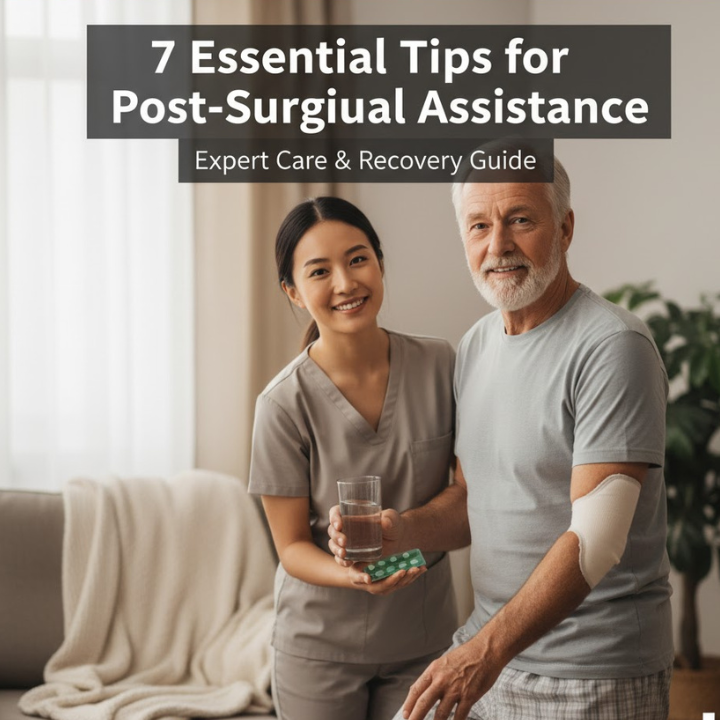
Recovering from surgery can be a long and challenging journey. Whether it’s a major procedure or a minor outpatient surgery, the post-operative phase is just as important as the surgery itself. Proper post-surgical assistance can make a huge difference in the recovery process, helping you heal faster, more comfortably, and with fewer complications.
Here in this blog, we are going to discuss seven secrets to post-surgery care that can ensure that you or your loved ones are able to recover. In the care of a patient after surgery, surgical recovery tips, etc., we will deconstruct some of the main aspects that must be included in any post-operative care plan. We will now explore practical measures that you can take in order to help your post-operative healing.
Why is Post-Surgical Assistance Important?
You should give your body time to heal and restore its power after having undergone surgery. Although your doctor or surgeon might provide you with instructions on how to take care of yourself, it is not always the case that you will not need supplementary assistance, particularly within the initial few days or weeks. It is here that post-surgical help is required.
Why Do You Need Post-Surgery Help?
The need for support of the surgical recovery continues to persist as it plays a key role in ensuring all difficulties or pain associated with the post-surgical recovery process are controlled. The body takes time to repair after surgery and may find it difficult or even be impossible to walk, bathe, get in and out of bed among others.
Postoperative care is also appropriate as it reduces the probability of complications like infections, blood clots, or various issues that undermine the repairing of the body. The post-surgery care and support are the good things to have so that recovery becomes smooth, comfortable, and after that faster.
What Does Post-Surgical Assistance Include?
The aftercare of a surgery is not only concerned with the pain treatment. It includes a set of interventions that would facilitate a physical recovery, keep an eye on the complications, and make sure that the healing process is going well. We will deconstruct the elements that post-surgical care consists of and why it is so significant.
What is Post-Operative Care?
Post-operative care is the process you undertake after surgery in order to get your body back to its former health. It has all sorts of activities that aid in managing pain, moving around, cleanliness, and making sure that you are progressing on with the recovery. Major components of post-surgery treatment are:
- Wound care: The Wound site needs to be clean and covered to avoid infection.
- Pain management: Self-administration of prescribed painkillers and pain management.
- Movement and exercise: Based on the recommendation for mobility and rehabilitation exercises to regain strength.
- Monitoring for complications: Observation of possible complications, infection, blood clot, or other issues that might occur in the postoperative period.
All these belong to post-surgical support, and they are expected to be customized in accordance with your surgery and recovery.

7 Essential Tips for Post-Surgical Assistance
We know the value of the post-surgery care, now we will examine seven main tips on how to guarantee a successful recovery process. These are after surgery tips, which aim to assist you in sailing through the healing period with confidence.
1. Follow Your Doctor’s Post-Op Care Guidelines
It is important to take care after surgery and follow the instructions of your doctor strictly. These rules are surgery-specific and needs-specific. Be it in terms of pain management, mobility or wound care, it is vital to follow such instructions to make the recovery successful.
2. Take Pain Medication as Prescribed
One of the major aspects of recovery is managing pain. Pain medication can help you remain comfortable and aid in recovery by taking medications as prescribed by your doctor. Remember that missing doses is not to be done even if you feel well because pain management is a continuous process during the first few days or weeks following surgery.
3. Stay Active with Rehabilitation Exercises
During the healing process your body, you should do the recommended rehabilitation exercises as prescribed by your health team. These activities can assist in restoring mobility, decreasing stiffness, and enhancing strength. A regular exercise program can prevent such complications as blood clots and speed up the healing process.
4. Prevent Blood Clots with Movement and Compression Garments
After surgery, there is likely to be an increased risk of the formation of blood clots, particularly in cases when your body has been on bed rest. To avoid this, perform some light exercises such as walking, or wear compression clothes that enhance healthy blood flow.
5. Monitor for Signs of Infection or Complications
It is essential to watch out for indicators of infection in the recovery process. Wound care involves cleaning and dressing the surgical area on a regular basis and checking for any abnormal symptoms such as redness, swelling, and discharge. In case of any indicators of infection or other complications such as acute pain, swelling, and so on, call your healthcare professional as soon as possible.
6. Get Adequate Rest and Sleep
The healing process requires enough rest. Short-term use of bed rest can be advised during the initial phases of recovery but it is necessary to balance it. Rest aids in the rebuilding of tissues, combating infections, and restoring the strength of your body. Make sure to sleep and take some breaks during the day.
7. Arrange for Home Care Assistance if Needed
In other cases, professional assistance from home health care is the best solution to recover after surgery. In case of mobility problems, medication or daily living problems then post-surgical care professional may be hired to give you additional assistance. A home care may be able to help you in your day-to-day tasks, provide company and keep your progress on track to help improve and ensure that all is working as it should.
Benefits of Post-Surgical Assistance
When the right post-surgical assistance is available, numerous benefits can be provided in the course of the recovery. Examples of primary benefits of post-surgery professional assistance include:
- Faster recovery: When taken care of, you will recover faster and prevent complications.
- Reduced risk of complications: With the help of professional care, such complications as infections or blood clots can be detected and prevented.
- Peace of mind: You can also be sure that you are getting the proper help and it is not as stressful because you know you have the right help.
- Improved comfort: With the help of someone to take care of mobility, medication, and daily activities, the healing process will become much easier.
Conclusion
The post-surgical support is the key to fast and efficient recovery. Adherence to post-operative care, pain management, activity through rehabilitation exercise, and proper follow up can greatly enhance the process of recovery. Do not be afraid of requesting the services of home health care professionals or caregivers, if needed, since they can save your day.
To explore more about post-surgical recovery and how home care can help with your recovery journey, visit Precious Pearl Home Care. We offer compassionate, personalized care to ensure your healing process is as smooth as possible.
FAQs
Pain management, complications prevention, and post-surgical assistance assist in controlling the pain, complications, and support the healing process.
Avoid blood clots by engaging in light exercise, wearing compression stockings and taking the prescribed instructions from your doctor.
In case of mobility problems, medication assistance, or day-to-day activities, you can plan home health care to help you.
Your medical practitioner should be contacted as soon as you begin to manifest any form of infection like redness, swelling, or an unwanted discharge in the wound.
Do as your physician has instructed in regard to exercises to strengthen and restore your health, rest and keep yourself hydrated.