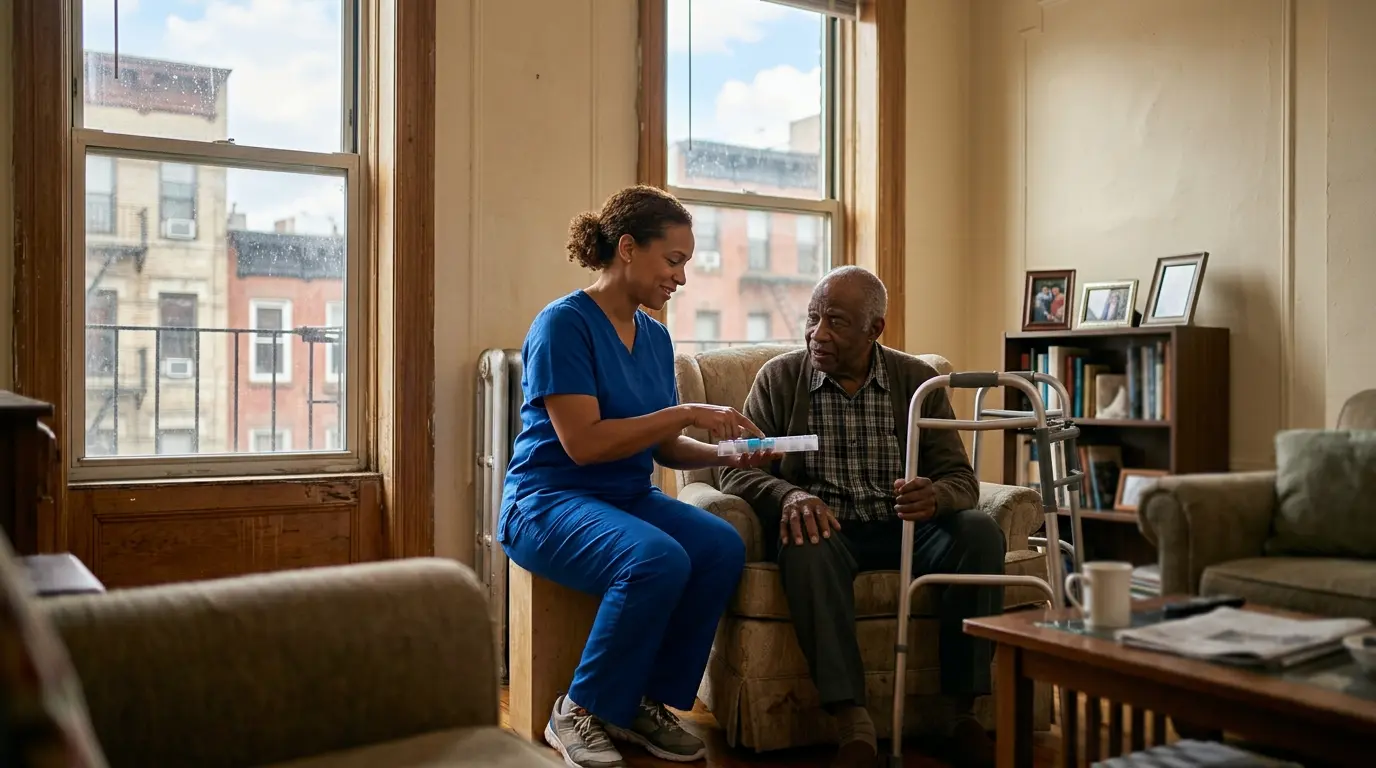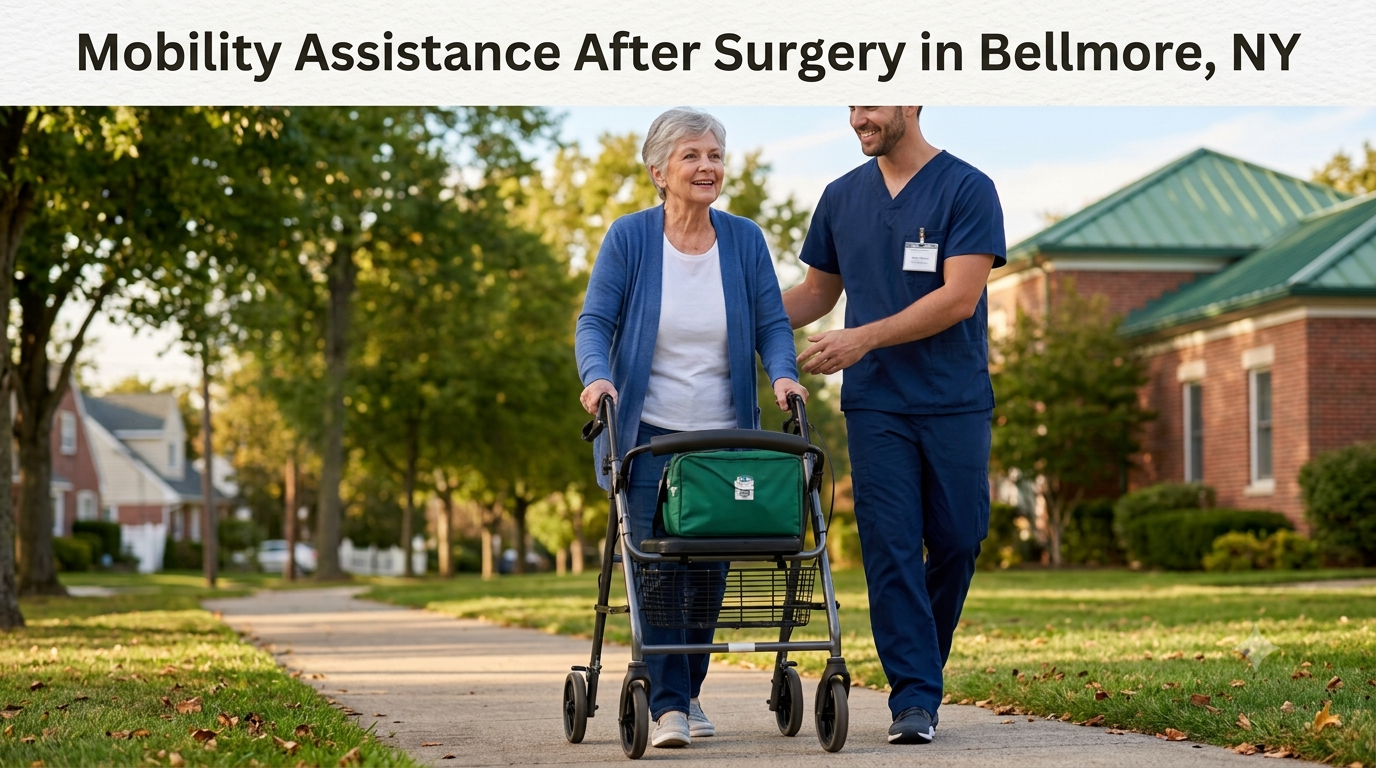
Recovering from surgery can make simple movements feel difficult. Walking, getting out of bed, and climbing stairs may require extra effort during the healing process. Mobility Assistance After Surgery Bellmore NY helps patients move safely while rebuilding strength and confidence. Professional support can reduce the risk of falls, encourage healthy recovery, and make daily life easier during the weeks following a surgical procedure.
Why Is Mobility Important After Surgery?
Movement is often an important part of the recovery process. While rest is necessary, staying completely inactive for long periods can slow healing and create other health concerns.
Doctors often recommend light movement soon after surgery. Safe activity helps improve circulation, maintain muscle strength, and reduce stiffness. Patients who receive proper mobility support are often able to recover more comfortably and return to normal routines sooner.
The right balance between rest and movement can make a significant difference during recovery. Professional assistance helps patients stay active without pushing beyond their limits.
What Is Mobility Assistance After Surgery?
Mobility Assistance After Surgery Bellmore NY involves helping patients move safely while they recover at home. As part of Post Surgical Assistance, services are tailored to each person’s condition, medical instructions, and recovery goals.
Support may include assistance with walking, transfers, balance, and daily movement. Post Surgical Assistance caregivers and healthcare professionals help patients navigate their homes while reducing physical strain.
This type of care is especially helpful for individuals recovering from major procedures or those who have temporary mobility limitations after surgery. With professional Post Surgical Assistance, patients receive the guidance and support they need to recover safely while gradually regaining strength and independence.
Who Benefits from Post Surgery Mobility Support?
Many people can benefit from Post Surgery Mobility Support. Recovery needs vary based on age, health, and the type of surgery performed.
Patients Recovering from Orthopedic Surgery
Joint replacements, spinal procedures, and fracture repairs often affect mobility. Patients may need help walking safely while their bodies heal.
Mobility support can help them follow rehabilitation plans and regain independence over time.
Seniors Recovering from Surgery
Older adults may experience slower recovery and increased balance challenges. Assistance with movement helps reduce fall risks and promotes safer healing.
Professional support also gives families peace of mind during the recovery period.
Individuals with Temporary Physical Limitations
Even younger adults may struggle with movement after surgery. Pain, weakness, or activity restrictions can make everyday tasks difficult.
Mobility assistance provides support until normal movement returns.
How Does Walking Assistance After Surgery Help Recovery?
Walking is often one of the first activities patients resume after surgery. However, doing so safely is essential. As part of post surgery home care patients are encouraged to follow their healthcare provider’s recommendations to support healing while reducing the risk of falls or complications.
Improves Circulation
Regular movement encourages healthy blood flow throughout the body. Good circulation helps deliver oxygen and nutrients needed for healing.
Walking can also reduce the risk of certain complications associated with prolonged inactivity.
Builds Strength Gradually
Muscles can weaken during recovery if they are not used. Controlled movement helps patients maintain and rebuild strength over time.
Walking Assistance After Surgery allows patients to stay active while avoiding unnecessary strain.
Increases Confidence
Many people feel nervous about moving after surgery. Fear of pain or falling can limit activity and slow progress.
Having someone nearby for support helps patients feel more secure and willing to participate in recommended movement routines.
What Services Are Included in Recovery Mobility Care?
Recovery Mobility Care includes a range of services designed to support safe movement and independence during healing.
Walking Assistance
Caregivers help patients move safely around their homes. This may include support while walking indoors, outdoors, or during prescribed exercise routines.
Patients receive encouragement while maintaining safety and following medical recommendations.
Transfer Assistance
Getting in and out of bed, chairs, or vehicles can be difficult after surgery. Proper transfer techniques reduce strain and lower the risk of injury.
Professional assistance helps patients perform these movements safely.
Stair Navigation Support
Stairs can present challenges during recovery. Many patients require guidance and support while navigating steps.
Mobility professionals help patients move safely while following physician-approved activity guidelines.
Daily Movement Support
Simple tasks such as reaching for items, moving around the house, or completing personal activities may require assistance.
Support with daily movement helps patients remain comfortable and active throughout recovery.
Why Is Rehabilitation Support Important After Surgery?
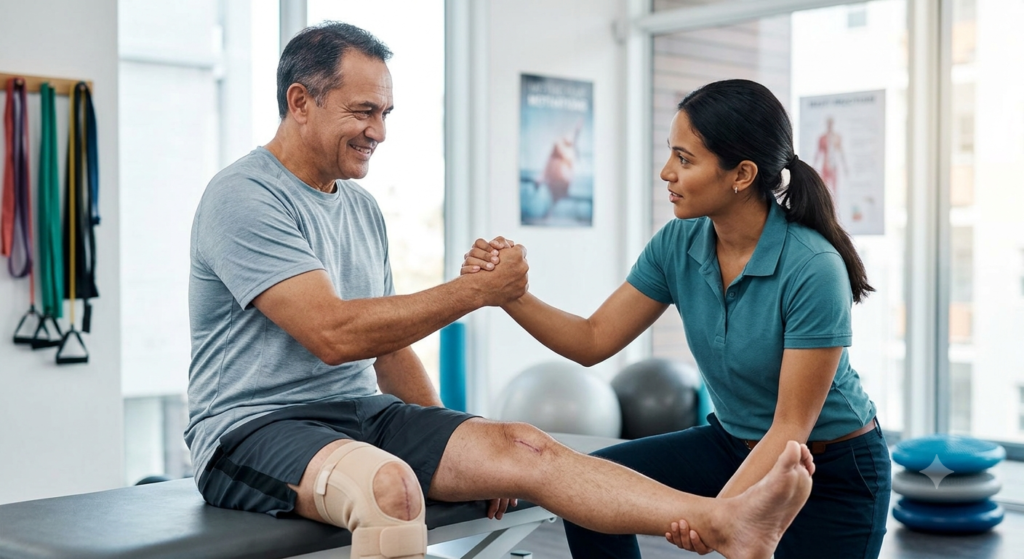
Recovery often involves more than healing from the surgical procedure itself. Patients must also rebuild mobility, strength, and endurance through consistent recovery activities.
Rehabilitation Support Bellmore helps individuals work toward these goals in a safe and structured manner. Consistent Recovery activities encourage progress while reducing the risk of setbacks.
Professional support ensures that recovery activities align with medical recommendations. This helps patients regain independence without overexerting themselves.
Encourages Healthy Recovery Habits
Recovery requires consistency. Following movement guidelines each day helps patients progress steadily.
Support professionals provide reminders, encouragement, and practical assistance that help patients stay committed to their recovery plans.
Helps Prevent Setbacks
Moving too much or too little can create challenges during recovery. Professional guidance helps patients find the right balance.
This structured approach may reduce the risk of falls, injuries, or delayed healing.
What Challenges Can Patients Face Without Mobility Support?
Many patients underestimate how difficult recovery can be. Limited mobility affects more than just walking.
Pain, fatigue, and weakness can make routine tasks feel overwhelming. Without proper support, patients may avoid movement altogether. This can slow recovery and increase dependence on others.
Some individuals also face emotional challenges during recovery. Frustration and fear can develop when mobility is restricted. Having assistance available provides reassurance and helps patients stay motivated.
How Does Home-Based Mobility Assistance Improve Quality of Life?
Receiving mobility support at home offers several benefits. Patients can recover in familiar surroundings while receiving personalized attention.
Greater Comfort
Home environments are often more relaxing than medical facilities. Patients can follow recovery plans without leaving the comfort of their homes.
This familiar setting can reduce stress and improve overall well-being.
Personalized Care
Every recovery journey is different. Home-based support focuses on the patient’s specific needs and goals.
Care plans can be adjusted as strength and mobility improve.
Reduced Family Stress
Family members often want to help but may not know the safest ways to assist with mobility.
Professional support reduces this burden while helping loved ones feel more confident about the patient’s recovery.
Why Bellmore Residents Choose Recovery Mobility Care
Families throughout Bellmore understand the value of professional mobility assistance after surgery. Mobility Assistance After Surgery Bellmore NY helps patients regain independence while reducing recovery-related risks.
Local support services provide personalized care that fits each patient’s situation. Whether recovery lasts a few weeks or several months, mobility assistance helps patients stay active and safe throughout the healing process.
Many Bellmore residents appreciate the convenience of receiving support at home. This approach combines comfort, safety, and professional guidance during an important stage of recovery.
What to Expect During the Recovery Process
Recovery timelines vary from person to person. Factors such as age, overall health, and the type of surgery all play a role.
Most patients gradually increase activity levels as healing progresses. Mobility assistance helps make this transition smoother by providing support at each stage.
The ultimate goal is to help patients regain confidence, improve movement, and return to their normal routines safely. With proper guidance and consistent effort, recovery becomes more manageable and less stressful.
FAQ
What is mobility assistance after surgery?
Mobility Assistance After Surgery Bellmore NY helps patients move safely during recovery. Services may include walking support, transfer assistance, stair navigation, and daily movement guidance. The goal is to reduce fall risks while helping patients regain strength and independence.
Who can benefit from post surgery mobility support?
Post Surgery Mobility Support is helpful for patients recovering from orthopedic procedures, abdominal surgeries, cardiac operations, and other medical treatments. Seniors and individuals with temporary mobility limitations often benefit from professional assistance during recovery.
Why is walking important after surgery?
Walking Assistance After Surgery helps patients stay active while following medical recommendations. Walking can improve circulation, support muscle strength, reduce stiffness, and encourage healing. Safe movement also helps patients regain confidence during recovery.
What does rehabilitation support include?
Rehabilitation Support Bellmore may include mobility guidance, transfer assistance, walking support, activity monitoring, and encouragement throughout the recovery process. Services are tailored to each patient’s needs and recovery goals.
Can mobility assistance help prevent falls?
Yes. Professional mobility support helps patients move safely while recovering from surgery. Caregivers provide assistance with balance, walking, and transfers, which can reduce the risk of falls and other injuries during the healing period.
How long will recovery mobility care be needed?
The duration of Recovery Mobility Care depends on the surgery performed, overall health, and recovery progress. Some patients need support for a few weeks, while others may require assistance for several months as they regain strength and mobility.