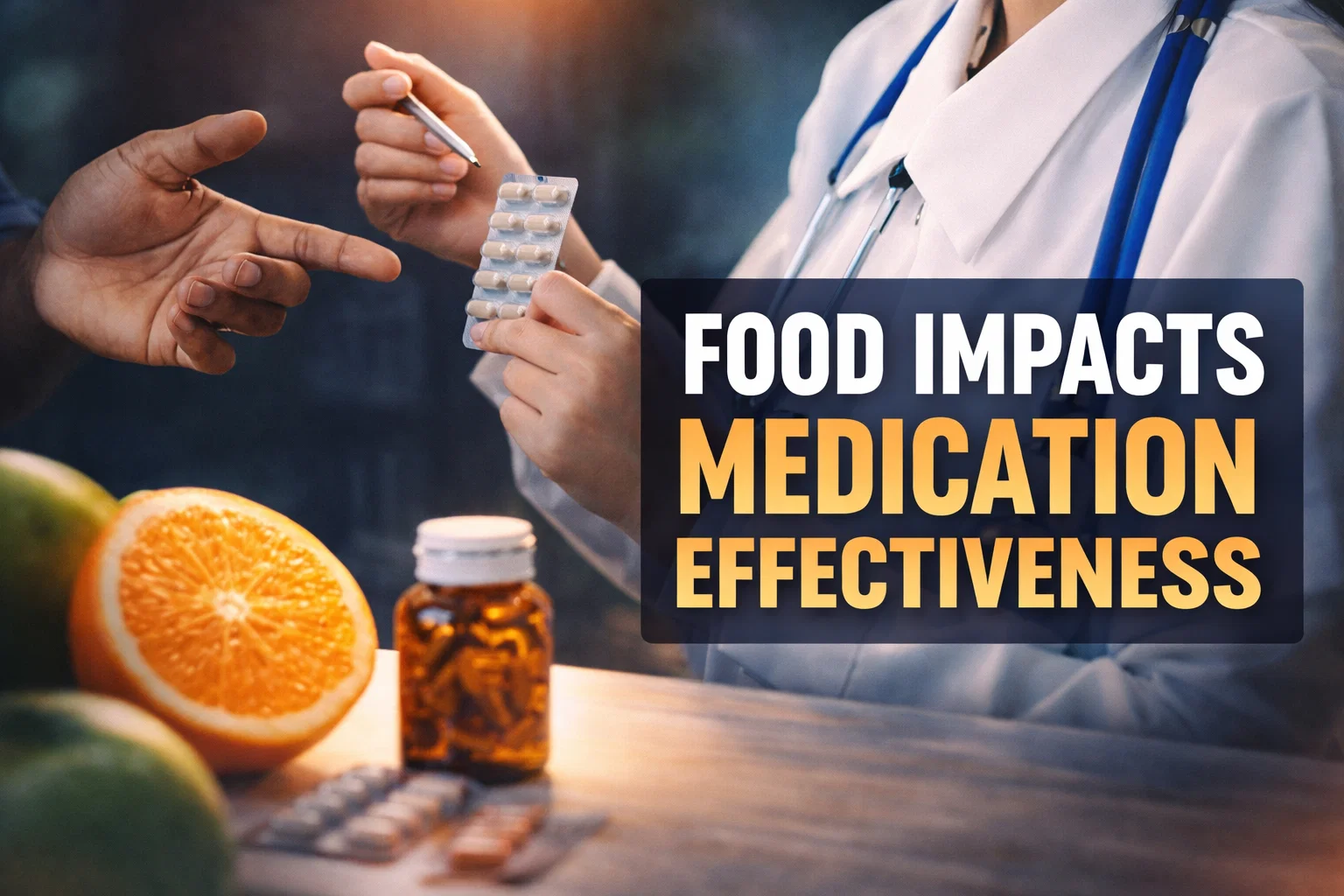
You understand how it feels when your drugs are not functional? It couldn’t be the pills; it could be what you ate. Fourthly, the kind of food you consume may either enhance or interfere with the efficacy of your drugs, in some cases, in a drastic way. A single bite of the wrong thing, and it all goes wrong in your treatment plan.
This full-fledged manual on food and drug interactions simplifies the process. We will discuss the effect of food on medication performance, time, and practical examples in order to maximize your health. Always chat with your doctor, pharmacist or dietician for personal advice; they’re the pros.
Why Food Matters: Understanding Food-Drug Interactions
Did you ever ask yourself why the doctor instructs you to take it with food or not to take that juice? It is everything about food medication effectiveness guide fundamentals. Food alters the manner in which your body combats drugs, whether it is mixing it in your stomach or soaking it in your blood.
Imagine your gut is a traffic road. Food may facilitate traffic or slow it down or even block traffic lanes. This food drug interactions full guide explains why attention is important, and this may result in quicker remedy or avoiding side effects.
What Happens in Your Body: Key Ways Food Interferes
Food does not merely saturate you, it interferes with drugs in insidious ways. Fatty food may find pills as grease on a pan and slow off the whole process. The fiber is a sponge that gets the nutrients and drugs before they are absorbed.
The role of your stomach is to digest food and drugs. There is a shift in the level of acid, enzymes, and the rate of emptying all related to meals. This drug nutrient interaction guide is provided step by step, and thus you get the whole picture.
How Food Affects Medication Absorption: The Deep Dive
Now, we will enter the core of the question of the influence of food on medication. It is your primary food-drug interaction guide to food and drug interaction science, why your breakfast selection can affect or break your medications. We will have it in little bits with practical examples, no mumps.
Where Absorption Really Starts
The action of absorption commences in your mouth but is properly set in the stomach and the intestines. The drugs get into your blood after being dissolved in stomach juices and they pass through the gut wall. Here, food tosses curve balls, interfering with the entire process.
Solubility Changes: Fat’s Double-Edged Sword
There are drugs that require an acidic stomach so that they can be dissolved. The acid is weakened by fatty foods. Use an antifungal, griseofulvin, which does not get readily absorbed without the presence of fat (via which it gets absorbed).
Turn it around: Fatty food decelerates the uptake of medication, such as antibiotics or AIDS drugs. A burger before your pill? It may slow down peak levels by several hours, making the dose weak. This is important in any guide to drug nutrient interactions.
Gastric Emptying Speed: Fast Track vs. Traffic Jam
Empty stomach? Food passes along at a high speed, superior to rapidly-acting drugs. Full belly? It slows to a crawl. Diabetes drugs such as metformin are more effective when taken with food to prevent stomach upsets, and statins such as lovastatin are increased twofold when taken empty.
Tests of the FDA indicate that heavy fat meals reduced the peaks of certain drugs by half. That is why it is so important to take medication at the time of meals.
Intestinal Absorption Tricks: The Gut’s Tiny Doors
Transporters, small drug and nutrient doors, are on your gut. They contain oats, which contain fiber, thus bind with minerals, preventing meds. Bran cereal reduces the uptake of iron pills by 70%.
Calcium interferes with the antibiotics; the calcium in dairy is bound to tetracyclines, reducing absorption by 60-90%. A mere mental image is as follows: Arrow mouth stomach (fasting on empty), then intestines (slows fat), blood (full absorption).
Grapefruit’s Enzyme Block: The Famous Supercharger
Foods such as grapefruit inhibit the CYP3A4 enzymes in the intestines, which overcharge medications such as statins and cause toxicity. The juice contains furanocoumarins which prevent gut enzymes, spiking drugs 85+ statins (heart problems), calcium blockers (blood pressure crashes), even antidepressants. A single glass corresponds to 36 hours of enzyme. shutdown- best territory of grapefruit drug interactions.
High-Fat Meals: The Great Delay
Foods rich in fat slow down such drugs as atazanavir (HIV) or ketoconazole (antifungal). According to research carried out at Clinical Pharmacology, fatty breakfasts reduced blood levels by half. Burger before your pill? The weakened protection hours.
Fiber-Rich Foods: The Trapping Effect
Diets high in fiber entrap levothyroxine (thyroid) or lithium. Whole grains cut absorption by 20-30%. Oats and bran are sponges for minerals, as well, bran cereal iron pills? 70 per cent lower absorption.
Calcium and Dairy: Antibiotic Killers
The effects of calcium drug absorption are hard to determine. Calcium in dairy chelates quinolones such as ciprofloxacin or tetracyclines, 60-90% fall. The meaning of dairy antibiotics interaction = cheese before doxycycline = poor results. Take 2 hours apart.
Vitamin K vs. Blood Thinners: The Green Leafy Clash
Warfarin should not interact with the vitamin K blood thinner. Spinach and kale contain vitamin K, which opposes the slowing of clotting of warfarin. Constant consumption is also important; abrupt changes in diet increase the risk of clots.
Other Sneaky Conflicts
- Acidic foods: Orange juice helps in increasing some antibiotics and irritates NSAIDs.
- Foods that contain high amounts of tyramine (aged cheese): Interact with MAOIs when treating depression, and may cause blood pressure to become high.
- Alcohol: Boosts sedatives, strains the liver using acetaminophen.
- Protein shakes: Competitors of some meds.
Empty Stomach Medication Rules You Need
Such drugs as bisphosphonates (to build the bones) require 30-60 minutes before meals. Why? The meals containing calcium prevent them altogether.
Polypharmacy Risks for Chronic Conditions
Several drugs = several conflicts. Polypharmacy is dangerous, particularly in long term users with 5 or more prescriptions.
Smart Timing Tips That Work
Medication timing with meals matters:
- Morning medicines: Forget coffee it hastens emptying in some, retards in others.
- Evening: Snack light such as irritants such as ibuprofen.
- Record it: Food, medications, impact. It can be done with the help of apps such as Medisafe.
The Bottom Line on How Food Affects Medication Absorption
Food isn’t neutral. It may reduce efficiency by 20-90% or increase it exponentially. This full food and drug interaction guide would prepare you with knowledge, however, it is best to combine it with a professional recommendation of your doctor or pharmacist.
Common Foods to Avoid When Taking Medications + Timing Tips
It is a headache to know which foods to avoid taking medications. Here’s a quick list of high-risk ones:
- Grapefruit and juice: It is advisable to avoid statins, blood pressure drugs, grapefruit interactions increase levels to dangerous levels.
- Dairy products: Avoid milk, yogurt containing antibiotics. The effects of calcium on drug absorption and the interaction of dairy antibiotics decrease absorption.
- Leafy greens: Kale, spinach cannot interact with warfarin, blood thinner, dosing is askew.
- Fatty food: Fry does not go well with some antivirals or antifungals.
- Alcohol: Does not get along with painkillers, tranquilizers, drowsiness.
- Fortified juices or high-fiber: Block minerals, thyroid meds.
Ignore these? Side effects, such as nausea, poor protection, or the risk of overdose, increase.
Best tips to take medication with food (strategies of timing medication with food):
- Empty stomach (1 hour before /2 after meals): antibiotics, thyroid, osteoporosis medications.
- With food Aspirin, ibuprofen to soothe stomach ills.
- Morning: Consist with light breakfast.
- Evening: Snack, when you feel like, but investigate warfarin with greens.
- Pro tip Space the calcium/antacids 2-4 hours before the meds.
Special Tips for Seniors and Maximizing Effectiveness
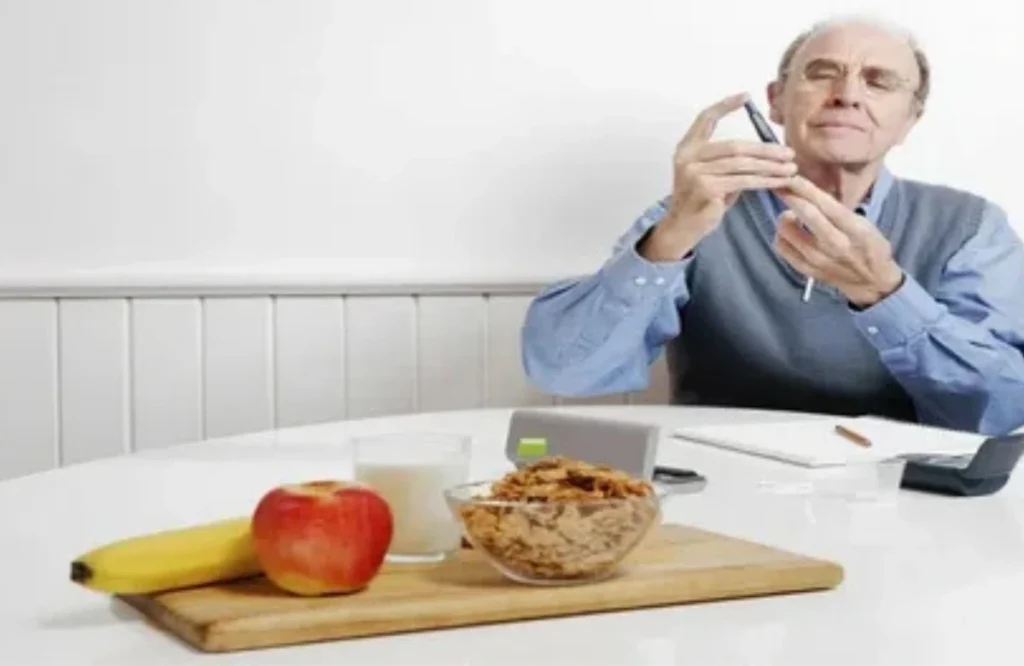
The elderly are polypharmacy, which is incompatible with food. Here, quality meal services excel and devise plans that could help them to take meds safely.
Practical tips to boost medication effectiveness:
- Eat at regular periods, which aids in regular absorption.
- Separate foods: Dairy, Antibiotics 2 hours ago; warfarin, greens, same amount daily.
- Utilize quality meal services for their therapeutic plans; prepared meals are allergenic.
- Record the communications in a journal; present your doctor with odd symptoms.
- Get together with dieticians to tailor meals.
When to Talk to Your Healthcare Provider
Spot reduced, queer side effects, or stomach ache? It might be food. Never forget to check with your doctor, pharmacist, or dietitian. This ultimate food-drug interactions guide is not universal.
Conclusion:
Meds and food are a lifeless pairing. The trick to timing them correctly, avoiding risk foods such as dairy or grapefruit, and planning them to raise the results. These are our tips on becoming more successful in these food medication effectiveness tips and with pro-support services, like quality meal services, you are guaranteed.
Are you willing to streamline your schedule? You have to have home health plans at Visit Precious Pearls Home Health Care so that your meds do their best.
FAQ’s
A: Yes, grapefruit, dairy foods, or high-fiber foods may inhibit the absorption or alter the drug levels. Look in our drug nutrient interaction guide and discuss with your pharmacist.
A: Numerous antibiotics, thyroid medications and bone medications are administered following the empty stomach drug policies, 1 hour prior to or 2 hours after eating to achieve maximum absorption.
A: An interaction with grapefruit medications prevents gut-starter enzymes, increasing statins, blood pressure medications, and others, and may lead to adverse effects. Avoid it entirely.
A: Absolutely, the effect of interaction in dairy antibiotics and the effect of calcium drug absorption reduce the effect of tetracycline or quinolone. Wait 2 hours.
A: They plan meals around your schedule, avoiding clashes like vitamin K blood thinner interactions, making medication timing with meals foolproof.