When a loved one is later brought back home, after spending a long period in the hospital, the families feel relieved and anxious at the same time. You are happy that they are home, but you might also be concerned about how to take good care of them. Every little thing contributes to the healing process, whether it is a medical necessity, emotional support, etc.
This blog will walk you through home-based intensive care services and will give you insights about how to make the recovery process safe, easier, and more comfortable for the loved one. With the fundamentals of home intensive care in your pocket, you are assured of the know-how to provide care to a person who is just out of a critical condition, or to be prepared to care for your own needs when you happen to be the person requiring some home care in the future.
Why Families Choose Intensive Home Care
Home-based healing is peaceful, comfortable, and familiar. A great number of families prefer post-hospital home care as it enables the loved ones to feel safe and relaxed, yet get the necessary medical care. Home provides decency, lessens stress, and brings family members together.
Yet, families might be confused after the hospital discharge or ICU stay and not understand what to do. It might be difficult to manage medications, track symptoms, and handle equipment. This is the reason why the benefits of home intensive care are so significant. It links home comfort and hospital-level assistance, providing care and family reassurance to patients.
The Emotional and Physical Challenges of Home Caregiving
Being a caretaker at home is a loving thing to do, but it is also tiring. Most families are stressed, tired or fearful of making mistakes. Studies indicate that over half of family caregivers are subject to burnout, and it may have an impact on sleep, mood, and general health.
Caregivers are usually anxious about medical issues, fatigued because of the lengthy hours, confused about the courses of treatment, and emotionally exhausted. Exhaustion is transformed into assurance with the help of a professional. Having experienced nurses, the burden will be deferred, and families will not have to bear it all.
What Are Intensive Care Services at Home?
Intensive home health services incorporate high-level medical care in the home. They are not just the support activities, but the services of the trained professionals at the level of the hospital.
Simple home care can involve bathing, meals, and light day-to-day help. Intensive home-based nursing care goes the extra mile and provides medical services normally provided in a hospital setting.
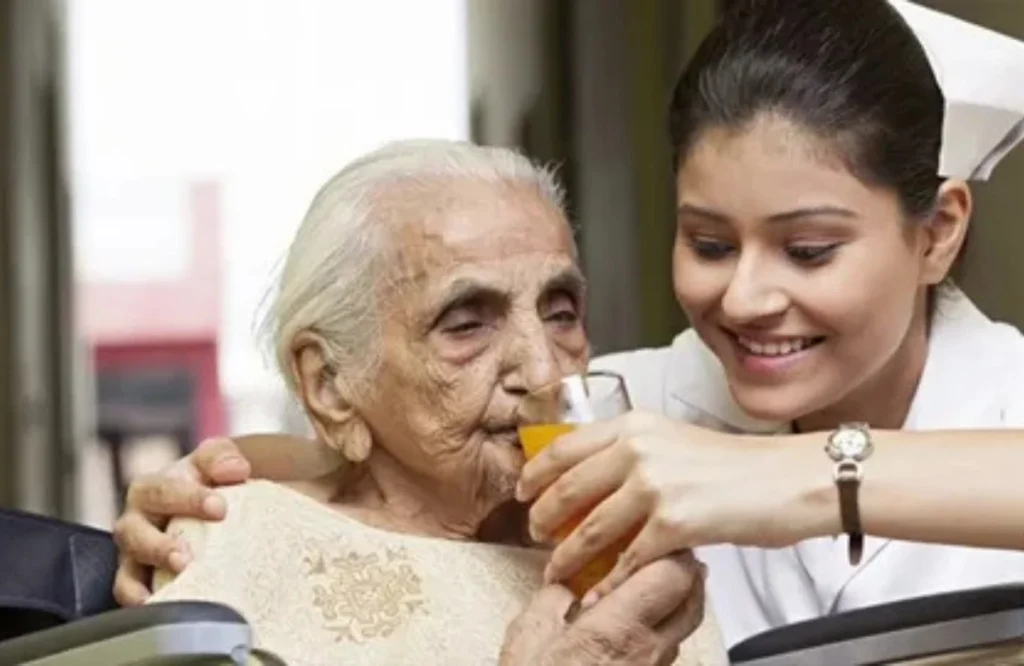
Typical services include:
- Continuous vital sign monitoring
- Ventilator or oxygen support
- IV and medication management
- Wound and post-surgery care
- Tracheostomy care
- Feeding tube management
- Mobility support and therapy
- Emergency readiness
- Daily reporting to doctors
Such skilled nursing services at home make the family of the sick feel that the patient is safe as he/she recover.
Key Benefits of Choosing Intensive Care at Home
Intensive care services at home have numerous advantages to patients and their families:
- Comfort and Emotional Stability – Home feels familiar and secure, which supports healing.
- Family Involvement – Family members can be extensively involved in the recovery process.
- Reduced Infection Risk – Homes are less germy as compared to hospitals, and this reduces the chances of infection.
- 24/7 Professional Support – ICU-trained nurses will have round-the-clock monitoring and rapid response.
- Cost-Effective Alternative – Long hospital stays are avoided, and they minimize the total medical expenses.
- Personalized Recovery Plans – Each patient is provided with a care plan.
These advantages of taking intensive care at home render recovery safer, easier, and more comfortable.
Transitioning an ICU Patient Home Step by Step
The discharge of a patient from the ICU must be planned. The seamless transition will help to avoid any complications and minimize the stress of the whole family.
Steps include:
- Physician Assessment and Discharge Planning – The patient is assessed as to whether they are well enough to be sent home, and instructions are given by the doctors.
- Home Environment Evaluation – Nurses examine safety, such as electrical supply, sanitation, and equipment space.
- Equipment Installation and Nurse Onboarding – bed, monitors, oxygen, and other devices are installed, and the nurses are given elaborate care guidelines.
- Family Orientation and Follow-Up – Families are taught the simple tasks, emergency procedures, and follow-up schedules.
Strict coordination of the hospital and home care teams provides a safe transition ICU patient home process.
Supporting Family Caregivers: Shared Responsibility and Relief
Shouldering the responsibility of taking care of a person with intensive medical needs should not be left to an individual. The support services of family caregivers are essential. Professional caregivers offer emotional assistance, health advice, daily reports, routine assistance, and stress management. Their presence also works to assure the family that they are not the only ones in this difficult period. You are not the only one taking care of your loved one, professional people are on your side. Caregiver burden is also decreased with shared support, and comfort is provided to the whole family.
Skilled Nursing and Specialized Home Care Services
There are patients who need advanced medical attention even when they are out of the hospital. Competent nurses offer specialized services that are appropriate to the patient. These can be ventilator and tracheostomy services, cardiac and neurological services, palliative services, post-operative rehabilitation, infection management, and complex wound care.
The homebound patients are provided with safe and effective medical care by adhering to strict clinical standards in all services. Family members will be able to be sure that their loved one is getting professional care at home.
How to Care for a Loved One at Home with Intensive Needs
However, it might seem that taking care of a person with complicated medical issues is overwhelming, but it is possible to ease this burden with little steps:
- Create a quiet recovery space with good airflow
- Keep equipment clean and organized
- Communicate daily with the care team
- Stay patient and offer emotional support
- Watch for changes in symptoms
- Keep emergency contacts nearby
Such minor practices form a safe, conducive environment. To get further information, the families may read our Guide to Receiving Critical Care at Home.
Why Choose Precious Pearl Home Care for Home Intensive Care
The selection of the appropriate home care provider is significant in recovery. We have certified critical care and ICU-trained nurses who deliver advanced medical skills and soothing patient care. Our services include 24/7 monitoring, tele-ICU services, safe home care programs, post-hospital home care, plans of care, and quick emergency services.
One family told about it: When my mother returned home after the ICU, we were frightened and bewildered. Their staff directed us throughout. The nurses were composed, nurturing, and competent. They turned home a safe place to be again.
Through our professional home care, you will be sure that your loved one is in competent and caring hands.
Conclusion
Home care is a duty and an act of love to a loved one. Under intensive home health services, families receive professional assistance for a safer, smoother, and more comfortable recovery. Proficient nurses are available 24/7, administer medications, operate equipment, and offer emotional support, and this brings peace of mind. Home is the place where healing is human, and families are able to concentrate on comfort and connection. At the time, our ICU-trained team takes care of the professional care in each step of the process.
To learn more about the intensive home care services, come to Precious Pearl Home Care.
FAQs
It is also high-level medical care that is done at home by certified nurses, just like in a hospital.
Yes, home care is safe and effective with well-trained nurses and appropriate equipment.
They deal with observation and medications, wound management, ventilators, and so on.
It minimizes stress through the sharing of medical and emotional burden.
A doctor analyzes his or her condition and prescribes the right level of care.
Yes, it decreases long and hospital visits and decreases the overall cost of medicine.
Yes, 24-hour attention is accessible depending on the requirements of the patient.