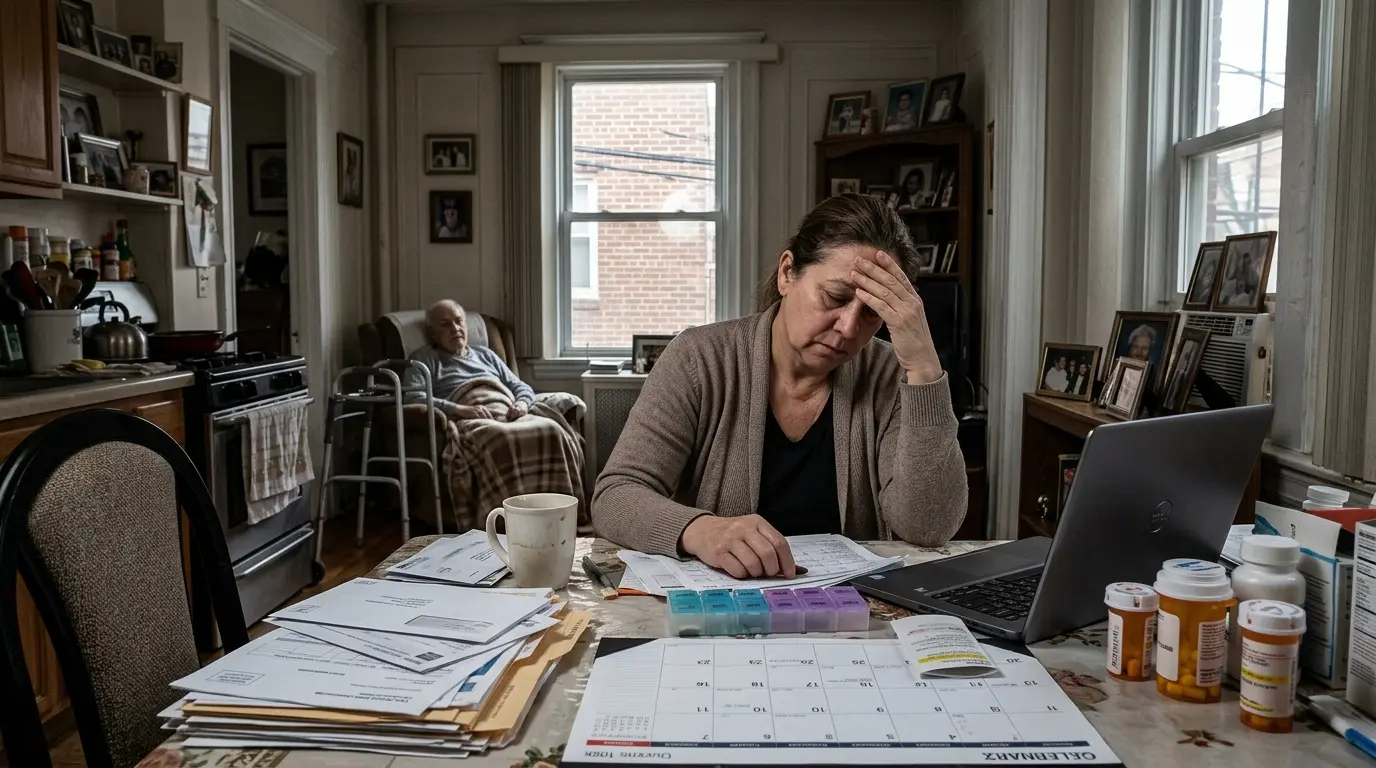
Here’s the deal. You get a call that your mom’s in the hospital. Then someone says “ICU.” Your heart stops. What does intensive care actually mean? It’s scary because nobody explains it well. Let’s fix that. Intensive care is for people who need constant watching. Think heart attacks, bad infections, or after big surgeries. Machines help them breathe. Nurses stay by the bed.
If you live in Florida or anywhere else, the basics are the same. This guide shares local tips too. Care Taker Service in North Bellmore helps families after the ICU. You need a plan before a crisis hits. Read this guide. You’ll feel calmer.
What Exactly Is Intensive Care?
Intensive care happens in a special unit called the ICU (intensive care unit). Doctors and nurses watch patients one-on-one. They use monitors for heart rate, oxygen, and blood pressure. A regular hospital room checks on you every few hours. The ICU checks every minute. That’s the big difference.
Consider what happens in Orlando hospitals. A patient with pneumonia got worse fast. In the ICU, a nurse caught the drop in oxygen within seconds. They avoided a breathing tube. That’s why intensive care saves lives. You don’t stay there long. Most people move to a regular room in a few days. But those days feel intense for families too.
Who Works in the ICU? Meet the Intensive Care Nurse
An intensive care nurse is not like other nurses. They have extra training. They know ventilators, IV pumps, and crash carts by heart. One nurse handles only one or two patients. That’s it. They watch every beep on the monitor. They spot trouble before you do.

Take a nurse in Tampa as an example. She said, “My job is 90% watching and 10% fixing.” She meant it. A good intensive care nurse stays quiet until action is needed. The nurse in the intensive care unit also talks to families. They explain what those tubes do. Ask them questions. They want to help you understand. Don’t be shy.
Understanding Intensive Care Coordination
Intensive care coordination sounds fancy. It just means everyone talks to each other. The doctor, nurses, respiratory therapist, and social worker meet daily. They make a plan together. “Today we lowered the sedation.” Or “Tomorrow we will try walking.” You should join those meetings if possible.
In Florida, many hospitals let families call in by phone. One family in Jacksonville lived two hours away. The nurse coordinator called them every morning at 8 AM. Good intensive care coordination prevents mistakes. It also speeds up recovery. Ask the hospital who handles this. If they don’t have one, ask for the case manager.
What Happens in a Cardiac Intensive Care Unit?
A cardiac intensive care unit (CICU) is for heart problems. Heart attacks, heart failure, or after bypass surgery. The machines here are special. They track every heartbeat. Some patients have a temporary pacemaker. Others get medicine that strengthens heart pumps.
Consider families in Miami whose dad recovered from a heart attack. The first 24 hours in ICU intensive care are the scariest. But nurses watch for signs of another attack. They act fast. After the CICU, patients need rest at home. Care Taker Service steps in with meals, meds, and watching for warning signs. Don’t rush discharge.
How Families Can Help During ICU Stays
You can’t do medical stuff. But you can help in other ways. Bring a list of their meds. Tell the nurse about allergies. Bring glasses or hearing aids. A confused patient can’t speak up without them. Also, bring a notebook. Write down what doctors say. Families often forget details because they are stressed. It happens to everyone. Visit during shift changes (usually 7 AM and 7 PM). That’s when you’ll catch both nurses together. Ask: “What changed since yesterday?” In Florida, some ICUs allow one family member to stay overnight. Ask the charge nurse. They make exceptions for elderly spouses.

Common Fears About Intensive Care (Florida Stories)
Fear #1: “They’ll never wake up.” Most do. Sedation is temporary.
Fear #2: “The machines mean they’re dying.” No. Machines buy time to heal.
Fear #3: “I can’t afford aftercare.” Medicare covers some rehab. Ask the hospital social worker.
Consider a family in Naples. Their mom was in intensive care for two weeks with sepsis. They thought she’d never come home. She did. And she needed help for three months. That’s normal. Recovery takes time. Don’t expect a miracle overnight. Plan for help after discharge.
FAQ
How long do people stay in intensive care?
Usually 2 to 7 days. It depends on why they’re there. Heart surgery might be 3 days. Severe pneumonia could be 10.
Can you visit your loved one in the ICU?
Yes, but hours are strict. Most ICUs allow 2 visitors at a time. Call ahead. Florida hospitals follow similar rules.
What’s the difference between ICU and cardiac intensive care unit?
ICU handles all emergencies. CICU focuses only on heart problems. The nurses in CICU have extra heart training.
Does intensive care coordination cost extra?
No. It’s part of hospital care. If you don’t hear about it, ask for the nurse coordinator or case manager.
How do you find a good intensive care nurse?
You can’t pick one. But you can ask to speak with the charge nurse. Share your concerns. They’ll assign the best fit.
What happens after intensive care?
Most go to a regular hospital room. Then home or a rehab center. Some need home care from services like Care Taker Service.
Can older patients recover fully from an ICU stay?
Many do. But expect weakness. Physical therapy helps. Florida has many home health agencies. Start calling before discharge.
Conclusion
You made it through this guide. That’s a good first step. Intensive care is scary, but knowledge kills fear. Now you know what to expect. Remember the key players. The intensive care nurse watches every second. Intensive care coordination keeps everyone on the same page. And a cardiac intensive care unit specializes in hearts. If your loved one comes home from the ICU, they’ll need support. Small things matter—med reminders, fall prevention, someone to talk to. Care Taker Service in North Bellmore offers exactly that.