When someone you love is critically ill, every decision feels heavy. Families often think the only safe place for intensive care is inside a hospital. But today, advanced medical support can come right to your home. And for many people, that option feels calmer, safer, and far more comfortable.
The nature of in-home intensive care is transforming the manner in which serious medical care is experienced by the family. Through the proper support staff, patients are able to obtain treatment that matches that of the hospital in a more comfortable setting, their own home.
What Are In-Home Intensive Care Services?
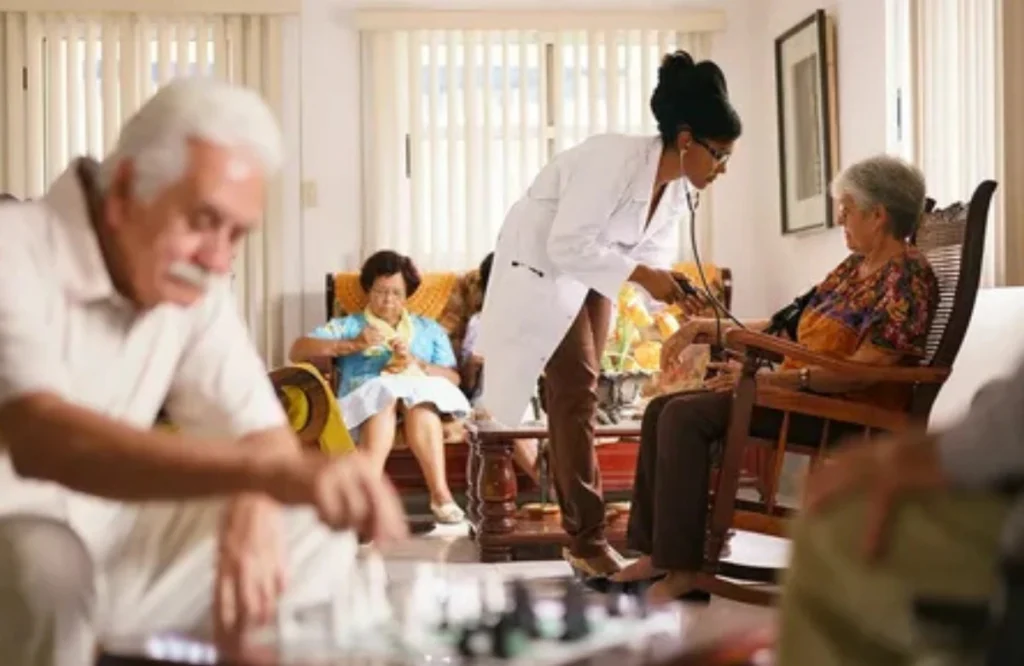
Home intensive care services (also known as home intensive care service, home ICU service, and home-based critical care) are intensive care services provided in the home environment of a patient to the same degree as provided in an ICU. These consist of high-quality equipment, well-trained nurses, 24/7 medical supervision for patients who require high-quality services and do not want to be admitted to a medical facility but remain at home.
These services are constructed to assist the medically frail people, who have undergone significant surgeries, suffered from long-term illnesses, and require in-home ventilator assistance and 24-hour care.
Why Are In-Home Intensive Care Services Growing So Quickly?
Families nowadays demand personal and comfortable choices. Hospitals are overwhelming. Extended stays might also be energy-consuming and emotionally draining. ICU care at home gives the family the opportunity to be together and yet be given high-level medical attention.
The following are some of the reasons behind the increased popularity of this kind of support:
- Hospitals have a tendency to be overcrowded and home care eliminates the risk of getting infected.
- It is safer and more accurate to monitor patients at home with the help of technology.
- Patients recover faster when they are in their own surroundings.
- Families would like to have better control and day-to-day care.
- The cost of home care is usually less than the cost of long-term hospitalization.
A Deep Dive: What Exactly Are In-Home Intensive Care Services?
This is the heart of the topic. The explanation of what these services entail and how they are done is explained clearly, amicably and in detail below.
In-home intensive care is created to provide people with high-quality and continuous medical assistance. However, they do not have to be in the hospital bed with loud machines and strangers; everything is brought to them at home.
Here is the basic description of the process of in-home intensive care, its providers, the equipment involved, and the day-to-day expectations of families.
1. What Makes Home ICU Care Different From Standard Home Care?
The assistance provided by regular home care typically facilitates day to day activities such as bathing, dressing or company. Home based intensive care is far more sophisticated. It is constructed to the needs of people who need:
- Close monitoring
- Complex medical treatments
- Skilled nurses
- Specialized equipment
- Emergency-trained caregivers
This is why it’s often called home healthcare for ICU patients or skilled home medical care.
2. Who Receives Home-Based Critical Care?
Patients who benefit from this level of care include those with:
- Severe breathing problems
- Neurological conditions
- Long-term ICU needs
- Traumatic injuries
- Recovery needs after major surgery
- Chronic illnesses like ALS, COPD, or heart failure
- Permanent or temporary ventilator dependency
Anyone who would normally stay in a hospital ICU may qualify for critical care at home instead.
3. What Services Are Included in In-Home Intensive Care?
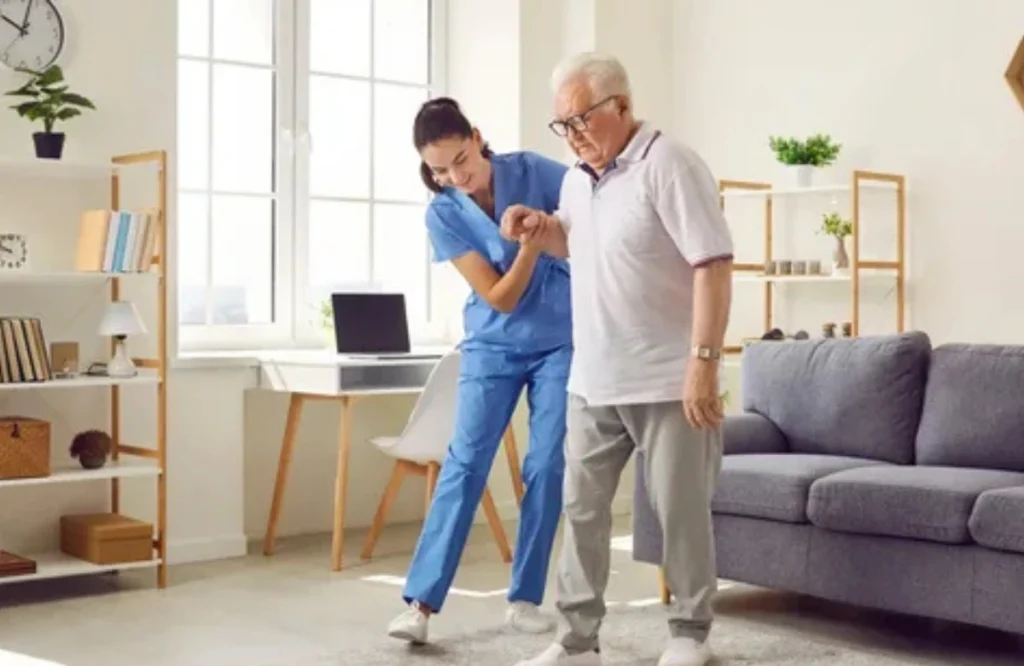
This type of care delivers nearly everything a critical patient would get in a hospital setting. Services often include:
Advanced Medical Monitoring
- 24/7 vital sign monitoring
- Oxygen levels
- Heart rate and blood pressure tracking
- Real-time alerts
This is where at-home patient monitoring becomes essential.
Ventilator and Airway Support
Many patients need ventilators.
Home ICU teams offer:
- In-home ventilator support
- Tracheostomy management
- Airway suctioning
- Oxygen therapy
All handled by trained nurses and respiratory therapists.
Medication and IV Therapy
Nurses manage:
- IV antibiotics
- Pain control
- Nutrition through feeding tubes
- Hydration therapy
Everything is done with the same precision found in a hospital.
Wound and Post-Surgery Care
This includes:
- Dressing changes
- Infection monitoring
- Rehabilitation support
Emergency Response
Home ICU staff are trained to act fast. They have protocols in place for emergencies and can stabilize the patient before hospital transport if needed.
Daily Care Support
Although the focus is medical, staff also help with:
- Mobility
- Hygiene
- Feeding
- Comfort management
This balance is what makes home nursing for critically ill patients feel more human.
4. What Equipment Is Used in Home ICU Care?
Many families worry they don’t have space for hospital machines. But today’s technology is compact and home-friendly. Equipment may include:
- Portable ventilators
- Cardiac monitors
- Infusion pumps
- Suction machines
- Oxygen concentrators
- Nebulizers
- Feeding pumps
- Emergency medical kits
Nurses check, sanitize, and monitor this equipment during every visit.
5. How In-Home Intensive Care Services Work Day-to-Day
Families often ask, “What does a typical day look like?”
Here’s a simple picture:
Morning
- Vital checks
- Medication administration
- Feeding support
- Breathing therapy
- Equipment cleaning
Afternoon
- Mobility assistance
- Nutrition support
- Patient monitoring
- Family updates
- Medical documentation
Evening
- Respiratory checks
- Pain control
- Safety monitoring
- Bedside support
Overnight (if 24/7 care is scheduled)
- Continuous monitoring
- Rest support
- Emergency readiness
This process gives families peace of mind knowing someone is always watching over their loved one.
6. Who Provides Home ICU Care?
A trained team may include:
- Critical care registered nurses
- Respiratory therapists
- Medical directors
- Home health aides
- Rehabilitation specialists
These professionals follow a customized care plan built with the patient’s doctor.
7. Why Families Choose Home ICU Care
The biggest reason is comfort. But families also choose it because:
- Hospitals are stressful.
- Home feels peaceful.
- Visitors are unrestricted.
- Patients maintain dignity and control.
And let’s be honest being home during illness can lift spirits, which often helps recovery.
Benefits of Home-Based ICU Care
Here are some of the most meaningful benefits:
1. Comfort and Familiar Surroundings
- Patients sleep better.
- Families stay close.
- Anxiety and depression often decrease.
2. Lower Infection Risk
Hospitals carry a higher risk of infections. Home environments are safer.
3. Personalized One-on-One Care
Instead of sharing nurses with multiple patients, home ICU patients get focused care.
4. Better Sleep and Faster Recovery
Home is quieter, calmer, and more healing.
5. Cost Savings
Often much cheaper than an extended hospital stay.
6. Higher Family Involvement
Families understand, help with, and stay involved in care decisions.
Tips for Choosing the Right Home Intensive Care Provider
Use this quick guide when comparing home ICU companies:
1. Check Their Experience
- Do they specialize in critical care at home?
- How many ICU patients have they managed?
2. Ask About Their Team
Look for trained critical care nurses and respiratory therapists.
3. Review Equipment Quality
Make sure they use modern, reliable machines.
4. Ask About Availability
24/7 support is a must for severe cases.
5. Understand the Care Plan
Ask how they customize care for your loved one.
6. Check Communication Style
You want a provider that explains things clearly and supports the family.
7. Read Reviews
Look for real patient stories and ratings.
Conclusion
Home-based intensive care service is providing more control, comfort and peace of mind to the families in some of the most difficult situations in life. It is also true that patients can get the same high-level treatment that is available in a hospital but without leaving the comfort of home, because of the right team. Home ICU services provide a strong, humane option to 24/7 care and emotional support (including ventilator and medication management) to individuals who can use it the most.
To explore more, visit Precious Pearls Home Care.
FAQs
These are hospital-level medical services provided at home for patients who need advanced monitoring and treatment.
Anyone who requires critical support, such as ventilator care, constant monitoring, or complex medical treatments, may qualify.
Yes. With trained nurses, advanced equipment, and real-time monitoring, it’s designed to be as safe as hospital care.
Portable ventilators, oxygen devices, heart monitors, IV pumps, feeding pumps, and more.
In many cases, yes. Home care can reduce long-term costs significantly.