
Delirium in intensive care patients is one of the most common yet challenging complications faced by healthcare providers. It’s not just confusion or restlessness; it’s a serious, often fluctuating mental state that can affect memory, attention, and awareness. When a patient in the ICU develops delirium, it can delay recovery, extend hospital stays, and increase the risk of long-term cognitive problems.
Understanding Delirium in the Intensive Care Unit (ICU)
Delirium in the intensive care unit (ICU) refers to an abrupt alteration of the mental capacity of a patient resulting in confusion, disorientation and lack of concentration. It is not a disease but a symptom and this indicates a lack of balance in the way the brain processes information. ICU delirium occurs because patients who are critically ill frequently experience multiple stressors simultaneously: pain, infection, drugs and insomnia, which affect the chemistry of the brain.
How Common Is Delirium in the Intensive Care Setting
Delirium in ICU patients is highly prevalent particularly in older patients or those under mechanical ventilation. Research indicates that approximately 80 percent of all patients in the ventilated ICU are not excluded from developing delirium of some type. It can even be triggered during short stays in the ICU as a result of noise, bright lights that are always present and constant disturbances that upset the normal body rhythm.
The Difference Between ICU Delirium and Other Cognitive Disorders
Delirium is a sudden onset and varies with time of day unlike dementia or Alzheimer’s. One moment, a patient may seem fine and the next, they can be totally lost. In contrast to chronic conditions, delirium is typically a short-term condition; it disappears with the treatment of the underlying cause. It may cause long-term memory problems and slow recovery, however, when not addressed in time.
Causes of Delirium in ICU Patients
Medical and Environmental Triggers of Intensive Care Delirium
Delirium among ICU patients is caused by many factors. Some key medical triggers include infections including pneumonia or sepsis, low oxygen levels and metabolic imbalances. Even the patients who have already become stressed can be confused by environmental stressors, such as undying noises, artificial lighting and sensory deprivation.
How Medications and Sedatives Can Lead to Delirium
Some of the drugs given in the ICU, especially sedatives such as benzodiazepines or opioids, may increase confusion and slow down the thinking rate. Although such medications are frequently needed to alleviate pain or offer sedation, they may disrupt the circadian rhythms and the homeostasis of neurotransmitters which exposes patients to delirium.
Risk Factors That Increase Delirium in Critically Ill Patients
Patients with alcohol use disorders, older adults and those with previous cognitive decline as well as those undergoing long surgeries or ventilator are at higher risk. Delirium in the ICU is increased further by dehydration, immobility and sensory impairment (poor vision or hearing).
Recognizing ICU Delirium Symptoms Early
Common Physical and Cognitive Signs of ICU Delirium
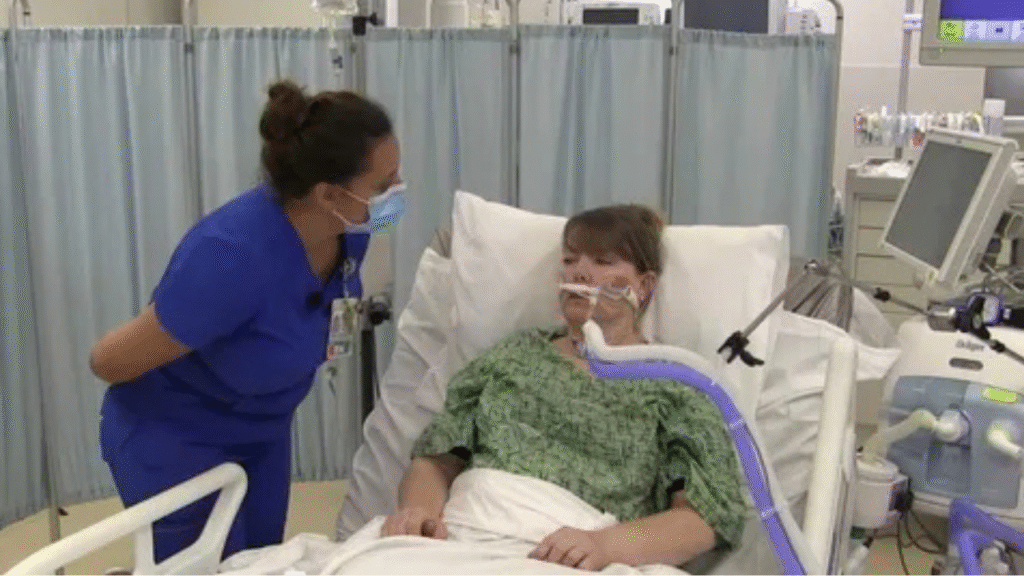
The symptoms of ICU delirium may be mild or severe. The most recurrent symptoms are confusion, agitation, hallucinations, restlessness or abrupt withdrawal. Other patients can turn out to be combative and some might be abnormally calm or sleepy but unaware of reality.
How to Differentiate Between Hypoactive and Hyperactive Delirium
Delirium has two primary types, namely, hyperactive and hypoactive. Hyperactive delirium entails agitation, emotional outbursts and restlessness. The hypoactive delirium is another symptom that is not taken seriously and it manifests as sleepiness, slowness or nonreceptiveness. There are cases of a mixed form whereby patients alternate between the two states.
Screening Tools and Assessment Scales Used in ICUs
ICUs may apply such tools as the Confusion Assessment Method in the ICU (CAM-ICU) or the Intensive Care Delirium Screening Checklist (ICDSC) to diagnose delirium at the earliest stage. Nurses and physicians should evaluate a patient regularly to identify cognitive changes in time before they deteriorate.
Management of Delirium in ICU
Non-Pharmacological Interventions for Managing Delirium
Non-drug-based methods are used as the initial intervention in the treatment of ICU delirium. These involve time and place orientation of the patient, making sure that they have adequate lighting during the day, and encouraging them to rest at night. The visits of the family, the use of hearing aids or glasses, the presence of clocks or calendars assist in staying aware as well.
Role of Medication in Severe Cases of ICU Delirium
Medication might be required in certain circumstances- particularly when the patient turns out to be a threat to his or her own life or that of other people. Close supervision can be conducted with drugs such as haloperidol or dexmedetomidine. Nevertheless, drugs are never the final option because they may delay the sedation process or add more side effects.
Importance of Family Engagement and Patient Orientation
The role of family involvement in the management of ICU delirium has some power. The patient can be soothed using familiar voices and soft assurance. Families may also carry personal things such as photographs or a favorite blanket to make them feel at home so that they are not confused.
Sleep, Light, and Mobility
ABCDEF bundle ABCDEF is an established model of care in the ICU, which can be defined as:
- A: Evaluate, avert and treat pain.
- B: Both spontaneous awakening and breathing trials.
- C: Sedation and analgesia.
- D: Delirium diagnosis, prevention and treatment.
- E: Early movement and exercise.
- F: Family involvement and empowerment.
This all-inclusive method has been demonstrated to greatly decrease the rates of delirium and the overall patient outcome.
Preventing Delirium in Intensive Care Patients
Early Mobility and Cognitive Stimulation Techniques
Promoting movement in patients can significantly reduce the risk of delirium by encouraging the patient to sit up or take a short walk with assistance. The brain can be active and alert through cognitive activities such as speaking, reading, or listening to music to avoid disorientation.
Adjusting ICU Environment to Reduce Delirium Risk
Even basic environmental modifications would help a lot. During the night, dimming lights, limiting the sound of alarms and exposure to natural light in the day contribute towards the patients getting a normal sleeping pattern.
Monitoring and Managing High-Risk Patients
Strongly at-risk patients are to be observed in case of early symptoms of delirium. Cognitive decline can be avoided prior to the severity of the condition by keeping a check on vital signs, taking medications cautiously and keeping hydrated.
Long-Term Effects and Recovery After ICU Delirium
How Delirium Impacts Long-Term Cognitive Function
Some patients who are no longer in the ICU have a problem with their lingering cognitive problems, and they may have difficulty focusing, forgetfulness, or confusion. These symptoms can be removed after some time but in severe cases, they may last months.
Post-ICU Syndrome and Mental Health Considerations
There is an occurrence of many patients getting Post-ICU Syndrome (PICS), characterized by feelings of anxiety, depression, and memory loss. With follow-up care and encouragement of mental health checks, the families ought to assist in the emotional recovery and pursue follow-up care.
Rehabilitation and Support After Discharge
Physical therapy, counseling and cognitive exercises can also be used in rehabilitation programs that hasten recovery. Follow up visits guarantee the patient that he is getting back to his usual state of strength, both psychologically and physically.
Conclusion
Delirium in the intensive care unit is a severe and treatable condition. Most patients become cured when they are subjected to the right approach, patient-centered care, family involvement, and proper medication use. Medical professionals ought to remain vigilant and apply effective methods such as the ABCDEF bundle and prioritize prevention and treatment to achieve positive results.
To explore more about patient-centered intensive care and delirium management, visit Precious Pearl Home Care for insights and compassionate care solutions.
FAQ
What is delirium among ICU patients?
Delirium in patients in the ICU is an abrupt alteration of mental condition characterized by confusion, disorientation, or agitation, which usually is a result of illness, medication, or the ICU environment.
What are the symptoms of ICU delirium?
The symptoms are confusion, restlessness, hallucinations, mood swings or withdrawal. There are patients who look hyperactive and some become very quiet or sleepy.
What are the causes of delirium in the ICU?
Among causes, there are infections, lack of oxygen, some medications, dehydration and sleep disorders. The ICU setting is also capable of doing so.
How is ICU delirium managed?
The non-drug management involves orientation, sleep, mobility, and family involvement. Drugs are administered if necessary.
Is it possible to prevent ICU delirium?
Yes, early mobility reduces sadness, enhances sleep patterns and family involvement in care.