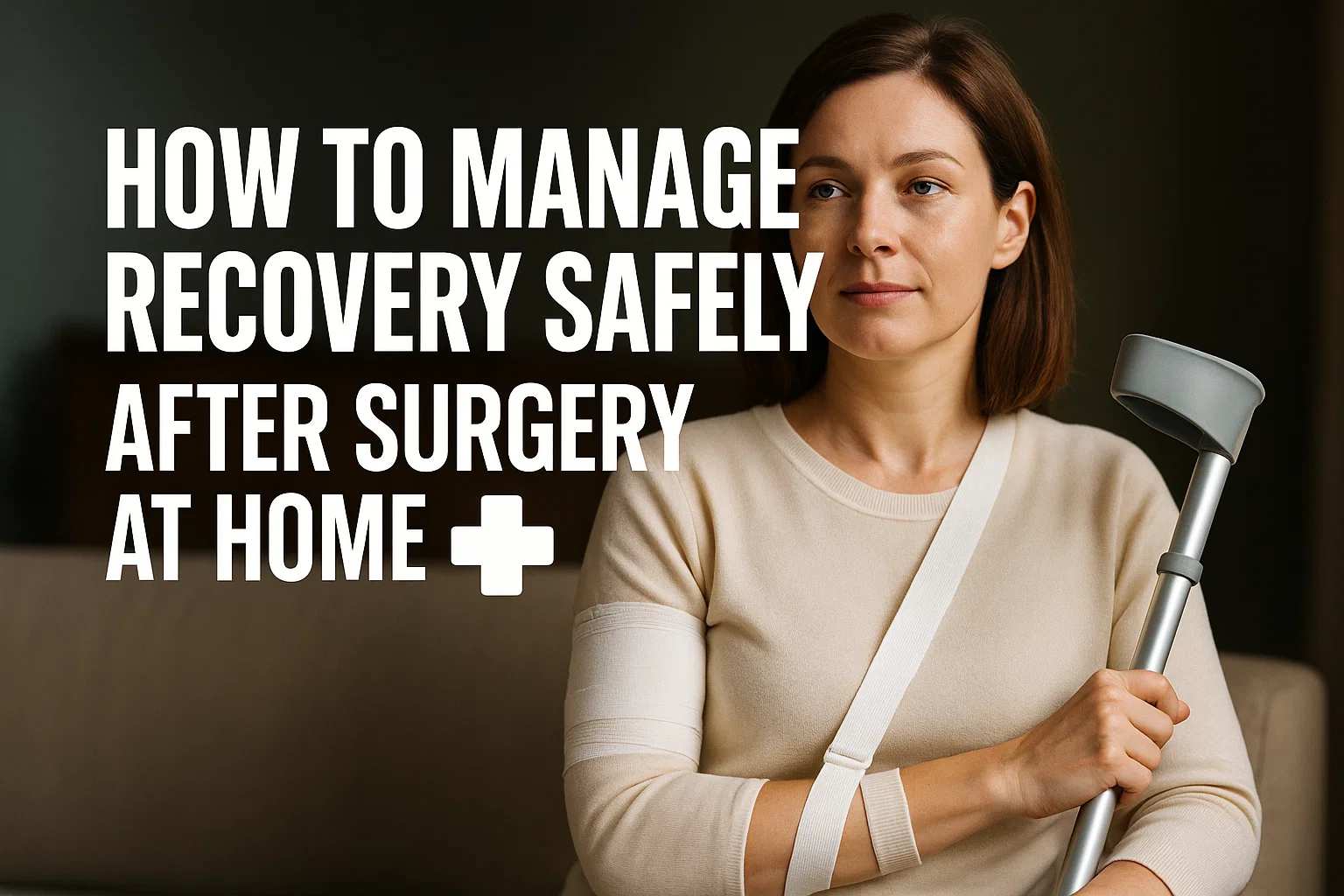
Post-surgery recovery is both a relief and difficult. The healing process requires time, quality care, and support in spite of the fact that it is soothing to be at home. The way you manage the recovery process back at home is a great contributor to the rate and safety of your recovery.
Being a patient who has either had a minor or major surgery, the appropriate post-surgery home recovery tips will ensure that your body is fully healed and has no complications. This is the guide that you will be walking through to know all the things that you need to know when it comes to being safe, comfortable, and confident during home-based recovery.
Why Proper Post-Surgery Care Matters for a Smooth Recovery
What starts to happen when you get out of the hospital is the true healing. The following measures will enhance proper home care following surgical operations, enable you to respond and heal faster, control pain and eliminate infection. Home recovery is something that is underestimated by many. And with no proper planning, you may have to deal with such problems as a slow recovery, pain, or even complications.
It is preferable to be safe in your environment with the guidance of your own physician. Home care is as easy as taking your own pain killers after a surgical procedure or checking on your lacerations on a day to day basis, but the tiniest details will aid you in having a more acceptable recovery.
What Patients Should Know Before Returning Home
It is necessary to prepare before leaving the hospital. Discuss with your doctor or nurse the days and weeks post-surgery. Inquire about wound care in medical surgical patients, whether they are safe to walk around after surgery and when to resume walking around lightly.
It makes a big difference when one has the proper knowledge and supplies at hand. Ready your recovery area, work out your meals and make sure you have someone to take care of you and a caregiver or family member. Recovery is not only about resting but also about providing a safe and secure environment in order to heal well.
Post-Surgery Home Recovery Tips
Getting your home in order and working off your care plan can help the recovery process. The following are some of the major tips to consider during post-surgery home recovery:
- Follow the instructions of the doctor on discharge. Do not skip anything, particularly the medication or wound care.
- Rest as much as your heart desires. You need to rest and it is important for your body to heal and avoid rushing back into the activities of daily life.
- Keep hydrated and consume healthy food. Proteins, fruits, and vegetables are a good example, so pay attention to them in order to restore the strength of your body.
- Keep essentials nearby. Make sure that your phone, drugs, and water are within reach.
- Ask for help when needed. It does not matter whether it is a friend, family member, or a caregiver: it is easier and safer, and support makes the recovery process easier.
Creating a Safe Recovery Environment Setup
The healing process will avoid traumatization and emotional distress due to the house environment being safe. The preparedness is a means of reducing the risks and being in a position to focus on recovery.
1. Declutter and Make Space
Get rid of the unnecessary pieces of furniture or objects which can impede your flow of movement. Clear the walkways and make them broad so that in case you will require mobility aids like a walker or a crutch.
2. Organize Essentials
Keep important things like medicines, wound Home care supplies and water near your bed or your sleeping area. This is best suited to a small bedside table.
3. Prevent Slips and Falls
Apply non-slip flooring in the bathrooms and get rid of loose carpets. Light eliminates accidents especially when an individual has to travel during the night.
A neat house is not only comfortable but a home that will become a welcoming abode to recuperate with a system that will enable it become self sustaining and healthy.
Home Care After Surgical Procedures
The process of healing may not be that straightforward and this is due to the fact that the surgery may limit movement. One of the benefits of having someone help in the house is that you are secure and that you follow your care plan in the right way.
The Role of Family and Caregivers
The family members play a very important role in helping you with your daily activities like preparing meals, helping you to move safely or even reminding you about the medications. But there are situations when help of the professionals might be needed by the members of the family.

Professional Home Care Services
Tasks that could be facilitated by professional caregivers or nurses who have received training on the self-care instructions in post-operative care can include:
- Checking vital signs and the progress of the recovery.
- Taking care of wounds and medication schedules.
- Helping to move around and clean up.
- Being supportive and encouraging.
Home care services company like Precious Pearl Home Care can give the patients a sense of security by offering them good home care services whenever they are returning home after an operation.
Recovery Monitoring at Home
It is vital that you should be checked regularly after getting home. Keeping track of your emotions and your injured being will assist me in detecting problems at the initial phases.
1. Track Vital Signs
Monitor the body temperature, heartbeat, and blood pressure every day. Call your doctor immediately in case you have observed some odd readings or do not feel good.
2. Watch for Warning Signs
Watch out in case you have any signs of infection, that may redness, swelling, fever, or drainage of the incision. These may point to an issue to be addressed by the medical profession.
3. Use Technology for Support
Modern tools such as smart thermometers, digital blood pressure measuring devices, or health applications can be used to monitor your progress in the recovery and report it to the care provider. This type of recovery self-monitoring at home assists in making sure that you are healing correctly.
Post-Operative Self-Care Instructions
Self-care after surgery is a subject that includes several crucial steps that one should take daily.
- Follow your medication schedule – Do not skip or take double dose without consulting your doctor.
- Prioritize rest and sleep – Giving your body time to recover is important before you get back to the regular rhythms.
- Maintain hygiene – Wash yourself lightly and do not soak in water without the advice of your doctor.
- Eat well and stay hydrated – Healthy food will assist in recovering tissues faster and maintain your energy.
- Avoid lifting heavy objects or bending – Take time to heal your stitches or incisions.
Your medical team will most probably give specific self-care instructions to follow after surgery, depending on the type of surgery. The best results are achieved by following them.
Preventing Complications After Surgery
Things may be okay but when they are not yet taken care of, complications may arise. Here’s how to prevent them:
- Inspect wounds daily – Check redness, swelling or and abnormal discharge.
- Keep the wound clean and dry – Follow the strict wound care instructions by your doctor.
- Avoid smoking or alcohol – Both may slow down the healing process and put a person at risk of infection.
- Report pain or fever – Pain or fever that is not normal should never be ignored, as it can be a symptom of infection.
- Get professional wound care support – Wound care is a safe, hygienic procedure that can be offered by trained caregivers.
Complication prevention is all about being vigilant, mindful and consistent to your care strategy after surgery.
Managing Pain After Surgery at Home
Post-operative pain is a normal occurrence that should be managed well. Safety of pain management promotes recovery and comfort.
1. Follow the Doctor’s Pain Management Plan
Take medications when it is prescribed, that way and not another. Report whether you continue to have pain to enable your doctor to readjust your therapy.
2. Try Non-Medication Methods
- Use warm compresses (if approved).
- Try gentle breathing exercises or meditation.
- Listen to calming music to relax your body.
3. Manage Emotional Well-Being
One should be frustrated or nervous during the healing process. Always remain positive and seek improvement with each passing day. Caregivers or family members that are in contact with you.
Caregiver Support During Home Recovery
This difference is made by having a special aide. They offer physical and emotional assistance. A devoted caregiver will contribute much to the area of recuperating. They also provide physical and emotional support.
- Daily Help: Caregivers help to move, dress, or take a bath.
- Medication Reminders: This is what helps you to take the right quantity of medicine at the right time.
- Emotional Support: It can also be difficult emotionally to recover; a person should have someone to encourage.
- Safety Monitoring: Caregivers identify warning signs of issues and communicate with medical providers in the shortest time.
You can also call on reliable support services such as Precious Pearl Home Care to get expert and caring services of a professional caregiver in the event of home recovery.
Wound Care for Surgical Patients
Your surgical wound should be carefully examined daily.
1. Keep It Clean
Do not misuse the cleaning instructions of your doctor. Wipe with only recommended solutions or wiping.
2. Change Dressings Properly
Wash your hands before and after touching the wound. Change dressing and discard used material safely.
3. Watch for Signs of Infection
You need to contact your doctor immediately in case you experience redness, swelling, or pus. Timely prevention will avoid severe complications.
One of the most important aspects of post-operative healing is proper wound care in the case of surgical patients.

Safe Mobility After Surgery
It’s tempting to get back to normal quickly, but it’s important to move safely.
- Use mobility aids like walkers or canes as recommended.
- Avoid sudden movements that may strain your incision.
- Start slow—take short walks indoors before going outside.
- Ask for help when getting up or down until you feel stable.
Safe mobility after surgery builds strength gradually without putting stress on your body.
Creating a Personalized Home Recovery Plan
All people are different and thus it is wise to develop a plan that suits you.
A schedule should be created by you, together with your doctor or home care team, that incorporates rest, medication, nutrition, and mild exercise. Professional caregivers will be able to assist you in following your plan and revise it when you do get better. These little daily steps will result in complete healing and wellness in the long term.
Conclusion
Home recovery following surgery does not necessarily have to be a stressor. You can comfortably and confidently recover with the right support of a caregiver, safe mobility, proper nutrition and with the right planning. Never forget your recovery in patience and consistency.
Expert assistance is provided in case you or a loved one requires professional assistance with post-surgery home recovery, caregiver support, or safe wound care.
To explore more, visit Precious Pearl Home Care.
FAQs
The time taken to recover depends on the type of surgery and your overall health. Never ignore the prescriptions of your doctor and never hurry.
Call your physician in case of fever, severe pain, bleeding, and abnormal discharge from the wound.
It is a matter of the prescriptions of your doctor. Typically, it is possible to shower in a couple of days, without touching the wound.
Take prescribed drugs and use relaxation techniques, such as deep breathing, light stretching, or meditation.
Consume high protein foods (such as eggs, chicken, and fish), greens, and vitamin- and antioxidant-dense fruits.