
The process of healing after an operation is a time-consuming process that requires patience and a properly designed routine. Be it a simple operation or a serious one, the post-surgery days may be overwhelming without a roadmap. An everyday routine allows patients to be well-organized, take their medical recommendations, and build up their strength gradually.
An easy meal, rest, medication, and light activity schedule not only makes the healing process much easier, but it also brings about peace of mind. Post-surgery care can indeed be made a comfortable experience towards complete recovery with the right guidance.
Why Having a Daily Recovery Routine Is Essential
Balance and continuity are required in the body after an operation to heal. There is a daily recovery plan that assists in that structure. It makes sure that medicine is taken in time, injuries are attended to and the body receives an adequate combination of rest and activity. In the absence of a plan, patients may forget crucial steps or even postpone recovery or even experience complications.
An effective routine facilitates physical and emotional health. It makes patients feel empowered, de-stresses patients, and fosters their general home comfort. Even the simplest habits, applied regularly, will turn out to be a massive difference in the speed and quality of recovery.
How Structure Supports Faster Healing and Comfort at Home
The addition of structure following surgery will provide a sense of stability to the patients. Anxiety can be alleviated by knowing what to expect daily and makes the healing process seem easier. It also makes sure that caregivers are able to offer regular assistance.
The routine systems also avoid overworking – a typical error in recovery. The body will recover more easily and comfortably when rest, meals, medication, and mild exercise are planned wisely.
Creating a Post-Surgery Care Timetable
It is important to plan the daily life to recover smoothly. The timetable of post-surgery care assists in balancing the meal, rest, medication, and light movement during the day.
Begin by splitting the day into sections one can handle, that is, morning, afternoon and evening. Assign certain activities such as wound care, exercise or rest in every segment.
For example:
- Morning: light stretching, breakfast, medication, wound inspection.
- Afternoon: Lunch, light exercise, hydration, rest.
- Evening: Dinner, relaxation, night medication, journal progress.
Setting Realistic Expectations
The procedure may require weeks or months before recovery. Aim at little, and attainable objectives every day. Practice positive thinking to celebrate progress even using minimal improvements such as less pain or movement. It is important to listen to your body and some days will be more exhausting than others, that is all.
Medication and Meal Schedule
Timely intake of medications and meals is crucial in the resolution of complications and successful recovery.
Following Medication Timing
Use prescribed drugs as directed. Avoid forgetting to take pills, set phone alarms or use a pill organizer. Not taking pain medication or antibiotics may slow down the recovery process or cause pain.
Coordinating Meals with Medication
Certain medications are to be taken with a meal, whereas others are to be taken empty stomach. In order to prevent nausea or decreased efficacy, take the advice of your doctor seriously.
Nutrition for Recovery
Small and balanced meals that are eaten regularly are useful in maintaining energy and for boosting immunity. Include:
- Proteins (chicken, fish, tofu) are lean.
- Fresh fruits and vegetables
- Whole grains and nuts
- A lot of fluids, in particular, water or clear soups.
A healthy diet helps in the recovery of wounds, muscle building, and strength.
Gentle Exercise Routines
Several factors such as prolonged immobility following surgery, may result in stiffness or lack of circulation. Minimal effort workouts allow for maintaining blood circulation and muscle movement.
Safe Post-Surgery Exercises
Before making any movement, always consult your doctor. Some of the most common gentle exercises are:
- Minor walks into the room or corridor.
- Prevent blood clots by ankle circular movements.
- Lung health breathing: breathing deeply.
When to Begin Movement
The ability to resume light movement starts in a few days and this is dependent on the nature of the surgery. Begin gradually and extend time as comfort will permit.
Benefits of Gentle Movement
- Enhances moods and circulation.
- Minimizes stiffness and swelling.
- Builds strength gradually
Movement at least several times a day can safely help accelerate recovery even if it is as little as five minutes.
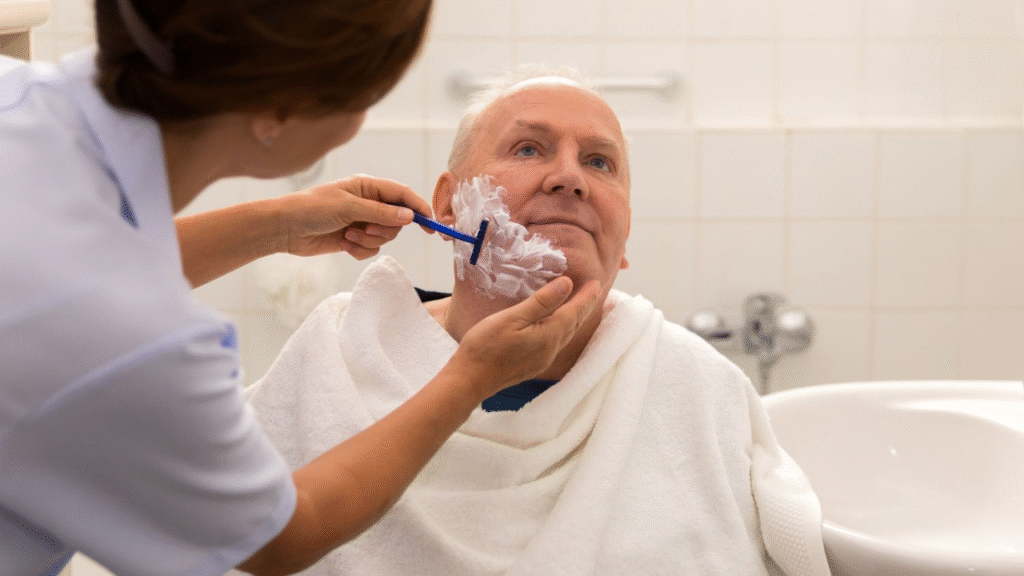
Personal Hygiene Assistance
The postoperative maintenance of personal hygiene is significant in relation to the comfort and the prevention of infection. Nevertheless, the patients usually require the assistance of the caregivers to prevent strain or falls.
Safe Bathing and Dressing
- Bathing should be done with the use of a shower chair or hand handheld sprayer.
- Do not use hot water, as it will irritate and make a person feel dizzy.
- loose and comfortable clothes that can be taken off easily.
Caregiver Support
Washing of hard-to-reach parts, care in drying of wounds, and proper application of fresh dressings can be helped by caregivers.
Hygiene Tips
- Keep the operating rooms clean and dry.
- Change dressing according to the doctor.
- Use mild, unscented soap.
Cleanliness increases confidence and keeps off infections.
Rest and Sleep Management
Healing must be well rested and sleep. Tissues are repaired and energy replenished in the body during sleep.
How Much Rest Is Needed?
The majority of patients require more postoperative sleeping, approximately 8-10 hours a night and short daytime naps. Listen to your body’s signals.
Creating a Comfortable Sleep Environment
- Keep the room quiet and cool.
- Apply supportive pillows to take off the pressure on surgical sites.
- Otherwise, avoid screens at night to relax.
Balancing Rest and Movement
Excessive bed rest leads to rigidity and too little bed rest retards healing. Interchanged brief walks and increased rest to keep in check.
Daily Wound Care Activities
To avoid infection and ensure healing, it is necessary to carry out appropriate daily wound care activities.
Cleaning and Dressing
Follow all the instructions of your healthcare provider. Hand washing, sterile supply, and dry gently should be applied before touching the wound.
Signs of Infection
Watch for:
- Redness or swelling
- Unusual discharge
- Persistent pain or fever
Emergency contact with the doctor should be made in case of any signs. Covering and keeping the wound clean will minimize the chances of infection and promote quick healing.
Hydration and Nutrition Planning
Having water to drink and eating well is the key to recovery. The hydration and nutrition planning make sure the body has everything that it needs to build up and restore its strength.
Importance of Fluids
Dehydration inhibits the speed of healing and may result in fatigue. A minimum of 6-8 glasses of water a day, except when directed otherwise by your doctor.
Foods That Promote Healing
- Vitamin C-rich foods: citrus fruits, bell peppers
- Protein sources: eggs, fish, chicken
- Fiber: whole grains and leafy greens to prevent constipation from medications
When in doubt, consult a nutritionist for meal planning.
Energy Conservation Techniques
In the process of recovery, fatigue is associated with the patient. Studying skills of energy conservation can be used in the management of scarce energy.
Tips for Managing Fatigue
- Divide tasks into smaller actions.
- When carrying out chores, sit and not stand.
- Plan out the most crucial activities at the most active periods of the day.
Use of Mobility Aids
Physical strain can be decreased with the help of walkers, canes, or grab bars. Fathers and mothers should also accept the assistance of caregivers to avoid exhaustion and accidents.
Morning and Evening Care Habits
Developing routines of morning and evening care will enable the body to adapt and recuperate without difficulties.
Morning Routine
- Begin with some light stretching or breathing exercises.
- Eat a healthy and light breakfast.
- Take morning medications
- Do wound care if required
Evening Routine
- Eat a balanced dinner
- Relaxation (light reading or listening to music)
- Make medications ready the following day.
- Sleep early for full rest
Such consistent practices keep the process of recovery on track and make it seem normal.
Routine Monitoring Checklist
It is significant to follow your healing progress. A daily checklist of monitoring is useful to keep the patient and the caregiver organized.
What to Track
- Medication times and doses
- Condition of the wounds (color, swelling, discharge)
- Pain levels and mobility
- Sleep and appetite patterns
Why It Matters
Daily notes may assist doctors with detecting all possible early warning signs and changing the treatment when necessary. Frequent supervision guarantees successful and secure recovery.
Role of Caregivers in Daily Recovery
Caregivers are important in assisting patients to cope with their recovery programs.
How Caregivers Assist
- Bathing, dressing, and wound care.
- Make sure drugs and food are timely.
- Promote exercise and fluid intake.
Encouraging Independence
Caregivers ought to leave patients the small chores they can complete safely as they assist them. This develops self-esteem and self-reliance.
Creating a Positive Environment
Open communication, patience and a jovial attitude can help ease the process of recovery as the patient and the caregiver can feel less stressed.
Benefits of Having a Structured Recovery Routine
There are numerous advantages of a properly designed recovery program:
- Shorter recovery time and complication reduction.
- Improved mood and emotional stability.
- Better energy and strength.
- Less anxiety and disorientation.
- Effective communication between the patient, the caregiver and the doctor.
The organization transforms recovery into a process of manageable stages rather than a huge process.
Conclusion
It does not take time to heal after surgery, but it takes time to be consistent, patient and to love. Balanced meal, rest, wound care and gentle exercise are a routine that assists the body to restore strength in a natural manner. Family and friends contribute significantly to this journey in ensuring that it is easier and more comfortable.
To learn more about creating personalized post-surgery routines and care services, visit Precious Pearl Home Care today.
FAQs
Begin as soon as you get home. Such a simple plan will ensure that on the first day you do not forget about medications, meals, and rest.
Ankle circles, deep breathing exercises and short walks are safe. Never start without consulting your doctor.
Apply energy saving strategies such as taking rest, performing tasks in a sitting position and seeking help where necessary.
Water aids in the body to clear toxins, digestion and tissue repair.
Caregivers ought to monitor medication, assist with hygiene, promote light movement, and create a supportive environment.
Contact your physician in the event of any swelling, redness, fever, pain, or discharge in and around a wound.