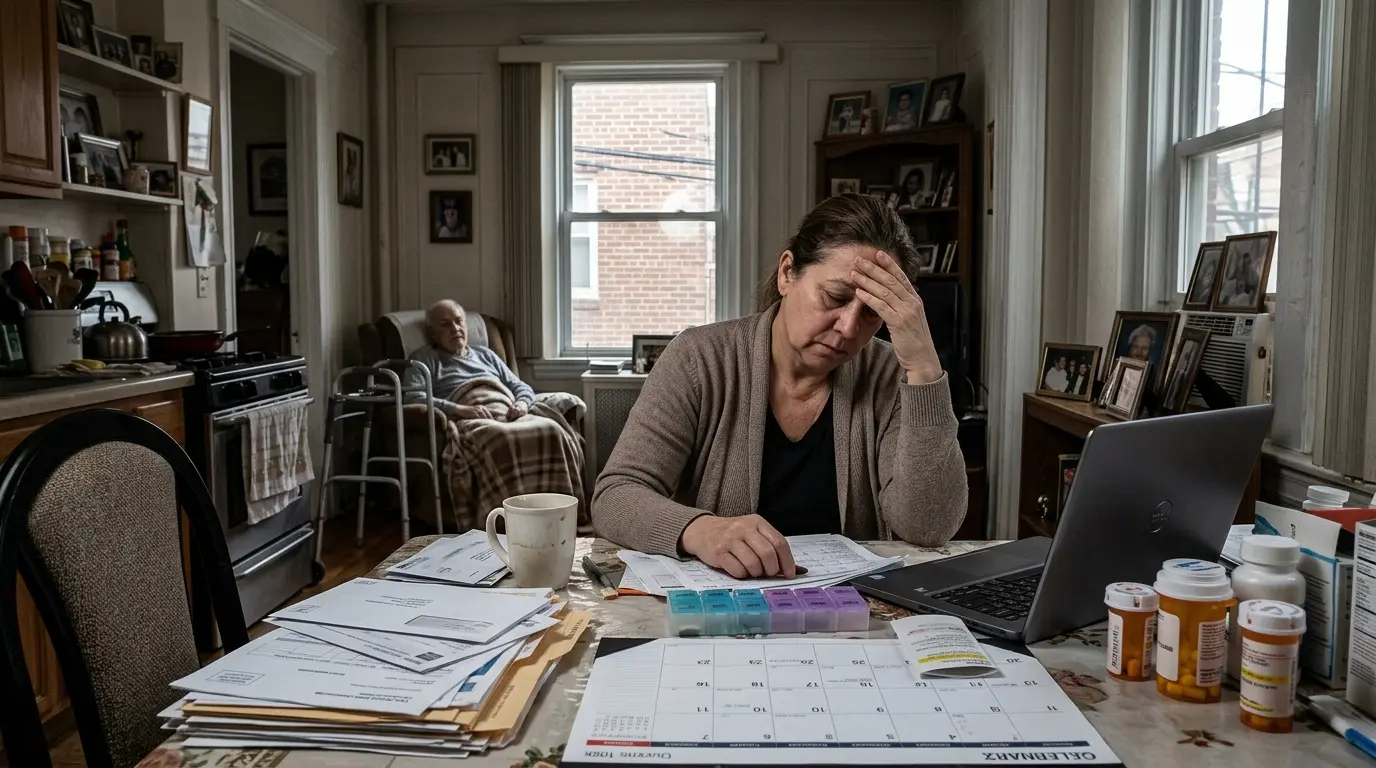
When someone you love faces a serious illness or injury, recovery can feel overwhelming. Doctors may treat the condition in the hospital, but healing often takes much longer. Patients need the right support, careful monitoring, and daily help to regain strength and return to normal life.
Good critical care does more than keep a patient stable. It helps the body heal, lowers the risk of problems, and improves comfort during recovery. When families understand the basics of care, they can make better choices and support their loved ones with confidence.
Why Critical Care Matters
Serious health conditions place a lot of stress on the body. Patients may struggle with breathing, eating, moving, or managing pain. They need close attention and support while they recover.
The right critical care plan helps patients stay safe and comfortable. It also helps doctors and caregivers spot problems early. Quick action can prevent small issues from becoming bigger health concerns.
Understanding Patient Needs
Every patient has different needs during recovery. Some need help walking, while others need support with medications or daily tasks. A care plan should match the patient’s health condition and personal needs.
Caregivers watch for changes in symptoms, energy levels, and overall health. They help patients follow treatment plans and stay on track with recovery goals.
Conditions That Often Need Extra Care
Many health conditions require ongoing support after a hospital stay. Patients may continue to need help even after doctors discharge them.
Common conditions include:
- Stroke recovery
- Heart disease
- Severe infections
- Major surgery recovery
- Lung conditions
- Brain injuries
- Serious accidents
These patients often recover better when they receive regular care and support at home.
The Importance of Daily Monitoring
Daily monitoring plays a big role in patient recovery. Small changes in health can happen quickly. Caregivers who notice these changes early can help prevent complications.
Regular observation also gives families peace of mind. They know someone is paying attention to the patient’s condition and taking action when needed.
Managing Medications Safely
Many patients take several medications during recovery. Missing doses or taking medicine incorrectly can create serious problems.
Caregivers help patients take medications on time and follow doctor instructions. They also watch for side effects and report concerns to healthcare providers.
Watching Recovery Progress
Recovery takes time. Patients often improve little by little each day. Tracking progress helps everyone understand how well the patient is healing.
Caregivers can monitor strength, movement, appetite, and daily activities. These details help doctors make informed decisions about future care.
Nutrition Supports Healing
The body needs healthy food to repair itself. Good nutrition gives patients energy and helps them regain strength after illness or surgery.
Some patients lose their appetite during recovery. Others have special diets because of medical conditions. Caregivers can help prepare meals that support healing and meet health needs.
Healthy Foods for Recovery
Patients need balanced meals that provide important nutrients. Healthy food choices can improve energy levels and support the healing process.
Helpful foods include:
- Lean meats and fish
- Fresh fruits
- Fresh vegetables
- Whole grains
- Low-fat dairy products
- Plenty of water
Simple, nutritious meals can make a big difference during recovery.
Staying Hydrated
Water helps every part of the body work properly. Patients who do not drink enough fluids may feel weak, tired, or dizzy.
Caregivers encourage regular fluid intake throughout the day. They also watch for signs of dehydration and take action when needed.

Movement Helps Patients Heal
Many people spend long periods resting after a serious illness. While rest is important, too much inactivity can slow recovery.
Safe movement helps improve strength, balance, and circulation. Even small amounts of activity can help patients feel better and regain independence.
Before focusing on specific activities, patients should follow guidance from healthcare professionals and move at a pace that feels safe.
Preventing Problems from Inactivity
When patients stay in bed for long periods, they may lose muscle strength. They may also face a higher risk of falls and other health problems.
Caregivers help patients move safely throughout the day. Simple exercises and short walks can improve physical health and boost confidence.
Building Independence
Many patients want to do more for themselves as they recover. Small daily achievements help them feel stronger and more capable.
Activities such as dressing, bathing, and walking around the home can improve confidence. These steps often lead to greater independence over time.
Emotional Support Matters Too
Recovery affects more than physical health. Many patients feel worried, frustrated, or lonely during the healing process.
Family members and caregivers can provide comfort and encouragement. Positive support helps patients stay motivated and focused on recovery.
Before helping patients reconnect with others, it is important to create a calm and supportive environment at home.
Lowering Stress During Recovery
Stress can affect sleep, mood, and overall health. Patients often recover better when they feel calm and supported.
Simple routines, quiet surroundings, and regular communication can reduce stress. A peaceful environment allows patients to focus on healing.
Staying Connected
People need social interaction, especially during difficult times. Recovery can feel lonely when patients spend most of their time at home.
Visits from family members, phone calls, and conversations with caregivers can improve emotional well-being. Staying connected helps patients maintain a positive outlook.
How Home Care Helps Recovery
Many patients continue their recovery at home after leaving the hospital. Home care provides support in a familiar and comfortable setting.
Professional caregivers help with daily tasks, medication reminders, personal care, and mobility support. This assistance helps patients stay safe while working toward recovery goals.
At Precious Pearls Home Health Care, our team provides compassionate care that fits each client’s needs. We help patients recover with dignity, comfort, and personalized support in their own homes.
Get the Support Your Loved One Deserves
Recovering from a serious illness takes time, patience, and the right care. Professional support can make the journey easier for both patients and families.
If your loved one needs help after a hospital stay, surgery, or serious health condition, contact Precious Pearls Home Health Care. Our experienced caregivers provide reliable support that helps patients recover safely and comfortably at home.
FAQs
What is critical care?
Critical care provides close medical support for patients with serious illnesses or injuries that need careful monitoring and treatment.
Why is ICU care important?
ICU care helps stabilize patients during serious health emergencies and gives them the support needed for recovery.
How does critical care improve patient recovery?
Critical care helps manage symptoms, prevent complications, and support healing through close monitoring and specialized care.
Can patients continue recovery at home?
Yes. Many patients recover at home with help from professional caregivers and personalized care services.
Why is home care helpful after hospitalization?
Home care provides daily support, improves comfort, and helps patients recover safely in familiar surroundings