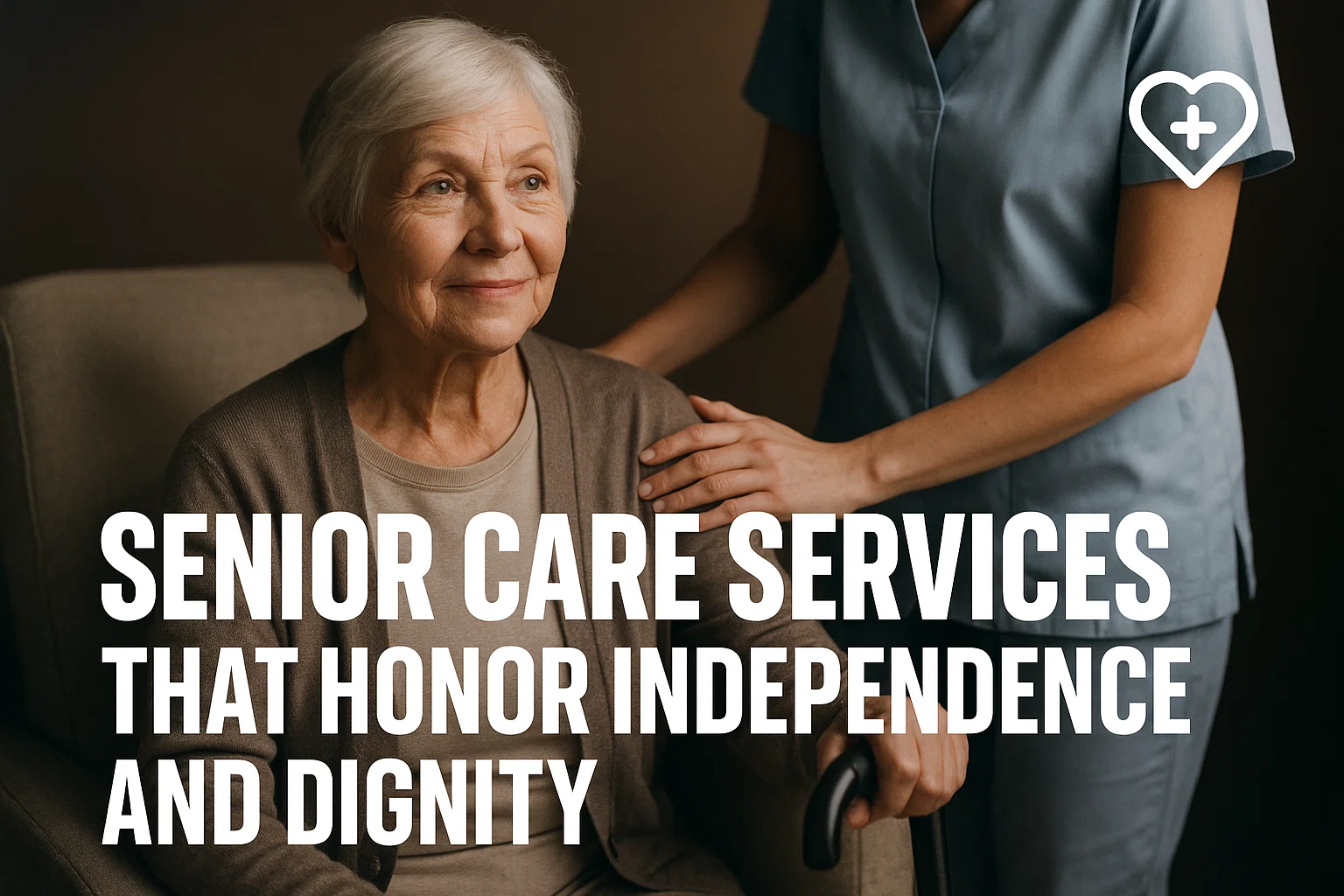
Life stages with increasing age are natural, but are totally different for each elderly person. Some may require a little extra assistance with daily activities, while others need continuous support to be able to take care of themselves and stay safe. Regardless of the situation, there is always one thing that holds: elderly people are the ones who should get a treatment that not only keeps their independence but also is in accordance with their dignity.
Care is often perceived as a loss of freedom, and that is why families are always apprehensive about it. However, it is the right method that can prove this claim wrong. With the provision of care and support, senior citizens can enjoy a more active and confident life, and have more meaningful relationships, all of which will not be at the expense of their control over themselves.
Why Senior Care Should Focus on Independence and Dignity
The main reason for senior care is the provision of respect. Each senior has been through different situations in life, and therefore, they hold different values and preferences. It is only fair that their care should be in line with that of individualism. Independence is the feature that allows older adults to decide and also feel that they are contributing, and dignity is the aspect that ensures that they are respected.
In the absence of independence and dignity, care can be very restricting and, even, frustrating. Nonetheless, when caregivers prompt seniors to be part of their daily routines—such as selecting meals, picking out clothes, or taking care of hobbies—it is a form of empowerment that the seniors experience. These families also see that seniors who are treated with respect become joyful, in a better mood, and are engaged in daily life.
What It Means to Provide Senior Care with Respect
Dignity-honoring senior care is not about doing everything for the elderly person’s service. It is more of a refilling care plan with necessary assistance, accompanied by encouraging support to continue their activity in those areas that are still feasible.
- Practical help with respect: Caregivers, while maintaining the consumer’s dignity, may help in bathing or dressing.
- Choice and control: Even tiny choices, such as deciding the time for breakfast, can empower the elderly.
- Personalized support: Every care plan is unique, shaped around the individual’s habits and values.
This balance ensures seniors don’t feel dependent, but instead feel supported, valued, and respected.
Senior Care That Honors Independence and Dignity
Dignifying independence and human rights is not merely a slogan—it is a constant practice. Indeed, it is at the very core of the most effective elderly care solutions. This part shows how it operates, the reasons for its importance, and the ways both families and caregivers could collaborate to achieve it.
Respecting Choices in Daily Living
Independence has a strong connection with decision-making. It doesn’t matter if it is selecting clothes, planning meals, or deciding on the use of time, these minor decisions have importance. Caregivers are responsible for:
- Offering options, not commands – Rather than deciding for a senior, they disclose the alternatives. For instance, “Would you like tea or juice?”
- Encouraging household participation – Seniors could be engaged through folding laundry, stirring a pot, or watering plants.
- Respecting routines – From the habit of drinking coffee in the morning to going to bed, personal routines are essential to the maintenance of one’s own identity.
In the case of dementia patients, small but organized decisions offer security and do not cause anxiety. A caregiver may select two outfits for the patient instead of showing the whole closet. This simple step not only supports independence but also lowers the level of stress.
Personalized Care That Feels Human
None of the elders are the same in any way. That is why care for the aged should be tailored to the individual. Personalized caregiving not only takes into account the health needs of the person but also the personality and preferences.
For instance:
- The senior person, who used to work in the garden, might continue to water the plants every day, though he has to be helped.
- A music lover might be able to indulge in a soothing playlist that could not only raise his spirits but also lower any anxiety he might have.
- A person who is immensely passionate about silence and solitude may require a quiet corner to sit and reflect.
Secondly, this method also depends on regularity. When care is given by the same group of caregivers for a period, there is a sense of trust. Such a succession of care enables seniors to be safe, respected, and have a feeling of security.
Creating a Supportive Home Environment
Whether or not the house itself can be the source of one’s independence is still a question to be answered. A home that is friendly to individuals with dementia or just a generally senior-friendly home removes the risks and makes daily life easier. Some of the easy changes are:
- Cabinets and drawers that are labeled to help memory function.
- Cleaning up the floor of any potential trip hazard, such as loose rugs.
- Getting the correct lighting for safety and comfort.
- Having familiar things around for security.
When the home care is supportive, seniors can get out, interact, and engage in daily activities. This is a clear representation of the goal of aging in place services i.e. to help the elderly live in their homes safely and happily.
Emotional Support Is Essential
Helping the elderly is not solely a physical assistance. Providing emotional care is of equal importance. Support for the elderly in the comfort of their home involves friendship, encouragement, and understanding. These interactions may be very simple, such as conversation, sharing a laugh, or quietly giving instructions through a confusing situation, but they make seniors feel important.
More often than not, this bond of emotion is the ‘thing that matters most’ over any other task. Seniors who are supported as people i.e., not merely as patients are usually more self-assured and have tranquility of mind.
Benefits of Senior Care That Respects Independence
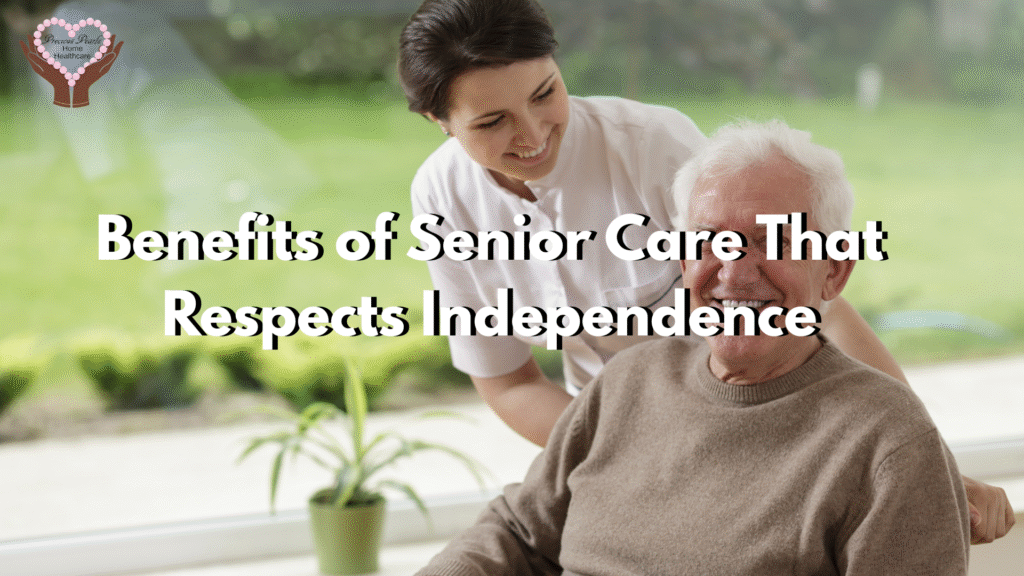
When a family selects senior care that genuinely values independence and treats seniors with respect, the outcomes are often very powerful. It is not only the physical support that counts, but also making older adults feel they are respected, able, and have a rich life. Below are some of the main benefits, which are explained in more detail:
- Greater confidence – A senior is in the best position to decide when he will feel more in charge of his life. Even minor decisions such as what to have for lunch and which pullover to wear enable them to gain self-confidence and, at the same time, experience a feeling of being useful. Instead of being dependent, they consider themselves as those who take part in the daily routine of the family.
- Emotional well-being – Being treated with respect and getting reassurance are the big steps to lowering the level of stress and anxiety. When seniors are listened to and their sentiments are understood, they are less likely to become isolated or angry. This emotional state also facilitates general health, as a peaceful, optimistic attitude may enhance sleep, appetite, and vigor.
- Safety and comfort – A home that is designed to meet the needs of seniors is a place where the risks are minimized, and at the same time, the seniors get a feeling of security. Things like correct lighting, rugs with anti-slip features, or cabinets with easily understandable signs enable the elderly to move around in the house without any comprehensible fear. Such a combination of safety and comfort is what allows they to stay in their old and well-known residence without the constant worry of having an accident.
- Better family relationships – The visits made by the family members are more rewarding when seniors are active and engaged. They can spend time together relaxing, talking, and laughing, which is the opposite of them solely being concentrated on caregiving tasks. As a result, this situation develops deeper relationships and also decreases the chances of the family members’ burnout.
- Improved quality of life – The main aim of independent care is the pleasure and satisfaction of the seniors. Retiring people who keep their daily activities, take up their hobbies, and maintain their social bonds have a more vibrant and fulfilling life. For instance, having a good time with their favorite meals and being with the grandchildren are the pieces that make life meaningful every day.
Strategies for Supporting Independence at Home
Helping seniors to keep their independence doesn’t have to be a major effort all the time. Quite often, it is the small, thoughtful steps that have the greatest impact. Families and caregivers may employ these down-to-earth methods to bring about this change in each day and thus foster the respect and the personal independence:
- Encourage daily participation – Giving seniors a chance to participate in household chores makes them find a utility value in themselves and keeps them away from boredom. Less demanding roles such as folding clothes, stirring a pot of soup, and even table setting can be a good start-off point to establish a feeling of achievement and socialization. Not to forget, such instances also help the elderly to be integral members of their families instead of being on the sidelines watching.
- Use adaptive tools – Products designed for the likes of easy holding utensils for the weak-handed, shower seats, or mobility aids give power to seniors to comfortably do more work on their own. These instruments are carefully crafted to lessen the physical struggle and thus promote the safety of the users so that even under minimal assistance, the elderly can still perform their daily routines.
- Promote movement – Physical activity is extremely important for a person to remain independent. Gentle exercises like walking, stretching, or chair yoga not only oxygenate the body but also improve balance, mobility, and strength. Even a quick walk or a light stretching session done daily can enable seniors to retain their physical capability to move at home safely and confidently.
- Respect communication styles – The way every senior speaks is different. Some may talk at a very slow pace, repeat their thoughts, or find it difficult to get their words out. Caregivers should adopt the approach of being patient, really listening, and conversing at a pace comfortable for the senior. This type of communication, which is respectfu,l shows seniors that their voice is important and also encourages them to stay active.
- Maintain social connections – Isolation can not only make seniors feel dependent but also cause withdrawal. Regular phone calls, video chats, visits with friends, or participation in community activities are some ways for them to keep their contacts. These social connections provide the elderly with emotional support and the feeling of being part of something.
By bringing together these strategies with professional retirement care services, families can easily create a supportive environment that is both practical and empowering. The purpose is not to take over the job of the seniors but to extend the right amount of help while allowing them to continue living with dignity and independence.
FAQs
Why is independence in senior care necessary?
Independence to seniors gives them a reason to live, lets them have control over their lives, and keeps them from falling into the trap of loneliness and isolation.
How can caregivers make a Senior feel good about himself while delivering personal care?
By maintaining the privacy of the senior, allowing him to make a choice for himself, and being patient and gentle with them.
What are the services that make aging in place possible?
They are services that enable elderly people to stay and live safely in their homes without having to move to a healthcare institution.
Is it possible for a senior person with dementia to stay independent?
Definitely so, with the help of routine and safe surroundings, dementia patients can get the most out of their independence.
How important is emotional support to senior care?
The emotional support makes the seniors feel less lonely and gives them strength and courage to go on.
Conclusion
Senior care is no doubt part of the whole person support system, however, it is not limited to daily assistance only. Older adults need care that not only aids in bathing, dressing, or meal preparation but also maintains their independence and sense of dignity. When seniors are given the capacity to make choices, be involved in the routines, and carry on with the things that they love, they become the subjects of value and respect.
Care, which is based on the principle of respect and love, becomes a factor in the safe, comfortable, and empowering feelings of the senior people. It also makes the families relax and be at peace with themselves as they are sure their loved ones are cared for in a way that reflects their nature and life story. In fact, with the right combination of physical help, emotional support, and personalized care, seniors will not only be able to live but will live with confidence and purpose regardless of their age or health problems.
At Precious Pearl Home Care, our priority is always the care that raises, empowers, and respects the patient. We are a team who believes in the necessity of seniors undergoing the smooth transition to old age with dignity and grace.
To learn more about our services and how we can help your loved one thrive, visit Precious Pearl Home Care.