Home care for elderly parents is one of the most satisfying things ever done by numerous families. It is a means of repaying love, time and comfort to the human beings who brought us up. It may also prove to be a body and soul draining, especially when it comes to the compounding of daily responsibilities.
This is why there must be safe and kind senior in-home care. It assists families in ensuring that the people they love receive good care at a very familiar and comfortable place at home. This guide will take you through all the information that you need to know, whether you are a primary caregiver, associated with finding trustworthy home help caregivers, or are seeking jobs as a caregiver.
Why In-Home Senior Support Matters
As elderly parents begin to require more assistance, most families have a tough choice: Should they move into assisted living, or stay home with the right support system?
This is why increased numbers of families have opted not to put their seniors in homes:
- Home and comfort: Elderly people have the opportunity to remain in their areas, with some memories and their own personal possessions.
- Emotional health: Both of them will have less stress, loneliness, and confusion, particularly when they are at home and have memory difficulties.
- Customized care: Intermediate caregivers provide the kind of care that fits an individual’s schedule, preferences, and health requirements.
- Family engagement: Family members identify with the care more easily since they are able to visit and follow up on care and are also able to take part in decision-making.
At-home care improves living standards- not only for elderly people but for the entire family.
What Safe and Compassionate Care Really Means
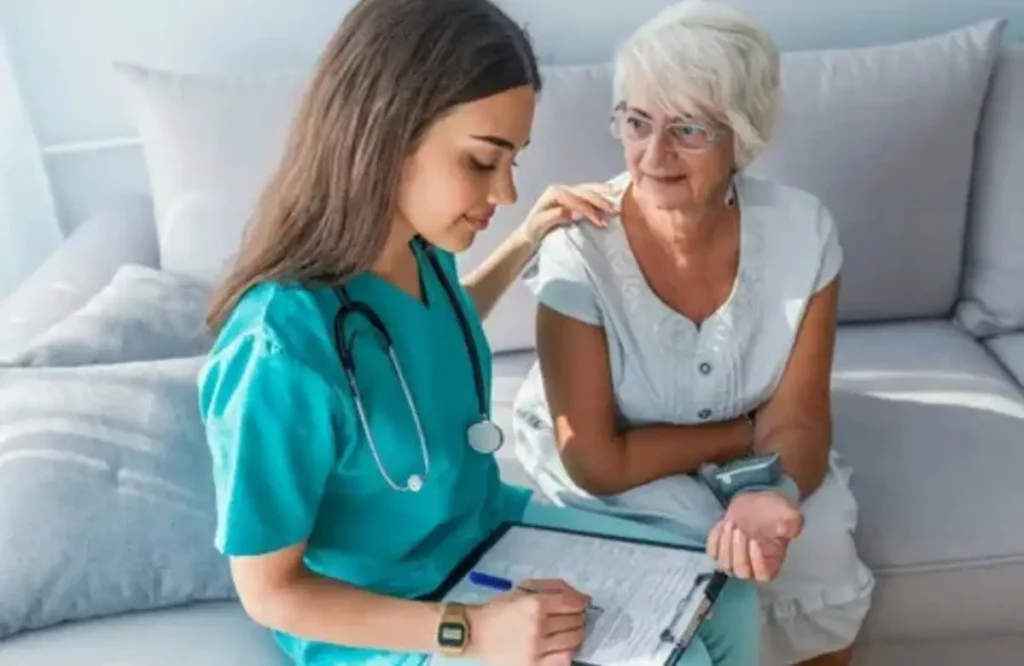
Safe and compassionate is not a pleasant phrase; it is the essence of care for elderly parents. It implies that it should ensure that they are safe physically as well as support their emotional and psychological needs.
Let’s explore what it looks like in real life.
1. Safety at Home Comes First
The house must be an area of comfort and not hazards. The caregivers’ home health providers usually begin with surveying the environment in order to minimize the risks of falls or accidents.
Simple steps can make a big difference:
- Remove rugs or clutter from walking paths.
- Place grab bars in the bathroom
- Add motion lights for nighttime movement
- Store the necessary things in an easy location
Safety is also a good aspect of medication management and meal preparation. Seniors do forget doses or even pass on meals alone. In-home caregivers have been trained to make sure that medication is taken at the right time and that meals are healthy and balanced.
2. Compassionate Care Builds Trust
Compassion turns caregiving into companionship. When elderly people feel honored and listened to, they will also remain more positive and cooperative. An empathetic caregiver is a good listener who talks to the patients in a friendly manner and never hurries to get things done.
Take the case of Mrs.Khan, who is a retired teacher and loves morning tea. Her caregiver makes her favorite cup in the exact manner the woman wants it and spends 10 minutes discussing the newspaper. Such a tiny action creates relationships and emotional reassurance.
3. The Role of the Primary Care Giver
A primary caregiver (family member most of the time) plays the role of liaising between professional carers and the other family members. They monitor health appointments, nutrition, and news of health by nurses or physicians.
Nevertheless, it is not always that easy to be the major caregiver. Burnout can happen. It is then that the help-at-home caregivers come in to assist in the burden. Daily tasks such as bathing, dressing, cleaning a little and companionship are assisted by professional caregivers to give the family caregivers time to rest and pay a bit.
4. Balanced Home Health Care Approach
Home health services provided by caregivers may be a combination of two aspects:
- Personal care: Physical assistance, e.g. Bathing, walking or grooming.
- Health assistance: Medication reminders, checkups or new physical therapy.
Others go even further to offer a so-called caring-for-you-nurse model, where trained nurses come to homes to care for wounds, administer injections, or check after surgery.
5. Getting Paid for Taking Care of an Elderly Parent
Not all people are aware that they may receive some financial assistance when taking care of their parents. Government or private programs might assist family caregivers get paid to care of elderly parent depending on the area where they are residing.
Such programs appreciate the time, energy and love that are given by family caregivers on an everyday basis. It is also worth finding out through local caregiving agencies or home care programs if one can be eligible.
In-Depth: How Safe and Compassionate In-Home Care Transforms Families
Home care is not only dependent on meeting the medical needs but also about making the lives of all parties better.
Empowering Seniors to Stay Independent
For elderly parents, losing independence is one of their biggest fears. The in-home support can be provided in a safe manner to enable them to sustain such independence. They feel supported as opposed to having been taken care of. The caregivers help when it is necessary, such as cooking, walking, taking medicine, etc., and leave the seniors to live their daily lives.
An example is that of having Mr. Peter, a retired engineer, who continues to love taking care of his garden. He maintains his hobby of choice, though a carer is involved in foreman duties, such as using heavy tools and testing his balance. It is not only physical care, but also emotional well-being.
Reducing Family Stress
Children tend to be concerned with safety when their parents begin requiring assistance. The work-life balance can be compromised by constant phone calls, play-musical-chairs type of visits or rushed hospital trips. Hiring help at home caregivers relieves that emotional burden. Families have the comfort of knowing that they have someone to be in charge at all times or during the most important hours.
Personalized Care Plans
No two seniors are alike. What one has to be content with is that of companionship and light-hearted duties; what another may need is that of dementia-related, specific memory care. Reputable home health agencies build custom care plans after assessing medical history and lifestyle preferences.
For example:
- Basic Care: Proactive seniors who require little assistance (meal, shopping, laundry).
- Intermediate Care: Mobility Support and Medication Reminders.
- Advanced Care: Includes chronic illness services and the corresponding nursing visits.
This is because of its flexibility, which gives your loved one the appropriate level of care at the appropriate time.
Maintaining Dignity and Connection
Aging can be emotionally tough. Most elderly citizens get the feeling that they are a burden. Caring individuals pay attention to the role of dignity by doing simple but important things, such as enabling the aged to dress themselves, finding out what the person wants to eat or even consulting them about minor life choices.
Human connection is powerful medicine. Common sense and humor together walk into the garden, or memories of the past photos make the seniors feel accepted and noticed.
Training and Skill in Caregiving
The difference between professional training and otherwise. The employment of a caregiver requires compassion and skills nowadays. The faithful caregivers will be trained accordingly on first aid, how to assist mobility and communication with families.
They also share cultural or religious tastes, such as assisting the elderly in attending prayers, following dietary needs, or maintaining traditions.
Technology Meets Care
This is because modern home health care is a combination of technology and heart. The use of Apps has enabled the family members to monitor the logs of the caregivers, their appointment reminders, as well as their daily mood. This openness creates confidence and allows the families to keep in touch even when they are away.
It’s caregiving made safer, smarter, and more compassionate.
Benefits of Choosing In-Home Senior Support
Senior care that is based at home has numerous benefits for both the elderly and their families.
- Familiarity and tranquility: Seniors live in a space they know and love.
- One-to-one attention: With trust and improved outcomes that are created through personalized care.
- Flexible scheduling: Choose hourly, daily, or live-in services based on needs.
- Promotes independence: Encourages seniors to stay active and confident.
- Harmony in the family: Lessens the burden of guilt and the stress of family caregiving.
- Combination: It is less expensive to maintain compared to full-time homes and assisted living homes.
Tips for Caring for Elderly Parents at Home
The following are some of the practical solutions for ensuring that the process of caregiving is made easier and safer.
- Establish routines: Routines would allow smooth sailing and predictability.
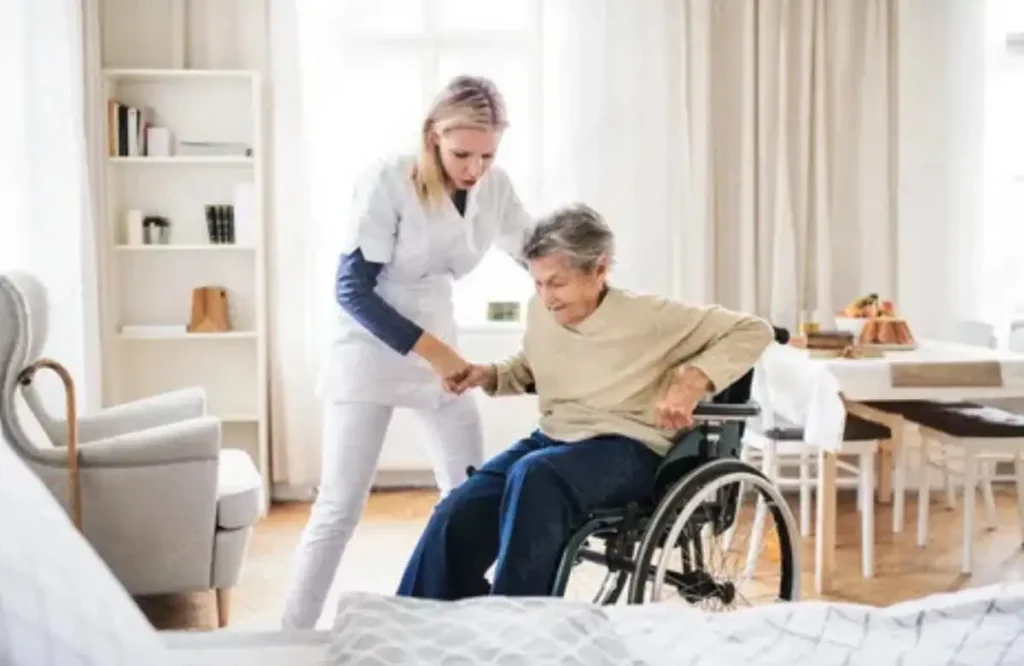
- Emphasize safety: Handrails, anti-slip mats, and light should be used.
- Promote activity: Low-intensity physical activities such as stretching or taking short walks enhance mobility.
- Be socially connected: Promote visitors, video calls or groups of hobbies.
- Get professional advice: Enlist the services of caregivers and home health professionals.
- Take care of yourself also: A caring caregiver gives effective care. Do not be afraid to put up or enquire for reinforcements.
Conclusion
Caring for elderly parents at home is both a gift and a responsibility. With safe and compassionate in-home senior support, families can ensure their loved ones receive the dignity, comfort, and personalized care they deserve, without leaving the place they call home.
If you’re exploring reliable, caring, and professional home health services, compassionate caregivers are just a call away. To explore more, visit Precious Pearls Home Health Care.
FAQs
What do help at home caregivers do?
The help at home caregivers lend support to the seniors to perform daily activities like bathing, dressing, cooking, cleaning, and companionship, as well as a secure home.
Can I get paid for taking care of my elderly parent?
Family caregivers can also be paid with the help of governmental support or care programs in numerous domains. Local health department or insurance provider details may be found.
What are caregivers’ home health services?
Home health services by caregivers consist of both medical and personal care at home, which includes nursing services, physical therapy, and assistance with daily living services.
How do I find reliable caregiver jobs?
You may apply either by using licensed home health agencies or senior care platforms to connect certified professionals with local families in need of care.
What’s the role of the primary caregiver?
The primary caregiver is often a family member who coordinates appointments, manages medications, and ensures all care needs are met.
What does compassionate care mean?
It means treating seniors with kindness, respect, and empathy, focusing on their emotional needs along with physical health.