
Imagine the following: Your grandma falls in the kitchen, cuts her leg, and now you are watching blood with your heart racing. Panic sets in. What now? Or that gardening stab which is so literate, and overnight turns red and mad. Sound familiar? Seniors are struck down by wounds that take a long time to heal, with terrifying infections. Here is, however, the good news: To be a master of wound care at home, you need not be a nurse.
I have experienced it with my own grandma, having a basic home health wound care plan made ER nightmares home win breezes. This tutorial provides you with the precise playbook: Find problems quickly, clean up, fix, score—no more freak-outs. Let us make your loved ones safe, comfortable, and hospital-free. Dive in now!
Why Wound Care at Home Matters for Seniors
The elderly have special issues regarding wounds. Their skin gets thin, blood circulation decreases, and the recovery is slow, requiring weeks and not days. Home wound care is not only convenient but also necessary. The lack of it may lead to minor scratches becoming infected, resulting in hospitalizations and other complications.
Consider it: According to CDC statistics, more than 2 million seniors have to cope with chronic wounds every year in the USA. Home care reduces those risks by ensuring that tasks are completed and checked daily. It is also cost-effective, with no additional cost for minor items. It also allows older adults to maintain their usual routines, improving their mood and accelerating recovery. You already have an advantage if you are combining home health care and wound care.
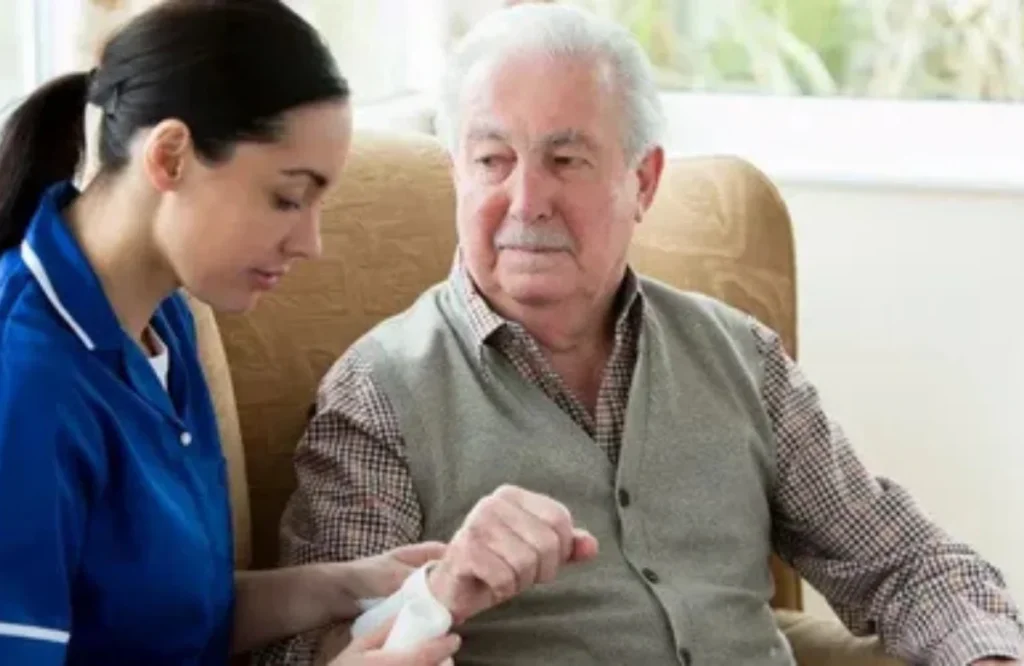
What Counts as a Wound Needing Home Care?
Not all injuries require a physician, though it helps to understand what should be done for an otherwise home wound. We are discussing surgical complications such as cuts, punctures, burns, and even surgery. A pierced wound, such as one caused by a rusty nail or thorn, is deceptive: it is deep yet small, and germs thrive in such spots.
Everyday examples? A nick in the kitchen as he was chopping some veggies, a blister in the new shoes, or a surgical cut in the hips. Even sitting sores are nothing to laugh about. The first step in wound care is identifying these early signs. Bad smells, reddish, swollen, pus? Time to act. This part prepares you to be familiar with the times when your best friend is home health wound care.
Your Step-by-Step Guide to Wound Care at Home for Seniors
So here is the bottom line, the main one, the question of how to treat a wound at home like a professional. It is a comprehensive manual on home health wound care that covers all aspects of identifying issues that affect daily living. I will guide you through real-life situations; it is not theory, but something that can be applied in our day-to-day lives. Pursue mild, hygienic habits to avoid infections, which strike 1 in 4 elderly with wounds, wound care experts assert.
Spotting and Assessing the Wound First
Start here every time. The world does not end in 20 seconds, and so do not wash your hands in haste. Wear a pair of gloves (a disposable pair from the drugstore is ideal).
Look closely: Shall it be a shallow scrape, or a puncture wound? Take its measurements: length, width, depth. Note color: Pink and clean? Good. Edges yellow/green gunk? / black? Take the senior’s temperature and check for heat, swelling, or fever/chills. Jot takes notes on trends in a phone app or a notebook.
Examples: Uncle punctured himself stepping over a stake in the garden. It was tiny but oozing. We evaluated: 1/4 -in deep, red edges. No fever; home care initiated.
How to Clean a Wound Properly
The main aspect of cleaning a wound is cleaning. The American Academy of Dermatology estimates that contaminated wounds account for 80% of infections. Do this daily or as needed.
Flush it under cold water: Tap water or saline (purchase packets in Walmart). None of the hydrogen peroxide is cruel to the healing tissue now. Spray to loosen debris with a fine stream of water (5 minutes).
In deeper wounds, care is required when cleaning. When it is more than 1/4 inch deep or wide, do not poke. Wet in warm, soapy water for 10 -15 minutes, then wipe dry. Saline should be irrigated by a syringe (without a needle).
Real talk: Grandma, you got a deep cut in a rose bush. We wet it in a basin, sprayed it out, and it cleared up quickly; no stitches were required.
Take off the sterile gauze; do not rub. Anger alcohol; it burns and slows healing.
Dressings: The Right Cover for Healing
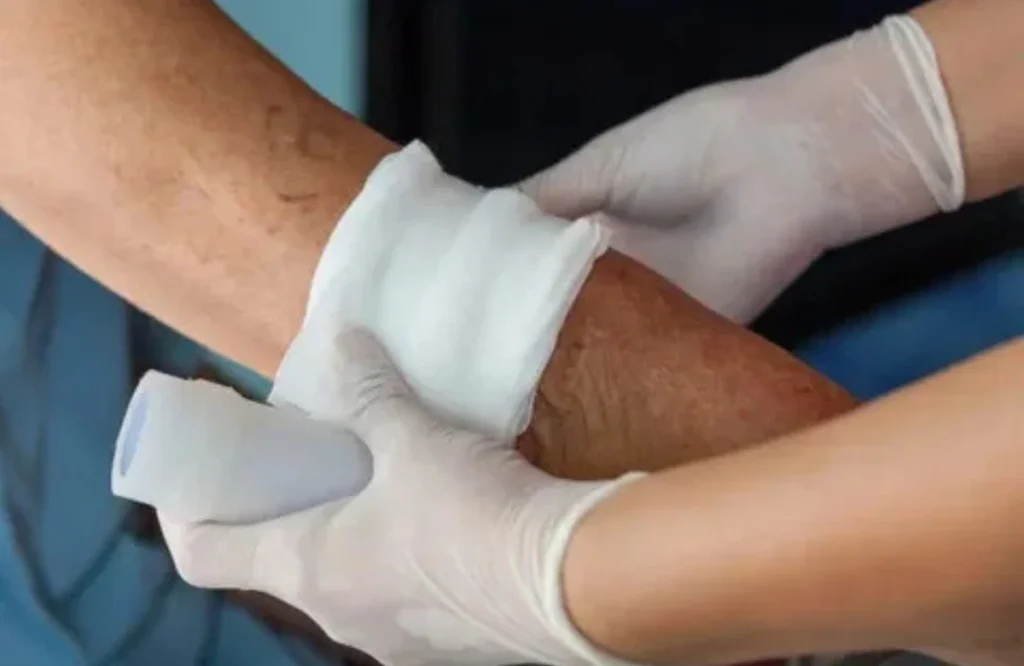
Dressings are used in home health care wound care. They protect, absorb, and keep moist, dry wounds heal 50% slower.
Hydrocolloid with shallow cuts: Gel-forming pads (such as DuoDERM) are sticky. Great for blisters.
- Foam, moderate: Take in ooze, such as Allevyn.
- Gauze for a puncture wound: Loosely packed deep wounds, taped.
- Antibiotics? The doctor said that only when he overprescribes does he breed superbugs.
- Change daily or when wet. Seniors with diabetes? Monitor the blood sugar levels first; elevated glucose levels retard healing.
Case study: After knee surgery, we applied foam dressings to my aunt. Altered after every 2 days, and it healed within three weeks.
Handling Special Wounds Like Punctures and Deep Cuts
Puncture wounds are problematic; the risk of tetanus is high. Get a booster if you are over 10 years old. Deep clean for, watch for red streaks up as an indication of spreading infection.
How to clean a deep wound at home: Never dig out with the tweezers. Irrigate, dress, elevate. If it’s from an animal bite? Straight to ER, rabies check.
Sustaining wounds such as leg ulcers? Compression wraps improve circulation. Always send a nurse on a loop over them.
Daily Routine and Monitoring in Wound Care Home
Change wound care into a practice. Breakfast of the day, bathing/dressing. Night view. Raise your legs to reduce swelling. The issue of nutrition: Protein (eggs, chicken), vitamin C (oranges), zinc (nuts). Hydrate, 2-3 liters of water daily.
Be on the lookout for warning signs: rising pain, foul odor, fever above 100.4 °C, or no improvement in 3 days. Then, doc time.
The following tools will be useful: Digital thermometer, wound measuring cards, and adhesive remover wipes. Keep on hand: Saline, gloves, tapes, dressing, less than $50 at CVS.
We’ve helped neighbors with post-fall home health wound care. One guy’s shin gash: Cleaned daily, protein shakes added, healed without scars. Patience pays; seniors heal more slowly, but consistency wins.
Red flags table for quick reference:
| Sign | What It Means | Action |
| Red streaks | Infection spreading | ER now |
| Pus/drainage | Possible abscess | Doctor visit |
| No healing in 7 days | Chronic issue | Wound clinic |
| Numbness | Nerve/circulation problem | Urgent care |
This routine covers wound care fully. With practice, you’ll spot issues early, keeping seniors comfy and infection-free.
Top Tips for Successful Home Health Wound Care
Want faster healing? This is due to the following practical tips, which make home health wound care easier and more effective. I have dragged them off actual caregiver victories.
- Dry the area with air to clear off the damp scabs.
- Apply nonstick pads to prevent skin from dragging.
- Raise the wounds above the heart for 30 minutes, 3 times per day.
- Include wound-healing foods: Yogurt, which contains probiotics, and fish, which contain omega-3s.
- It is easy to track progress using photos and apps such as Healere.
Pro strategy: Collaborate with pros. Mobile nurses are called in for complex puncture wounds.
Benefits of Mastering Wound Care at Home for Seniors
Learning to care for wounds at home offers more than just healing benefits. Here’s why it’s a game-changer for seniors and families:
- Makes your family stronger: Take ownership of your health, avoid frequent doctor visits, and build confidence in home wound care.
- Significantly reduces costs: Home kits cost a few pennies compared with $500+ ER visits for minor cases.
- Increases seniors’ autonomy: Allows them to remain at home with a sense of familiarity, reducing hospital pressures.
- Heals faster: Research indicates that family-controlled wounds can heal 20-30% in one day.
- Cuts are beneficial, make life better: With less to worry about, people sleep better, are happier, and have better family relationships.
Conclusion:
There you have it: Your full toolkit for at-home wound care and in-home health care. From assessment to dressing, covering how to clean a wound or a puncture wound, and smart tips, you’re set to keep seniors safe and healing well. Consistency and watchfulness make the magic happen.
Ready to level up? Visit Precious Pearls Home Health Care for expert home health wound care services, free assessments, and supplies tailored for seniors.
FAQs
What’s the first step in wound care at home?
Always start by washing your hands thoroughly with soap for 20 seconds. Then rinse the wound gently with saline solution, assess its size, color, and depth, and pat it dry with clean gauze to avoid infection.
How do I clean a deep wound safely?
Clean the wound using saline in a syringe, flooding the wound with the solution. First, in warm, soapy water (if necessary), leave for 10 minutes. Seek medical attention immediately when the depth is more than 1/2-inch or when unstoppable bleeding is experienced.
When should I worry about a puncture wound?
Look out for warning symptoms such as red streaks along the limb, a fever above 100.4°F, purulent sputum, or pain. These are the signs of infection spreading. Hurry to the urgent care or ER to avoid severe complications.
Can I use hydrogen peroxide for wounds?
No, do not add hydrogen peroxide; it kills healthy cells and retards healing. Rather, use only water or saline solution to learn about how to clean a wound, or how to care for a wound at home to recover faster.
How often should dressings be changed in home health wound care?
Change the dressing daily, or sooner if it is moist, dirty, or loose. This prevents the area from becoming dirty, dry, and vulnerable to bacteria during the home health wound care procedures.
What foods help senior wound healing?
Load up on protein-rich foods like chicken, eggs, or beans to build new tissue. Add vitamin C from oranges and strawberries, plus zinc from nuts. Drink plenty of water to speed wound care at home.