As a person grows older, it is both exciting and troubling to see a loved one. You have long been used to the radiant smiles of them illuminating rooms, and now you find yourself being reminded how quickly time passes by with its weakened legs and weary eyes. This guide takes you through the process of caring about the elderly– both the day-to-day care and the identification of the decline, up to the end-of-life issues. It comes to get you prepared, to get you not frightened.
It is not just a son/daughter difference, whether you know these stages and can arrange your visit/work schedule or you know these stages and will plan. We will discuss what to look out for, how to comfort and care, and hard conversations at the end of life. Let’s dive in together.
What Are the Needs of Elderly Loved Ones?
The needs of the old change with age. It is not only about food or drugs, but also about keeping their spirits alive as well. More than 50 million seniors in the US reside at home or in care spots, having to cope with sore joints on lonely days.
Physical and Safety Needs
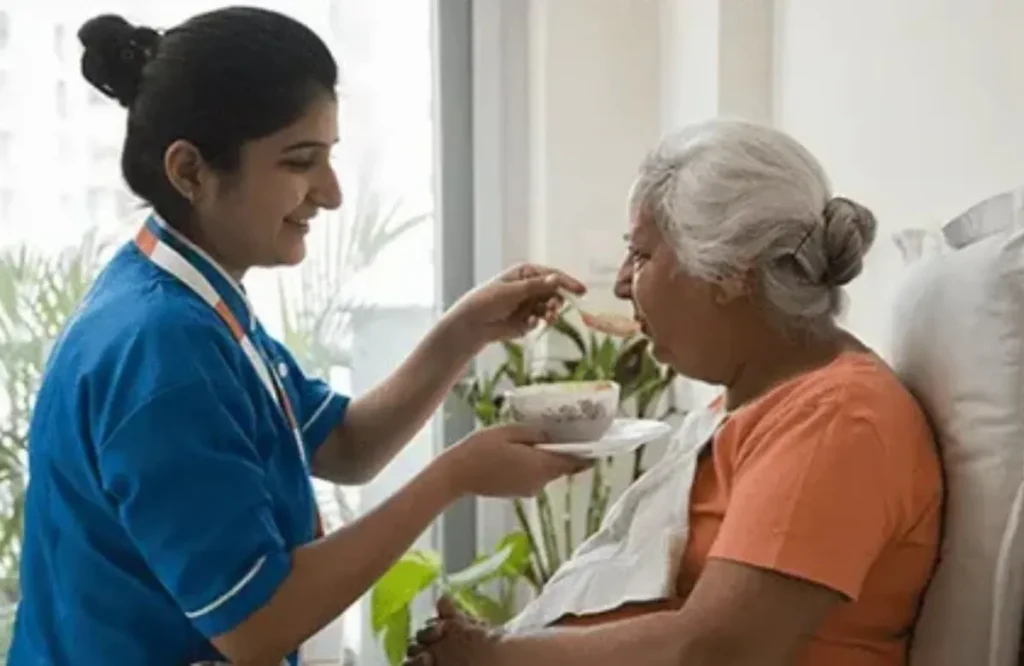
Think of your grandma. She may require assistance in bathing, but she also desires conversation and embraces. The first of the basic needs is safe houses: Installing grab bars in the bathroom reduces the chances of falls by 50%, according to the CDC statistics. Food is important as well, tender food to chew, as well as vegetables to combat heart problems common in the elderly. Mobility aids such as walkers ensure that they remain independent.
Emotional Support Essentials
Emotional needs? The loneliness strikes home; frequent calls or visits reduce the chances of depression. Such programs as Meals on Wheels provide hot food and check-ins in America, easing family burdens.
Health Checks and Fun
Health checks catch issues early. Blood pressure monitors at home spot problems before ER trips. And don’t forget fun, puzzles or garden walks keep minds sharp against dementia fog. Meeting these needs builds trust. It turns “I can’t” into “I got this, with your help.” Families who plan sleep better at night.
What Does Decline Look Like in Seniors?
Decline sneaks up, but signs scream for attention
Physical slips: Difficulty in standing or falls. The loss of weight or missing meals is an indication of a greater problem.
Alterations of sleep: excess or deficiency. Pain is a silent grumble or grimace, or moan. These increase in the end-of-life phases.
Mental Change, Cognitive Change
Mental shifts hurt too. The forgetfulness leads to confusion, a mix of days or people to whom one is fond. The Alzheimer association indicates that 6 million seniors in the US are currently fighting this currently.
Social and Behavioral Clues
Social pullback is key. Your chatty uncle goes quiet? Isolation feeds decline. US statistics indicate that 1 out of 3 elderly people is alone, accelerating health decline. Patterns of tracks using basic journals. Note moods, eats, and moves. Share with docs for tweaks. Spots will come early, reduce the speed and increase the good days.
Understanding Needs, Decline, and End-of-Life Care in Depth
It is all about the big picture of caring about the elderly: The daily needs, the recognition of decline, and the gentle end-of-life measures. It is an experience that most families have to deal with- approximately 70% of US seniors require long-term care, according to AARP. We are going to take it to pieces, with true-life stories and tips, so that it becomes real to you.
Everyday Needs: ADLs, Nutrition, and Safety
Start with needs. The elderly usually require assistance with ADLs, or activities of daily living, such as dressing or toileting. Thinking of Aunt Sue, who is 82 with arthritis. Shirts are painful to button, and adaptive clothes with Velcro do so. Medicare in the US is used to cover a part of the home aids, but families are used to fill the gaps. Nutrition requirements change; high-calcium yogurt prevents bone loss, and hydration prevents UTIs that elderly people are likely to experience. Safety ranks high. 20,000 seniors fall each year because of their homes with rugs (CDC). Install emergency buttons, clear paths and install lights. Emotional needs? Connection overcomes loneliness. The spirits are elevated by weekly video calls or pet visits, which reduce blood pressure by 10 points, according to studies.
Stages of Decline in Seniors
Now, decline. It creeps in stages.
Early: slower walks, minor forgets.
Middle: confusion, incontinence.
Late: bedbound, little talk.
Elderly end-of-life signs include shallow breaths, cool skin, and less eating. Eyes glaze; they sleep more.
One family shared: Dad’s hands swelled, urine darkened, and he was shutting down.
The Final Stages of Life
End-of-life hits hardest. The final stages of life last weeks to months. Bodies weaken; organs slow. Hospice data shows 90% of dying folks choose home if possible.
Here, end-of-life care nursing shines; nurses manage pain, not cure.
What Does Comfort Care Mean?
But what’s comfort care? Many ask, what does comfort care mean for someone at the end of life? Comfort care, or palliative care, focuses on ease, not fixes. No more chemo or tubes if they don’t help. Instead, soft beds, pain meds, and family time. Meaning of comfort care? It’s wrapping your loved one in peace, morphine for breaths, mouth swabs for dry lips, and massages for aches.
Real Stories of Comfort Care
Picture this: Grandpa Joe, 94, in his end-of-life stage. Tests showed no more options. The family picked comfort care. Nurses visited daily, adjusting meds so he smiled through pain. Music played his favorites; grandkids held hands. He passed calmly, not fighting machines. That’s care and comfort, dignity till the end. End-of-life care nursing trains pros for this. They spot elderly end-of-life signs like mottled skin (purple patches on legs) or the death rattle, wet breathing from saliva buildup.
Families learn too: Elevate heads for breath ease, ice chips for thirst.
Tips, Challenges, and Next Steps
Decline to end links tightly. Untreated pain speeds decline; early comfort care slows it. US hospice enrollment jumped 10% last year. Folks want quality hours. Challenges? Guilt whispers, “Am I quitting?” No, comfort care follows docs’ calls when cures fail. Legal docs like POLST forms guide US choices, honoring wishes. Examples, in Florida homes, nurses use fans for hot flashes in the final stages.
Midwest families share stories online: “Mom ate ice cream till the end, pure joy.”
Tools help: Hospice kits with lotions, fans, swabs.
For decline watch: Weigh weekly, note urine color (dark means dehydration), track sleep. Decline checklists from NIH flag risks. End-of-life talks start early. Mom, what makes you comfy? Open chats build plans. In America, 80% regret not talking sooner (per surveys). This phase teaches grace. Families grow closer, finding strength in care and comfort. It’s not giving up, it’s giving peace.
Key Tips for Spotting Decline and Providing Care
Spotting trouble early changes everything. Here are practical tips:
- Watch daily changes: Note eats, poops, moods. Apps like CaringBridge track it easily.
- Check skin and breath: Cool limbs or rattles signal the final stages of life.
- Ease pain quickly: Over-the-counter medications like acetaminophen first; call a nurse for more.
- Keep comfy: Soft pillows, favorite blankets for care and comfort.
- Involve family: Rotate visits so no one burns out.
For end-of-life care nursing at home:
- Train on basics: How to reposition to prevent sores.
- Use hospice resources, free in most US states.
- Spiritual care: Chaplains or prayers if faith matters.
Benefits of Choosing Comfort Care
Switching to comfort care brings real wins. Pain drops 70% (hospice studies). Families bond deeper, no hospital dashes. Costs? Hospice caps at $10K/month via Medicare, often less than aggressive care.
- More home time: 60% die at home vs. hospital chaos.
- Emotional lift: Less, what ifs(Internal Family Systems) for survivors.
- Dignity preserved: Choices honored, like no ventilators.
Strategies work too:
- Prep docs: Living wills spell wishes.
- Build teams: Nurse, social worker, you.
- Self-care: Walks or coffee breaks keep you strong.
Conclusion
Caring for the elderly, from needs to decline to end-of-life, takes heart and know-how. You’ve got tools now: spot signs, give care and comfort, and embrace comfort care for those final stages. It honors their life with peace.
Ready for more support? Visit Precious Pearls Home Care today to connect with experts who make every stage easier.
FAQs
What does comfort care mean?
Comfort care focuses on providing relief and quality of life for individuals at the end of their lives. No aggressive treatments, just pain control, peace, and love.
What is the meaning of comfort care in elderly care?
It’s easing suffering in the final stages of life, with meds, cuddles, and calm surroundings. Think hospital-free dignity.
What are the elderly end-of-life signs?
Look for sleeping more, cool skin, little appetite, shallow breaths, or confusion. These show the end-of-life stage nears.
What happens in end-of-life care nursing?
Nurses manage symptoms, teach families, and provide 24/7 support. They handle pain and care, and comfort expertly.
How do I know it’s time for comfort care?
When treatments don’t help, and quality fades, docs guide the shift. Families feel peace choosing it.
What are the final stages of life like?
Bodies slow: less eating, bed rest, and visions sometimes. It’s natural, with comfort care making it gentle.